
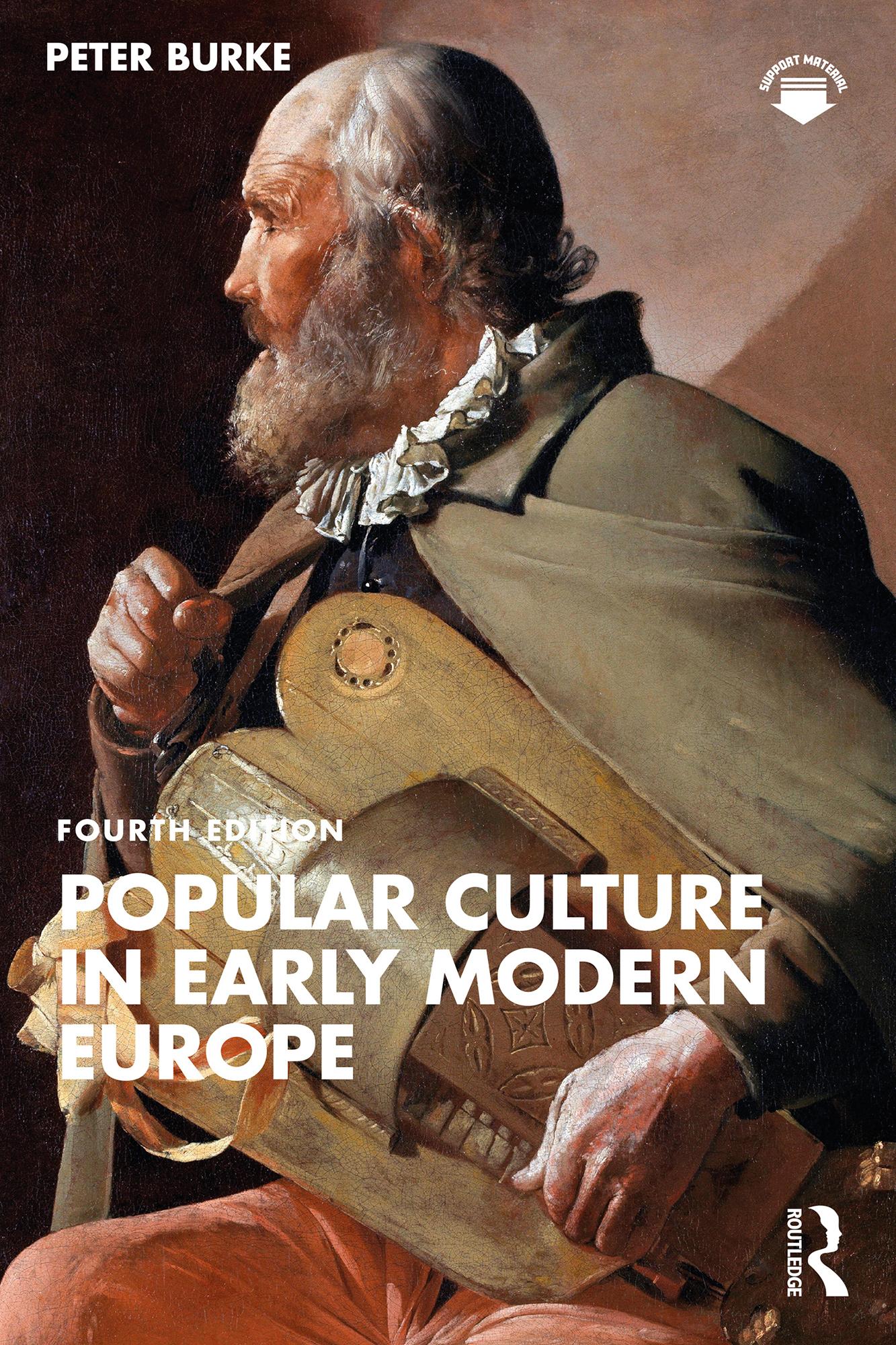
Cultural history has in the last few decades come to the fore of historical research into early modern Europe. Due in no small part to Peter Burke’s pioneering work, the tools of the cultural historian are now routinely applied to every aspect of history, transforming our understanding of the past.
First published in 1978, this study examines the broad sweep of pre-industrial Europe's popular culture. From the world of the professional entertainer to the songs, stories, rituals and plays of ordinary people, it shows how attitudes and values shaped – and were shaped by – the shifting social, religious, and political conditions of European society between 1500 and 1800. This fourth edition has been updated throughout with more information on the unconventional/non-academic scientific culture of women, Jewish popular culture, the culture of children and youth, and the culture of captives in the Mediterranean. It also includes a new introduction and afterword exploring and responding to the problem of the “popular”, the notion of “culture”, the rise and fall of “the early modern”, and Europe as a category in the face of global interconnections.
Popular Culture in Early Modern Europe is essential reading for all students of early modern Europe and cultural history.
Betal enkelt med kort, Klarna, Apple Pay eller Google Pay. Ikke fornøyd? Du har alltid 14 dagers angrerett. Les mer i våre vilkår. Har du spørsmål, send oss en e-post på hello@memmo.org.
Memmo gjør det enklere å studere – uansett hvor du er i verden. Hos oss samler du pensumbøker og smarte studieverktøy på ett og samme sted: sammendrag, quizer, podkaster og flashcards. Og så Ted, din studiekompis som svarer på alt du lurer på. Over 50 000 studenter studerer allerede her – bygget for at du skal lære raskere og stresse mindre.