
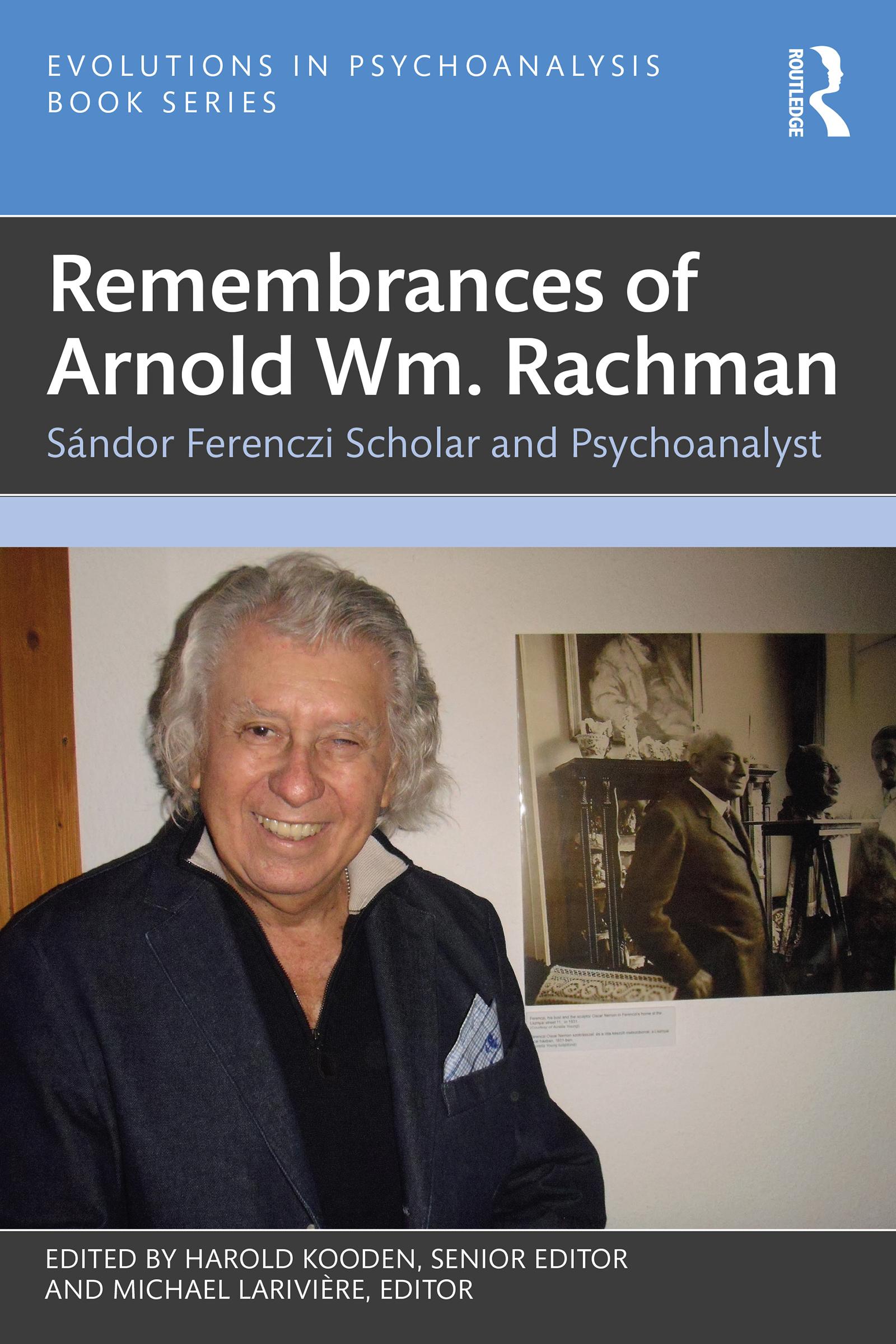
This book explores the implications of Arnold Rachman’s work in interpreting and applying Sándor Ferenczi’s approach to psychoanalysis to contemporary psychoanalytic theory and practice.
Drawing on contributions from colleagues, analysands, and supervisees, this book allows us to see how, through Rachman’s work, the ideas that Ferenczi had have been amplified and used as a base for a clear approach to psychoanalytic work. In doing so, he has allowed Ferenczi’s work to go from being a forgotten part of psychoanalytic history to being an influential figure in psychoanalysis today, especially in the United States and in Europe.
With fascinating insights on the place of Ferenczi and Rachman’s work in contemporary psychoanalytic theory and practice, this book is key reading for psychoanalysts, psychotherapists, and historians of thought.
Betal enkelt med kort, Klarna, Apple Pay eller Google Pay. Ikke fornøyd? Du har alltid 14 dagers angrerett. Les mer i våre vilkår. Har du spørsmål, send oss en e-post på hello@memmo.org.
Memmo gjør det enklere å studere – uansett hvor du er i verden. Hos oss samler du pensumbøker og smarte studieverktøy på ett og samme sted: sammendrag, quizer, podkaster og flashcards. Og så Ted, din studiekompis som svarer på alt du lurer på. Over 50 000 studenter studerer allerede her – bygget for at du skal lære raskere og stresse mindre.