
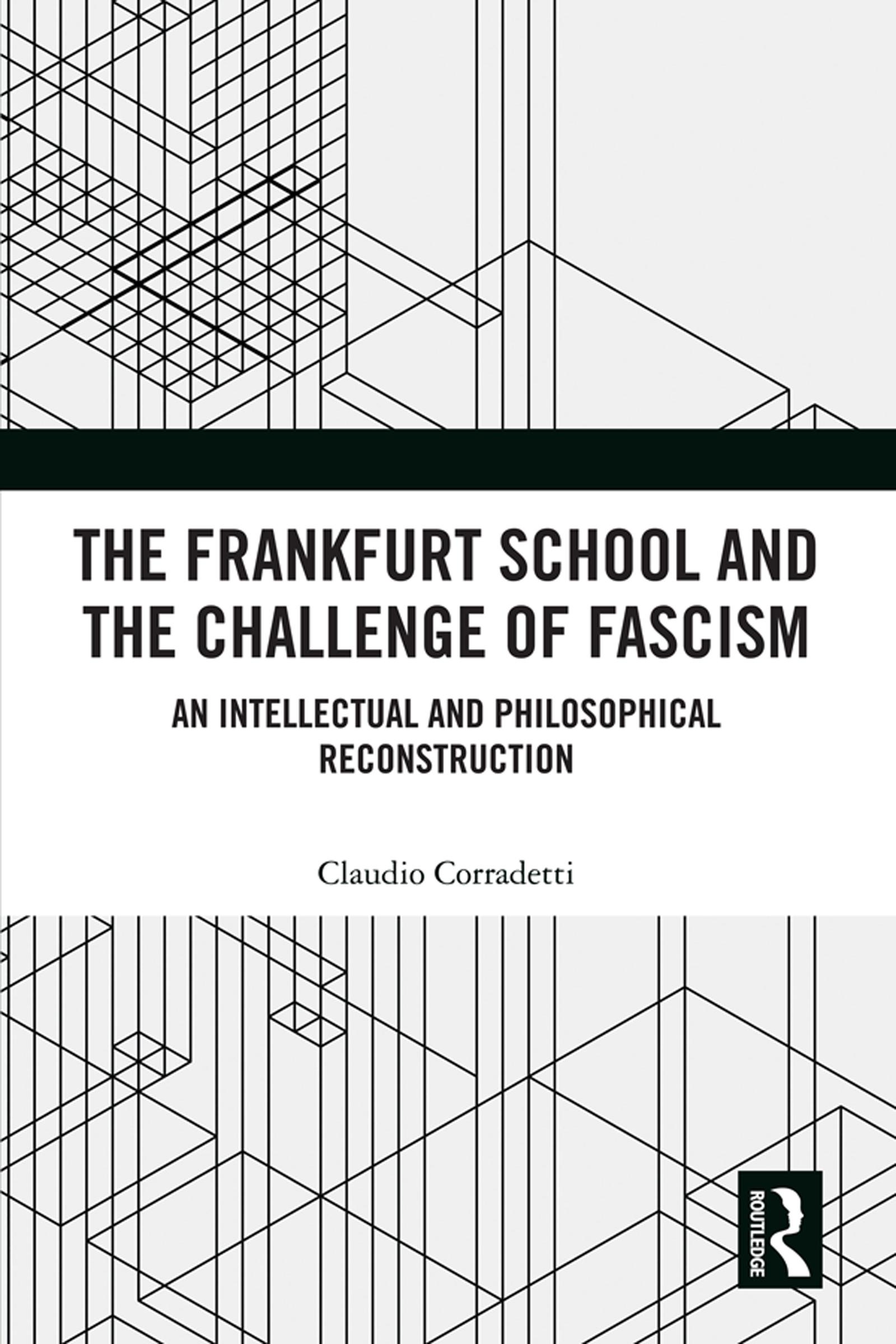
Fascism is a well-defined historical phenomenon, but its political-ideological offshoots have extended into today's democracies. How should we understand the mimetic and dissimulating capacity of fascism? Starting from the analyses of the exponents of the first Frankfurt School in their rethinking of the Marxian relationship of structure and superstructure, this study considers how fascism may be defined as a specific organization of power together with a form of economic planning accompanied by a masochistic propensity to power. Drawing on archival research at the Horkheimer and Marcuse Archive in Frankfurt, the author guides us through unpublished documents of the Institute of Social Research in the years 1938-1939 concerning the plan to formulate "a theory" on fascism. This was never produced as a single work, allowing space instead to the flourishing of different contributions. The objective of this book is to provide an internal systemic reading of fascism, finding points of mutual integration among critical theorists whenever possible while revealing irreconcilable divergencies when necessary. This topical book will be of interest to academics and researchers working in the areas of philosophy, the history of ideas, legal philosophy, critical theory, economics and political science.
Betal enkelt med kort, Klarna, Apple Pay eller Google Pay. Ikke fornøyd? Du har alltid 14 dagers angrerett. Les mer i våre vilkår. Har du spørsmål, send oss en e-post på hello@memmo.org.
Memmo gjør det enklere å studere – uansett hvor du er i verden. Hos oss samler du pensumbøker og smarte studieverktøy på ett og samme sted: sammendrag, quizer, podkaster og flashcards. Og så Ted, din studiekompis som svarer på alt du lurer på. Over 50 000 studenter studerer allerede her – bygget for at du skal lære raskere og stresse mindre.