
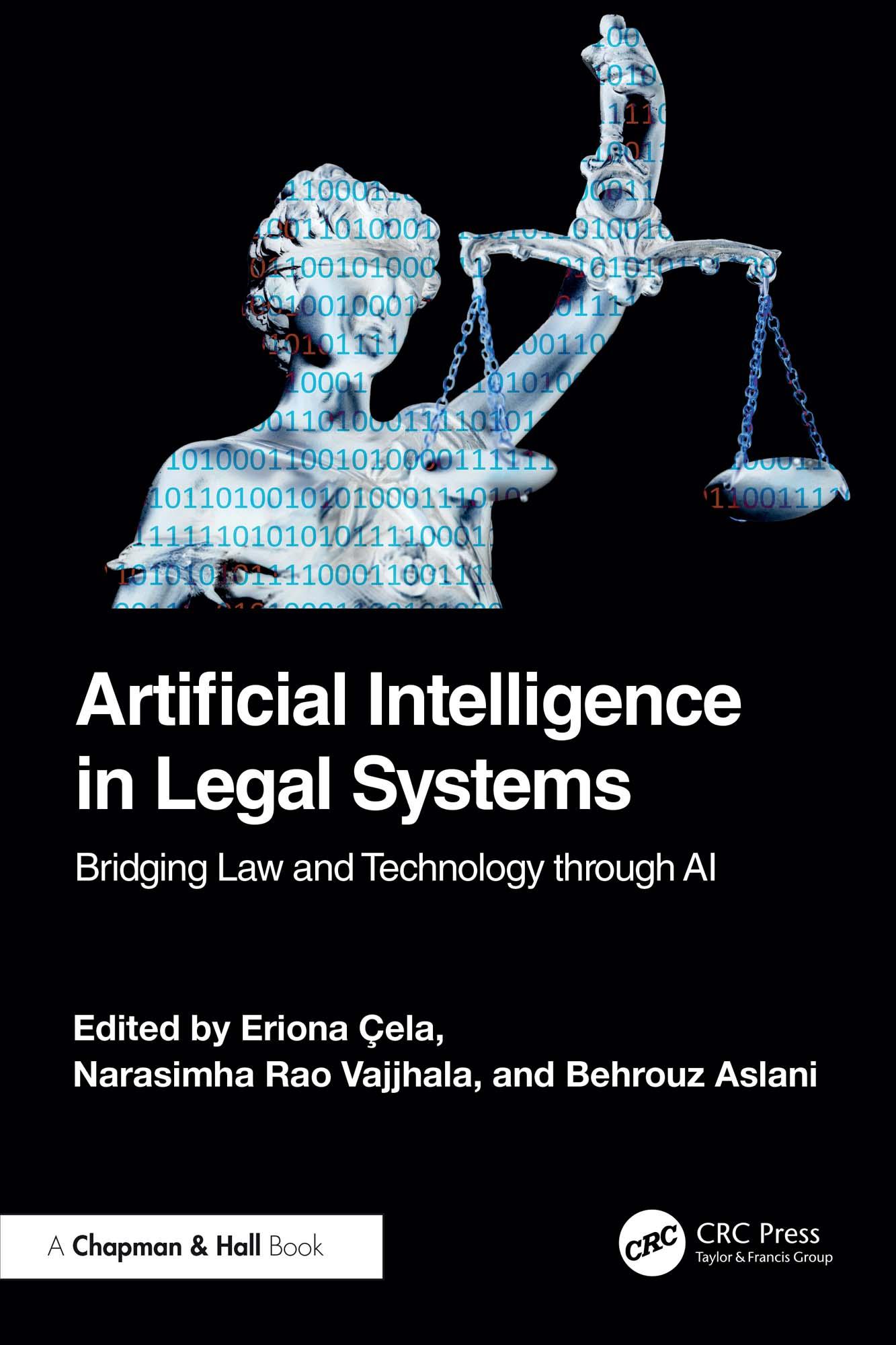
This book presents a comprehensive analysis of the transformative impact of artificial intelligence (AI) on legal frameworks within the European Union and beyond. It illustrates both the promising benefits of AI in improving access to justice and the significant challenges that necessitate thoughtful regulatory frameworks and interdisciplinary cooperation.
This book highlights the expansive applications of AI, ranging from case management to predictive analytics, while also scrutinizing ethical challenges and legal implications. It addresses the pressing issue of data protection in the context of Generative Pre-trained Transformer (GPT) technology, emphasizing the EU’s commitment to individual privacy rights. This book also evaluates AI’s role in public governance, using Albania as a case study, and examines the potential of blockchain technology in enhancing legal processes. The ethical nuances surrounding AI’s integration into legal systems are critically examined, particularly regarding algorithmic bias and human oversight. This book advocates for a collaborative approach involving legal experts and data scientists to navigate these complexities effectively.
This book is a key resource for postgraduate students, researchers, and legal professionals seeking to better understand the benefits and risks of incorporating AI into legal practice.
Betal enkelt med kort, Klarna, Apple Pay eller Google Pay. Ikke fornøyd? Du har alltid 14 dagers angrerett. Les mer i våre vilkår. Har du spørsmål, send oss en e-post på hello@memmo.org.
Memmo gjør det enklere å studere – uansett hvor du er i verden. Hos oss samler du pensumbøker og smarte studieverktøy på ett og samme sted: sammendrag, quizer, podkaster og flashcards. Og så Ted, din studiekompis som svarer på alt du lurer på. Over 50 000 studenter studerer allerede her – bygget for at du skal lære raskere og stresse mindre.