
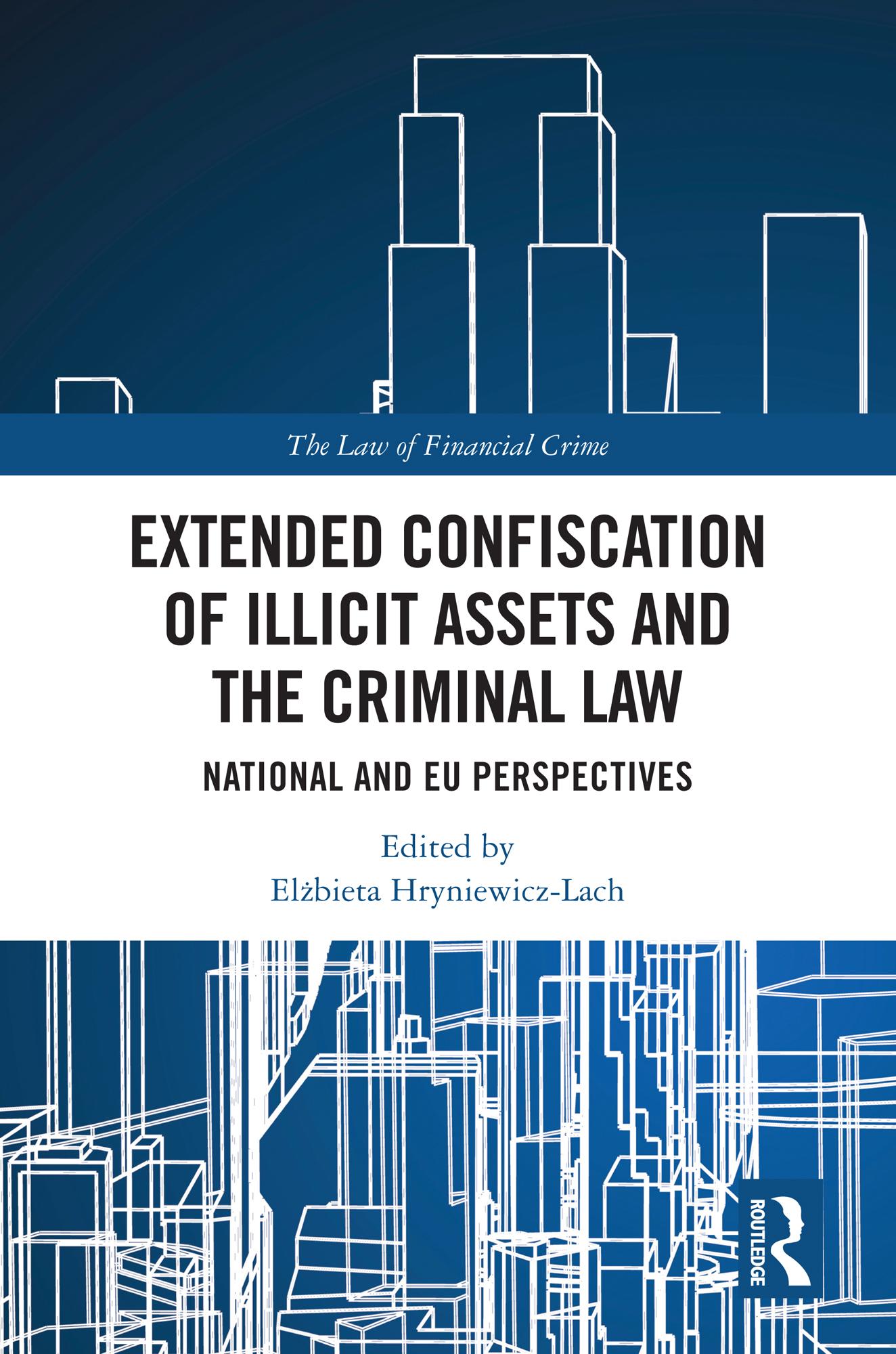
The European Union is developing instruments which allow law enforcement and judicial authorities to freeze, seize and confiscate illicit assets in a simplified way. Oversimplification of confiscation procedures may, however, result in violation of fundamental rights and general principles of law aimed at ensuring protection of individuals against interference from the State. Such risk exists in particular in the case of extended confiscation, where assets forfeited go beyond what is proven as resulting from a concrete criminal offence. This book drawing on the results of a large international project, brings together a group of experts to determine the requirements needed to achieve compliance of extended confiscation with the fundamental rights and legal principles included in the Charter of Fundamental Rights of the EU, European Convention of Human Rights and in national legal orders of the EU Member States. Divided into three parts, the first details the national perspectives of 14 countries. The second part presents analysis of extended confiscation in comparative terms. The third and final parts examine extended confiscation in the context of the EU criminal law. The book thus provides a detailed analysis of extended confiscation from a number of perspectives and will be an invaluable resource for academics, researchers and policymakers working in the areas of Financial Crime, Comparative Criminal Justice and Human Rights Law.
Betal enkelt med kort, Klarna, Apple Pay eller Google Pay. Ikke fornøyd? Du har alltid 14 dagers angrerett. Les mer i våre vilkår. Har du spørsmål, send oss en e-post på hello@memmo.org.
Memmo gjør det enklere å studere – uansett hvor du er i verden. Hos oss samler du pensumbøker og smarte studieverktøy på ett og samme sted: sammendrag, quizer, podkaster og flashcards. Og så Ted, din studiekompis som svarer på alt du lurer på. Over 50 000 studenter studerer allerede her – bygget for at du skal lære raskere og stresse mindre.