
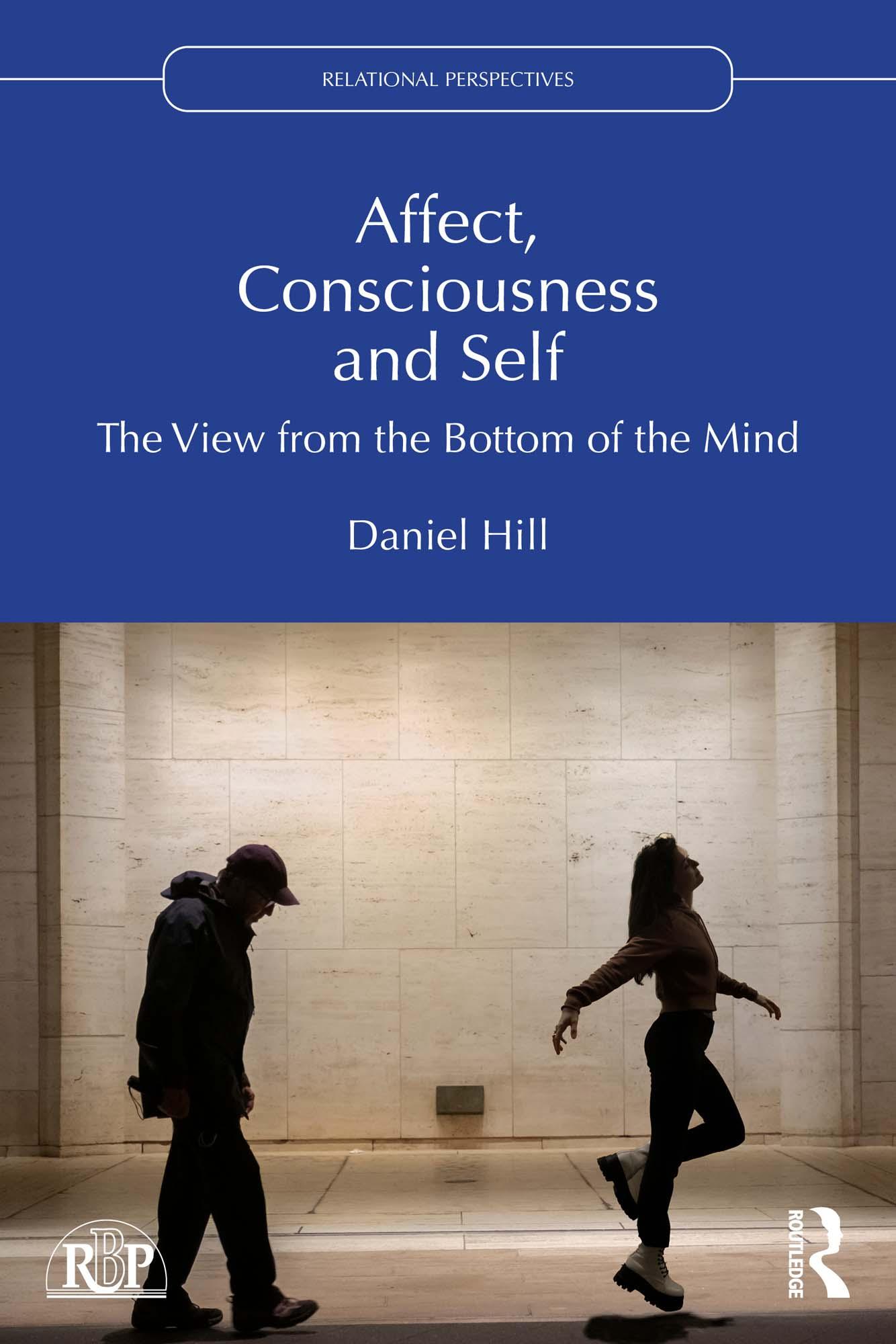
This book argues that mental life is organized by and around affect. It proposes a clinical model for understanding how affect influences states of consciousness and self. It illustrates how, from moment to moment, affect determines the world we know, how we are disposed to being in it, and our capacity to function in it.
After introducing consciousness and self as features of mind that have posed daunting problems for philosophy, neurology, and psychoanalysis, subsequent chapters propose a model for understanding them at the clinical level. Initial chapters are devoted to the influence of affect on the structure and dynamics of normal waking consciousness and on the self’s capacity to act agentically, to relate intersubjectively, and to develop itself. Final chapters discuss disordered states of consciousness and impeded self‑functioning, due to affect dysregulation and what all this looks like in patients with preoccupied and avoidant attachment patterns.
Drawing on psychoanalysis, attachment theory, interpersonal and affective neurobiology, and traumatology, this book offers a fresh perspective on the importance of affect for psychoanalysts and psychodynamic psychotherapists.
Betal enkelt med kort, Klarna, Apple Pay eller Google Pay. Ikke fornøyd? Du har alltid 14 dagers angrerett. Les mer i våre vilkår. Har du spørsmål, send oss en e-post på hello@memmo.org.
Memmo gjør det enklere å studere – uansett hvor du er i verden. Hos oss samler du pensumbøker og smarte studieverktøy på ett og samme sted: sammendrag, quizer, podkaster og flashcards. Og så Ted, din studiekompis som svarer på alt du lurer på. Over 50 000 studenter studerer allerede her – bygget for at du skal lære raskere og stresse mindre.