
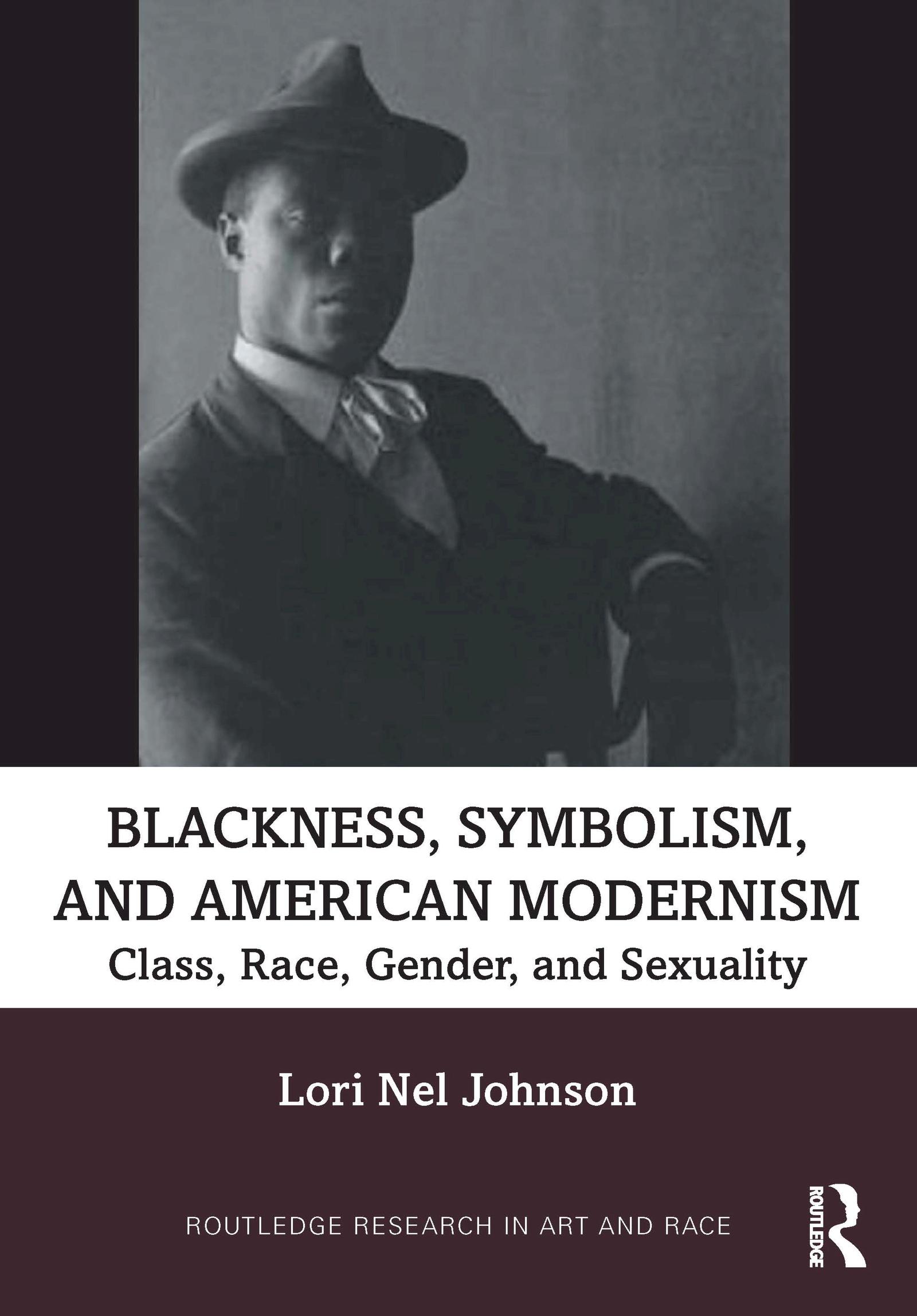
In this book, Lori Nel Johnson examines the work of Henry Ossawa Tanner (1859-1937), Meta Warrick Fuller (1877-1968), and F. Holland Day (1864-1933) in relation to the development of modernism during the turn of the century, and the official narratives surrounding this movement.
While Tanner and Fuller have been consistently linked in the history of American Art, the Pictorialist photographer and publisher, Day has rarely if ever been discussed with these two artists, despite the fact that all three were rough contemporaries and affiliated with Symbolism. The book compares the historical and social conditions that determined the lives and careers of these three artists, which curtailed their ambitions because of the intersections of class, race, gender, or sexuality. By examining each artist’s respective proximity to language on the basis of class, race, gender, and sexuality, this study avoids categorizing artists solely on the basis of difference, and thus, offers a more fulsome and radical reading of the development of modernism in the United States.
The book will be of interest to scholars of art history, design history, history of photography, American studies, and African American studies.
Betal enkelt med kort, Klarna, Apple Pay eller Google Pay. Ikke fornøyd? Du har alltid 14 dagers angrerett. Les mer i våre vilkår. Har du spørsmål, send oss en e-post på hello@memmo.org.
Memmo gjør det enklere å studere – uansett hvor du er i verden. Hos oss samler du pensumbøker og smarte studieverktøy på ett og samme sted: sammendrag, quizer, podkaster og flashcards. Og så Ted, din studiekompis som svarer på alt du lurer på. Over 50 000 studenter studerer allerede her – bygget for at du skal lære raskere og stresse mindre.