
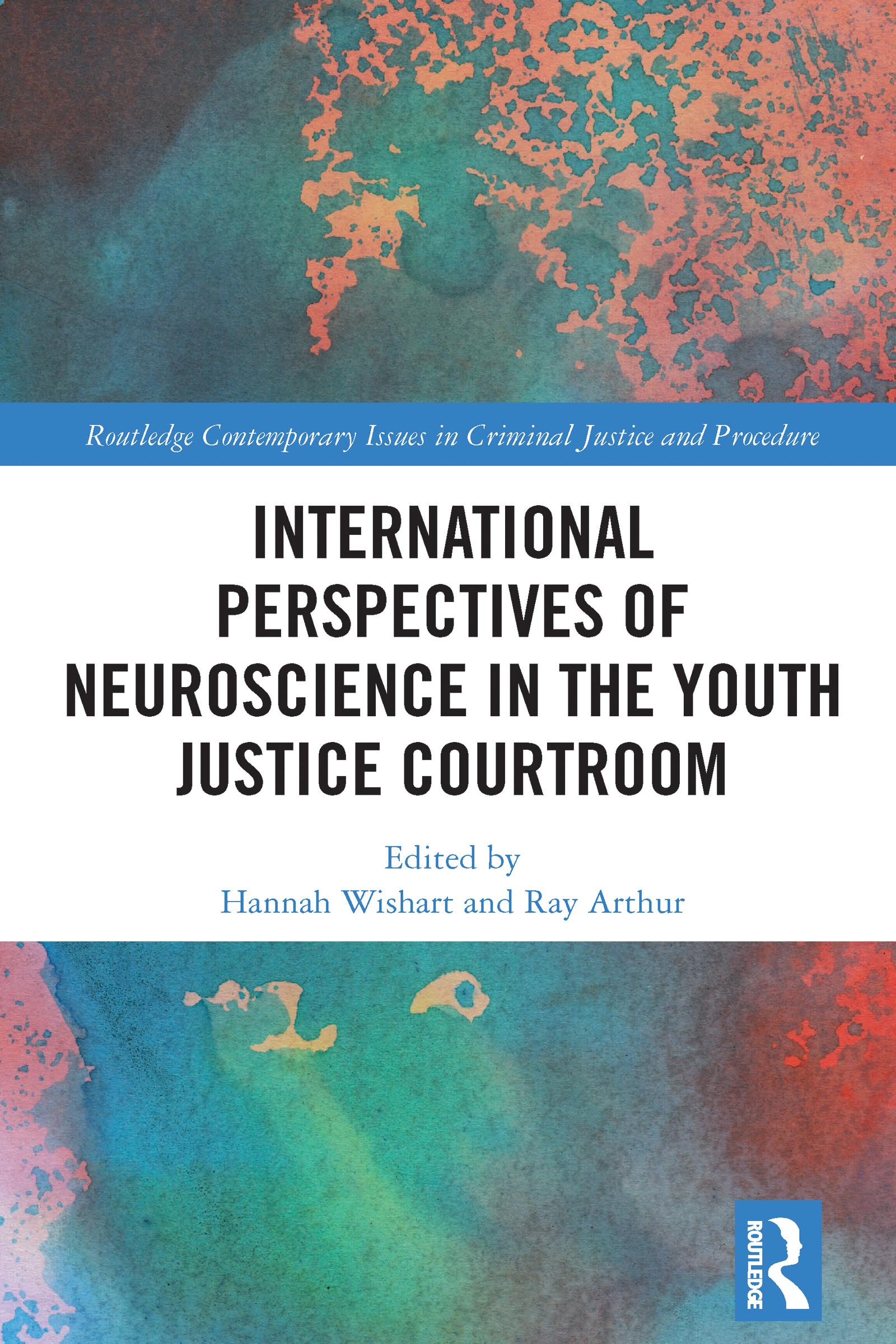
This collection presents international viewpoints on interdisciplinary problems that fall under the new and emerging field of neurojustice. The chapters critically explore a wide range of legal problems in youth justice for children and young persons through a neuroscientific lens. This comparative view is informed by analyses from academics and legal practitioners based in England and Wales, Ireland, the United States, and New Zealand.
The work brings together a range of perspectives to discuss the use and relevance of neuroscience in the youth justice courtroom and how neuroscience is currently benefiting and impacting children and young persons in international youth justice trials. The book makes a valuable contribution to the existing literature in this field by offering a thorough examination of the intersection between these disciplines for children and young individuals at different stages of the trial process, including unfitness to plead, sentencing, and mens rea. It will appeal to students, academics and practitioners worldwide working in the areas of criminal law, neurolaw, neuroethics, juvenile law, and comparative law.
Betal enkelt med kort, Klarna, Apple Pay eller Google Pay. Ikke fornøyd? Du har alltid 14 dagers angrerett. Les mer i våre vilkår. Har du spørsmål, send oss en e-post på hello@memmo.org.
Memmo gjør det enklere å studere – uansett hvor du er i verden. Hos oss samler du pensumbøker og smarte studieverktøy på ett og samme sted: sammendrag, quizer, podkaster og flashcards. Og så Ted, din studiekompis som svarer på alt du lurer på. Over 50 000 studenter studerer allerede her – bygget for at du skal lære raskere og stresse mindre.