
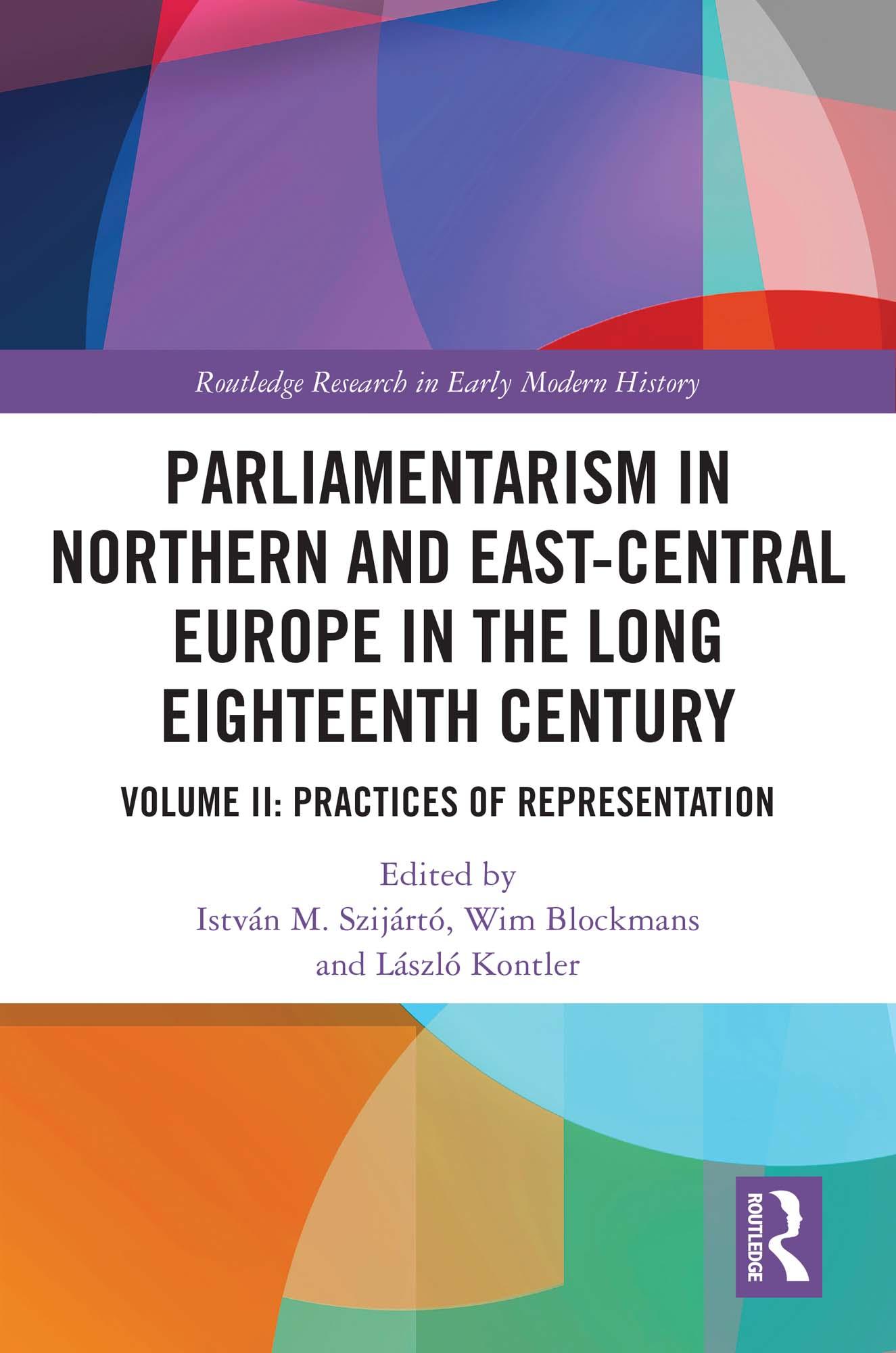
This volume investigates the history of the parliamentary assemblies of Sweden, Poland and Hungary in the final period of the ancien régime, offering an analysis of these three representative assemblies in a systematic comparative framework for the first time.
The book studies the Polish sejm, the Swedish riksdag and the Hungarian diaeta, focusing on the eighteenth century with retrospective consideration of developments in the previous century and a forward-looking gaze at the events of the following era. While Volume I of this series mapped the institutional framework and focused on the MPs’ motivation, this book concentrates on the forms and practices that characterized these three representative institutions, with special attention paid to the questions of free mandate and majority voting. The freedom of mandates and the emergence of majority voting are explored in comparative studies (England and Poland) or parallel chapters (Sweden and Hungary), and the most important prerogative of these representative assemblies, a control on extraordinary taxes, is explored in parallel for Sweden and Hungary.
Intended for specialist readers, postgraduate students and scholars, this research will be of particular interest to those studying early modern European history and political history.
Betal enkelt med kort, Klarna, Apple Pay eller Google Pay. Ikke fornøyd? Du har alltid 14 dagers angrerett. Les mer i våre vilkår. Har du spørsmål, send oss en e-post på hello@memmo.org.
Memmo gjør det enklere å studere – uansett hvor du er i verden. Hos oss samler du pensumbøker og smarte studieverktøy på ett og samme sted: sammendrag, quizer, podkaster og flashcards. Og så Ted, din studiekompis som svarer på alt du lurer på. Over 50 000 studenter studerer allerede her – bygget for at du skal lære raskere og stresse mindre.