
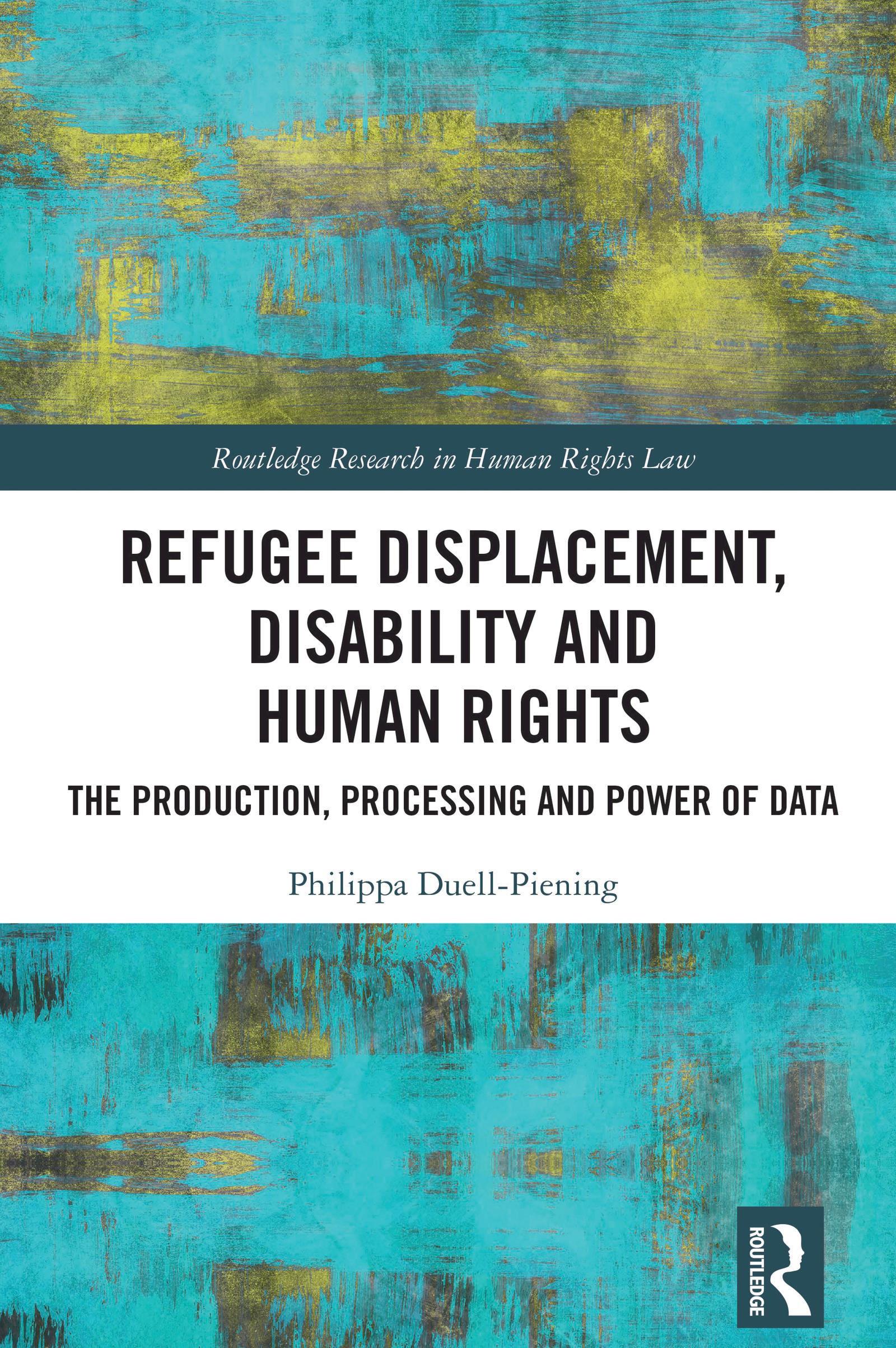
This book presents a timely and innovative exploration of one of the first human rights articles about data production and processing: the Convention on the Rights of Persons with Disabilities article 31, ‘Statistics and data collection’.
The study provides detailed explorations of the legal and practical demands of article 31, how these have been interpreted and the practice of human rights research with marginalised communities. It describes the history of the article’s drafting in detail, uncovering the tensions at its heart today. This analysis provides the foundations for an alternative doctrinal reading of the obligations in article 31 and an exploration of a potential group right. The book's detailed analysis is assisted by a new conceptual framework that illustrates the relationship between visibility and power. The work demonstrates that data is not inert but powerful and may be used in ways that are helpful and harmful to rights holders. Through closely examining disability human rights data practices in refugee contexts, it concludes that human rights protections are being ignored in the urgency to create more data to identify and address inequality. The author identifies immediate actions that may be taken to remediate current practices.
The book will be an invaluable resource for academics, researchers and policy-makers working in disability studies, human rights law, refugee and migration studies, technology and society.
Betal enkelt med kort, Klarna, Apple Pay eller Google Pay. Ikke fornøyd? Du har alltid 14 dagers angrerett. Les mer i våre vilkår. Har du spørsmål, send oss en e-post på hello@memmo.org.
Memmo gjør det enklere å studere – uansett hvor du er i verden. Hos oss samler du pensumbøker og smarte studieverktøy på ett og samme sted: sammendrag, quizer, podkaster og flashcards. Og så Ted, din studiekompis som svarer på alt du lurer på. Over 50 000 studenter studerer allerede her – bygget for at du skal lære raskere og stresse mindre.