
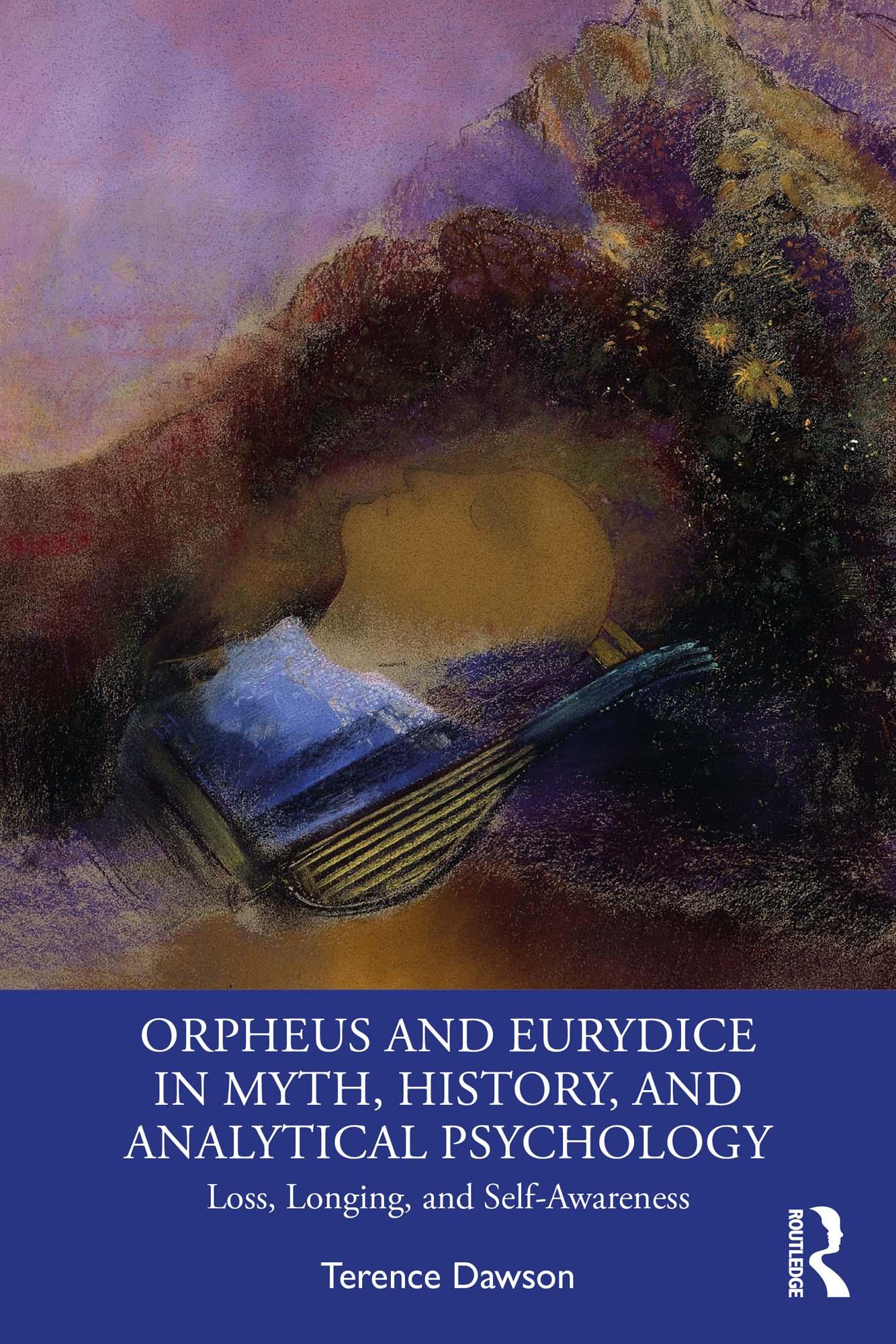
This fascinating study shows how the minor Greek story of Orpheus and Eurydice came to have a more persistent and varied impact on Western culture than any other Greek myth. In the last 2,000 years, it has captivated the imagination of successive ages. Writers and other artists have turned to it to explore unexpectedly diverse concerns, from classical philosophy, through Christian values, to challenges involving individual psychology and societal well-being.
Dawson’s study of the mythic imagination traces how these concerns unfold in poems, plays, novels, films, paintings, operas, ballets, and sculptures. It charts a history of responses to the experience of loss and longing and the need to grow in self-awareness. And it illustrates how responses to this myth anticipate many of the claims associated with analytical psychology.
This book will be of interest to analysts, scholars, and students working with Jung’s ideas, and to all those interested in adaptations of myth and the implications they harbour.
Betal enkelt med kort, Klarna, Apple Pay eller Google Pay. Ikke fornøyd? Du har alltid 14 dagers angrerett. Les mer i våre vilkår. Har du spørsmål, send oss en e-post på hello@memmo.org.
Memmo gjør det enklere å studere – uansett hvor du er i verden. Hos oss samler du pensumbøker og smarte studieverktøy på ett og samme sted: sammendrag, quizer, podkaster og flashcards. Og så Ted, din studiekompis som svarer på alt du lurer på. Over 50 000 studenter studerer allerede her – bygget for at du skal lære raskere og stresse mindre.