
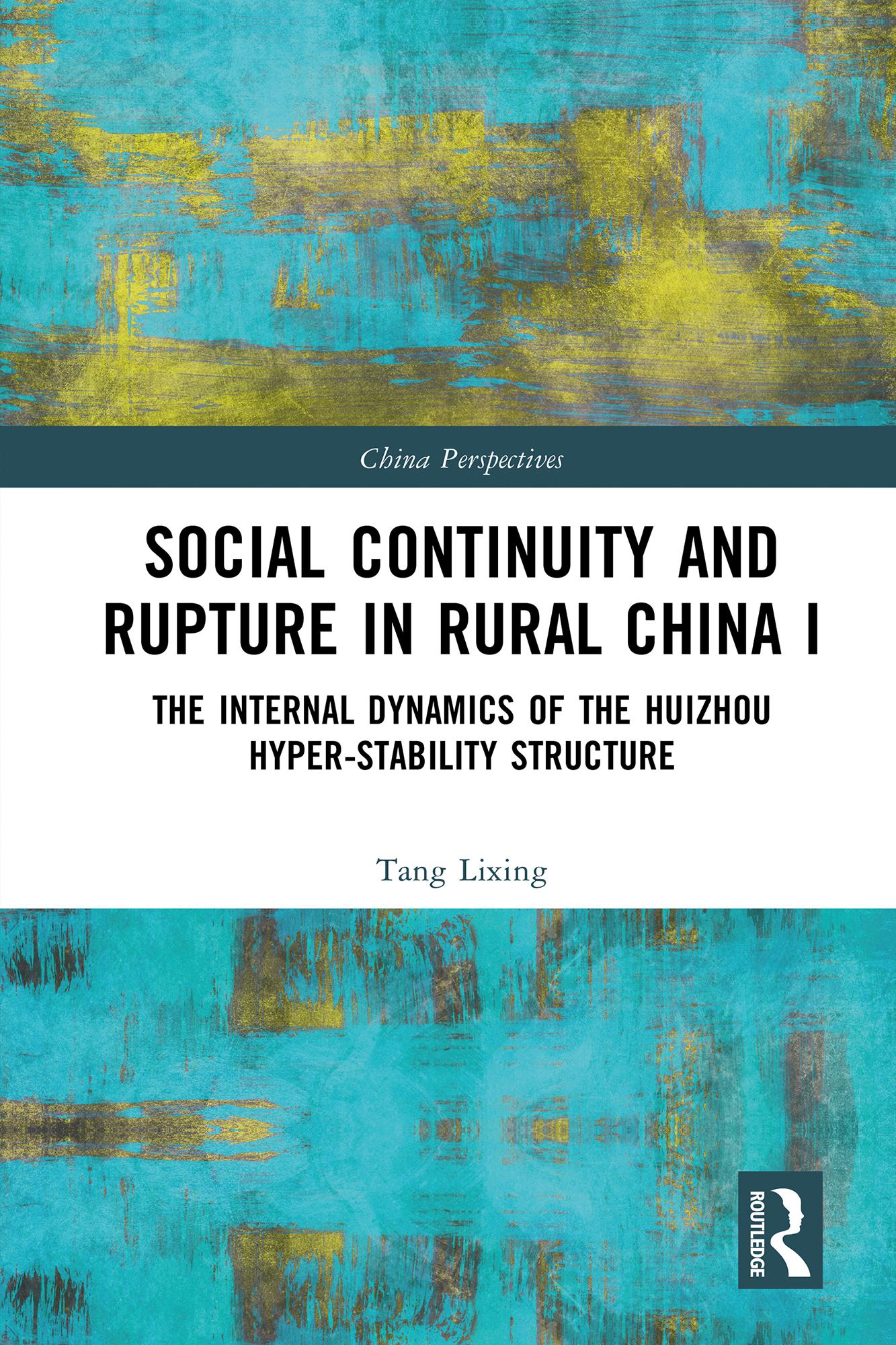
As the first of a two-volume set examining the distinctive social structure and governance of Huizhou, China, this book focuses on the internal elements of this social functioning.
From the sixteenth century to the first half of the twentieth century, Huizhou, a historic region in what is now Anhui Province in China, was characterized by long-term social stability and prosperity. Even during times of war and unrest, Huizhou was able to quickly restore order. This two-volume study explores the reasons for this stability and its relevance and implications for contemporary society. In this first volume, the author provides an insider’s view of the factors that contributed to this remarkable social stability. It begins with an account of the historical context of the region, including clans, businessmen, and non-state institutions. The book then examines the internal drivers of this stable society, including autonomous local governance based on Confucian culture, merchant culture, and clan culture, which together ensured effective leadership of various non-governmental organizations.
The title will appeal to scholars and students of Chinese history, social and economic history in modern China, as well as readers interested in China’s transition to modernity.
Betal enkelt med kort, Klarna, Apple Pay eller Google Pay. Ikke fornøyd? Du har alltid 14 dagers angrerett. Les mer i våre vilkår. Har du spørsmål, send oss en e-post på hello@memmo.org.
Memmo gjør det enklere å studere – uansett hvor du er i verden. Hos oss samler du pensumbøker og smarte studieverktøy på ett og samme sted: sammendrag, quizer, podkaster og flashcards. Og så Ted, din studiekompis som svarer på alt du lurer på. Over 50 000 studenter studerer allerede her – bygget for at du skal lære raskere og stresse mindre.