
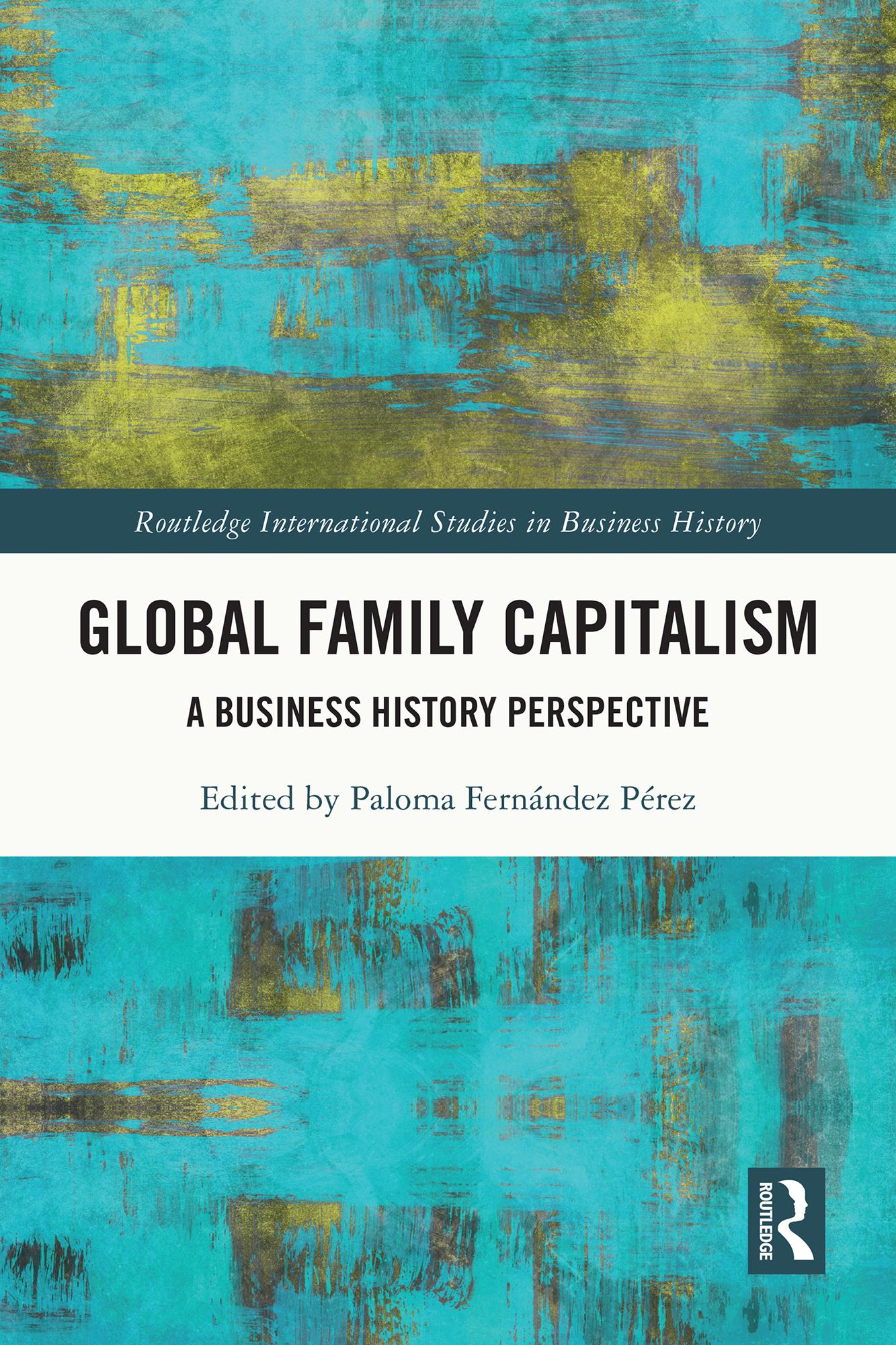
Emphasizing the diversity of regional and national models, this book explores the history of transformation of family businesses around the world during the twentieth and early twenty-first centuries.
Expert contributors explore place-based family capitalism and the local embeddedness of family businesses, looking at how and why this family capitalism was transformed during the globalization and de-globalization periods in the last century. It explores the variation in the adaptations and transformation undertaken by family businesses in response to changes in technology, globalization, ideology, and institutions, as well as world wars, pandemics, and economic crises. The book also evaluates the relationship between changes in the internal organization and strategies of family businesses with external forces such as the political ideologies, changing ideas about the very nature of what constitutes a family, and changes in how the State has perceived families and family businesses in the world. The book also shows that despite all profound transformations in family capitalism, these businesses have remained resilient entrepreneurial forces and strong creators of wealth and employment.
This book will be of great interest to readers in business and economic history, family business, and entrepreneurship.
Betal enkelt med kort, Klarna, Apple Pay eller Google Pay. Ikke fornøyd? Du har alltid 14 dagers angrerett. Les mer i våre vilkår. Har du spørsmål, send oss en e-post på hello@memmo.org.
Memmo gjør det enklere å studere – uansett hvor du er i verden. Hos oss samler du pensumbøker og smarte studieverktøy på ett og samme sted: sammendrag, quizer, podkaster og flashcards. Og så Ted, din studiekompis som svarer på alt du lurer på. Over 50 000 studenter studerer allerede her – bygget for at du skal lære raskere og stresse mindre.