
Før Memmo var notatene mine spredt overalt i PDF-er. Nå samler et arbeidsområde alt på ett sted – jeg ser akkurat hva som gjenstår å studere.
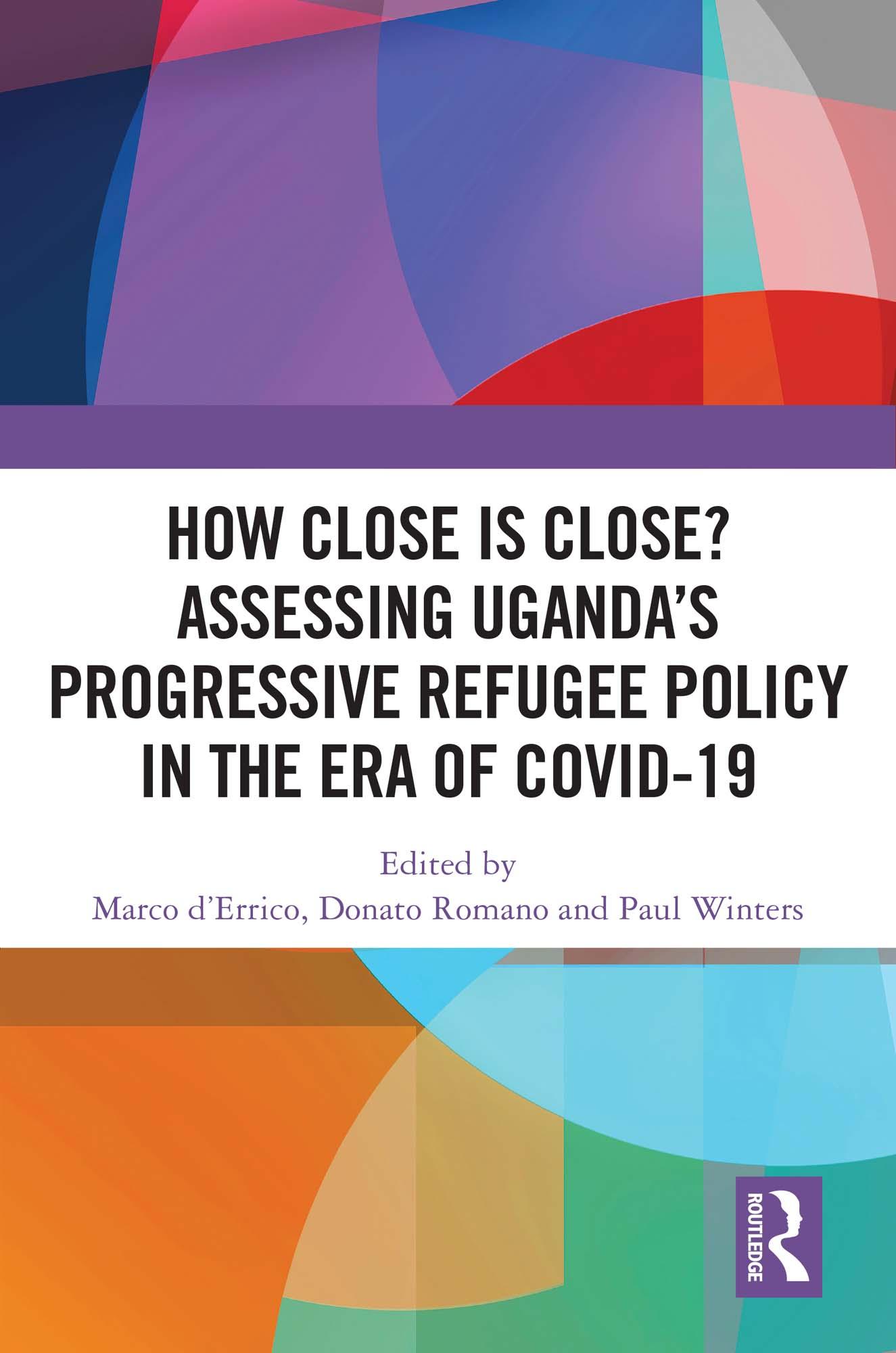
Uganda is home to 1.5 million refugees from DRC, Burundi, South Sudan and other countries. The Uganda political framework is one of the most progressive and inclusive toward refugees. Only a fraction of the refugees is likely to go back to their home countries. This book assesses Uganda’s progressive refugee policy with reference to how it functioned in the era of COVID-19 using a unique panel data collected between 2017 and 2021.
The Uganda Refugee Policy (2006) and the Refugee Regulations (2010) grant refugees wide-ranging rights that include allocating land for agriculture purposes, freedom of movement, and the right to seek employment. However, the magnitude and the speed of influx of refugees in recent years have posed critical challenges to the sustainability of these progressive policies. On top of this, unpredictable and unprecedented crises have emerged, such as COVID-19 and the Ukraine war, that have threatened food security and the resilience of livelihoods, value chains and food systems. The chapters in this book assess Uganda’s progressive refugee policy with reference to how it functioned in the era of COVID-19. They focus on the following three main areas: (i) the economic relationship and coexistence between host and refugees’ communities; (ii) the success and sustainability of the current model of assistance; and (iii) the response to COVID-19 on communities’ welfare and long-term prospects. Addressing these issues is possible due to a unique panel dataset of thirteen refugee settlements and neighbouring host communities specifically collected for these purposes.
Investigating the economic consequences of the integration between host and refugees’ communities and offering new evidence with specific reference to Uganda, this book will be a key resource for scholars, researchers and practitioners of development studies, African studies, economics, and sociology. It was originally published as a special issue of The Journal of Development Studies.
Før Memmo var notatene mine spredt overalt i PDF-er. Nå samler et arbeidsområde alt på ett sted – jeg ser akkurat hva som gjenstår å studere.
Memmos sammendrag er gull før eksamen. Jeg slipper å lese 800 sider to uker før – bare det viktigste.
AI-chatten har reddet meg kvelden før eksamen mer enn én gang. Jeg bare spør til jeg forstår – slipper å vente på svar i en studiegruppe.
Quizene treffer akkurat det jeg trenger å vite. Memmo holder styr på hva jeg sliter med – så jeg øver bare på det som er verdt det.
Flashcards med repetisjon over tid er magi. Memmo vet når jeg er i ferd med å glemme noe og viser det igjen.
AI-podkastene er min favoritt. Jeg lytter på vei til skolen og får en repetisjon uten å sitte foran en datamaskin.

Handbok i kvalitativa metoder
281 kr

Hållbar utveckling: en introduktion för ingenjörer och andra problemlösare
334 kr

Brymans Samhällsvetenskapliga metoder
390 kr

Projektledning
491 kr

Den orättvisa hälsan: om socioekonomiska skillnader i hälsa och livslängd
326 kr

Organizational Leadership
429 kr

Vetenskapsteori för nybörjare
196 kr

På väg mot läraryrket
172 kr

Det sociala livet i skolan: Socialpsykologiska perspektiv
253 kr

Betygsättningens didaktik
151 kr

Personality
402 kr

Studying Leadership
404 kr

Managing Innovation
477 kr

Introduktion till samhällsvetenskaplig metod
347 kr

The Psychology of Sex and Gender
698 kr

Introduction to Leadership
605 kr

Evidens och kunskap för socialt arbete
207 kr