
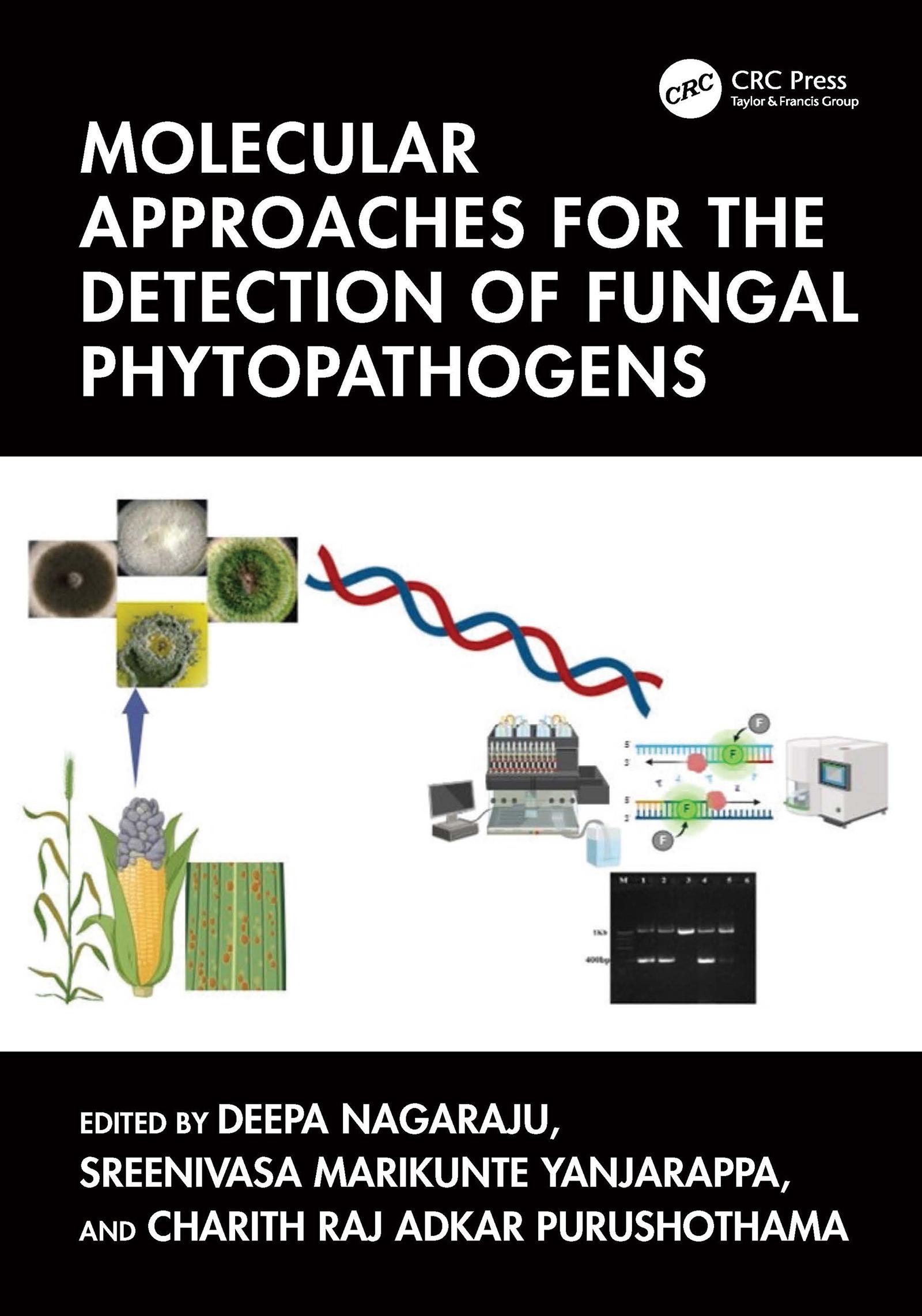
This book discusses recent advancements and updates in the molecular diagnostics of fungal phytopathogens. The techniques covered in the seventeen chapters help in understanding the importance of early detection of fungal pathogens and their toxins in both post- and pre-harvest stages of crop production. Molecular Approaches for the Detection of Fungal Phytopathogens describes the fungal identification and isolation from different sources such as food, feed and cereals using molecular approaches. These include variants of polymerase chain reaction (PCR) involving: generic (genus and species) and gene-specific primers, RNA-sequence-based next-generation sequences, microarrays, serial analysis of gene expression, fluorescence in-situ hybridization, loop-mediated isothermal amplification, macroarrays, PCR-denaturing gradient gel electrophoresis, magnetic capture hybridization-PCR, nanotechnology, and immunoassays providing faster and more sensitive approaches than traditional methods that overcome challenges by developing novel disease control strategies.
Features
- Explores various diagnostic strategies for phytopathogens
- Discusses early detection methods when fungal spores are low or there are no visible symptoms
- Provides a historical perspective and compares the traditional methods of detection with the current molecular techniques
- Describes details of the protocol of every technique mentioned
- Covers point-of-care testing for fungal pathogens and quality assurance for molecular testing in plant health
Betal enkelt med kort, Klarna, Apple Pay eller Google Pay. Ikke fornøyd? Du har alltid 14 dagers angrerett. Les mer i våre vilkår. Har du spørsmål, send oss en e-post på hello@memmo.org.
Memmo gjør det enklere å studere – uansett hvor du er i verden. Hos oss samler du pensumbøker og smarte studieverktøy på ett og samme sted: sammendrag, quizer, podkaster og flashcards. Og så Ted, din studiekompis som svarer på alt du lurer på. Over 50 000 studenter studerer allerede her – bygget for at du skal lære raskere og stresse mindre.