
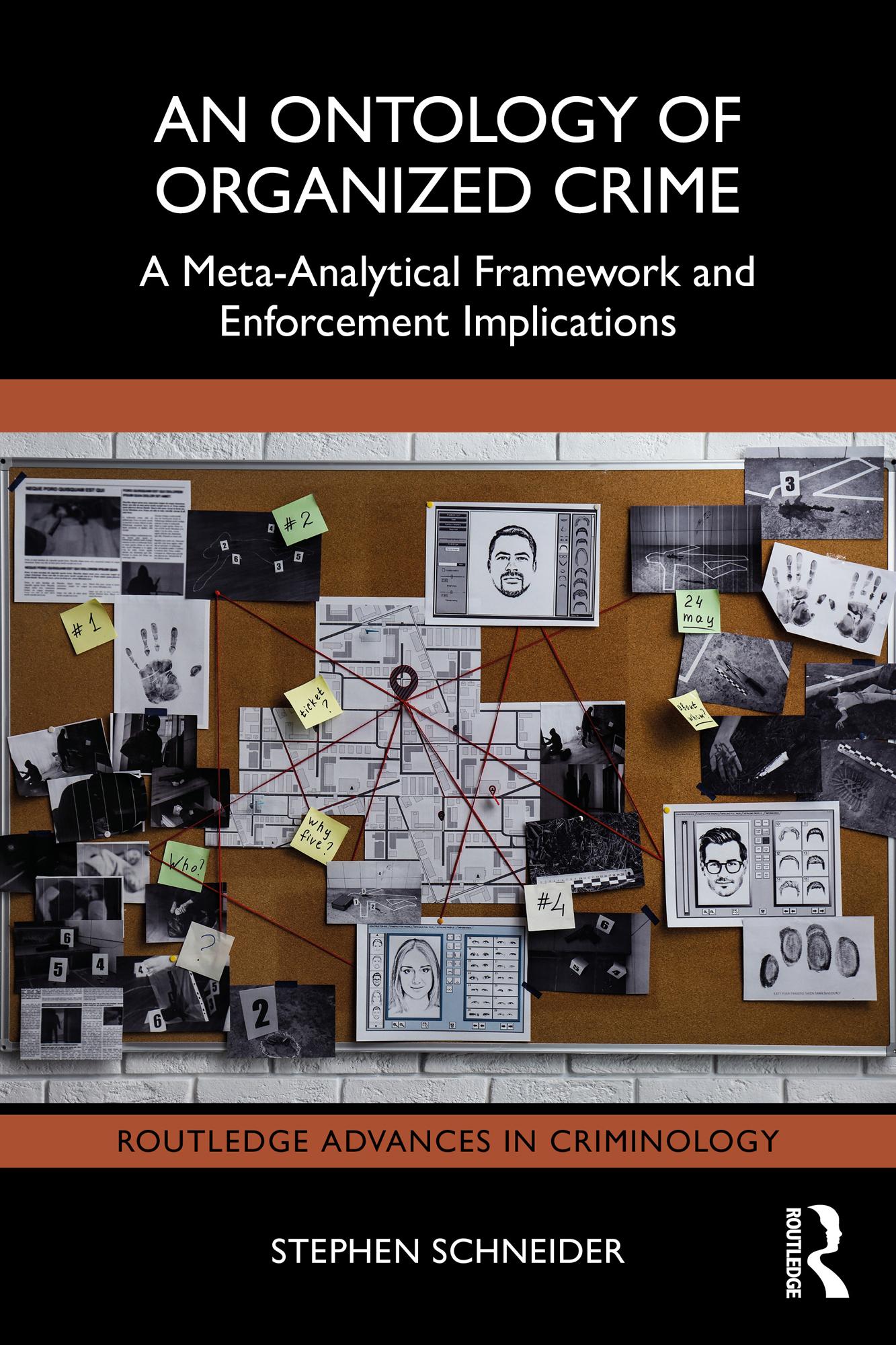
One of the most elusive pursuits in the study of organized crime is developing a definition, description, or conceptual model that captures its complexity, diversity, and ever-changing nature. This book takes a comprehensive approach to unraveling the intricacies and variations of organized crime, providing a detailed account of its many attributes.
Based on a review of the theoretical literature, the author has created a holistic typology essential to understanding organized crime. The typology comprises 28 attributes divided into five thematic categories: associational (the relationship among the offenders that leads to some discernible structure), commercial (revenue-generating crimes), operational (support functions and expenditures), institutional (factors that sustain a criminal association and activities over time), and cultural/behavioral (the norms, values, and codes of organized crime and how they affect the actions of offenders). These categories are not simply used to classify the different attributes; each one represents a structural pillar of an organized criminal association. As a meta-analytical framework, the typology is the first to incorporate the foremost ways in which organized crime has been conceptualized in the literature: as an association of offenders, the crimes perpetrated, how organized crimes are carried out, and as a form of underworld governance. The book also adapts the static typology into a flexible and testable conceptual model that recognizes the many variations among organized criminal associations, and which can be used to determine when a group of offenders constitutes organized crime. Besides their theoretical and empirical purposes, the typology and conceptual model have been constructed as applied frameworks for informing strategic enforcement (setting priorities), tactical enforcement (targeting and denigrating the structural pillars of an organized criminal association), and policy purposes (as a basis for a comprehensive multi-sectoral control plan).
This book is invaluable for students and scholars studying organized crime as well as criminal justice professionals looking for guidance on enforcement strategies and public policies.
Betal enkelt med kort, Klarna, Apple Pay eller Google Pay. Ikke fornøyd? Du har alltid 14 dagers angrerett. Les mer i våre vilkår. Har du spørsmål, send oss en e-post på hello@memmo.org.
Memmo gjør det enklere å studere – uansett hvor du er i verden. Hos oss samler du pensumbøker og smarte studieverktøy på ett og samme sted: sammendrag, quizer, podkaster og flashcards. Og så Ted, din studiekompis som svarer på alt du lurer på. Over 50 000 studenter studerer allerede her – bygget for at du skal lære raskere og stresse mindre.