
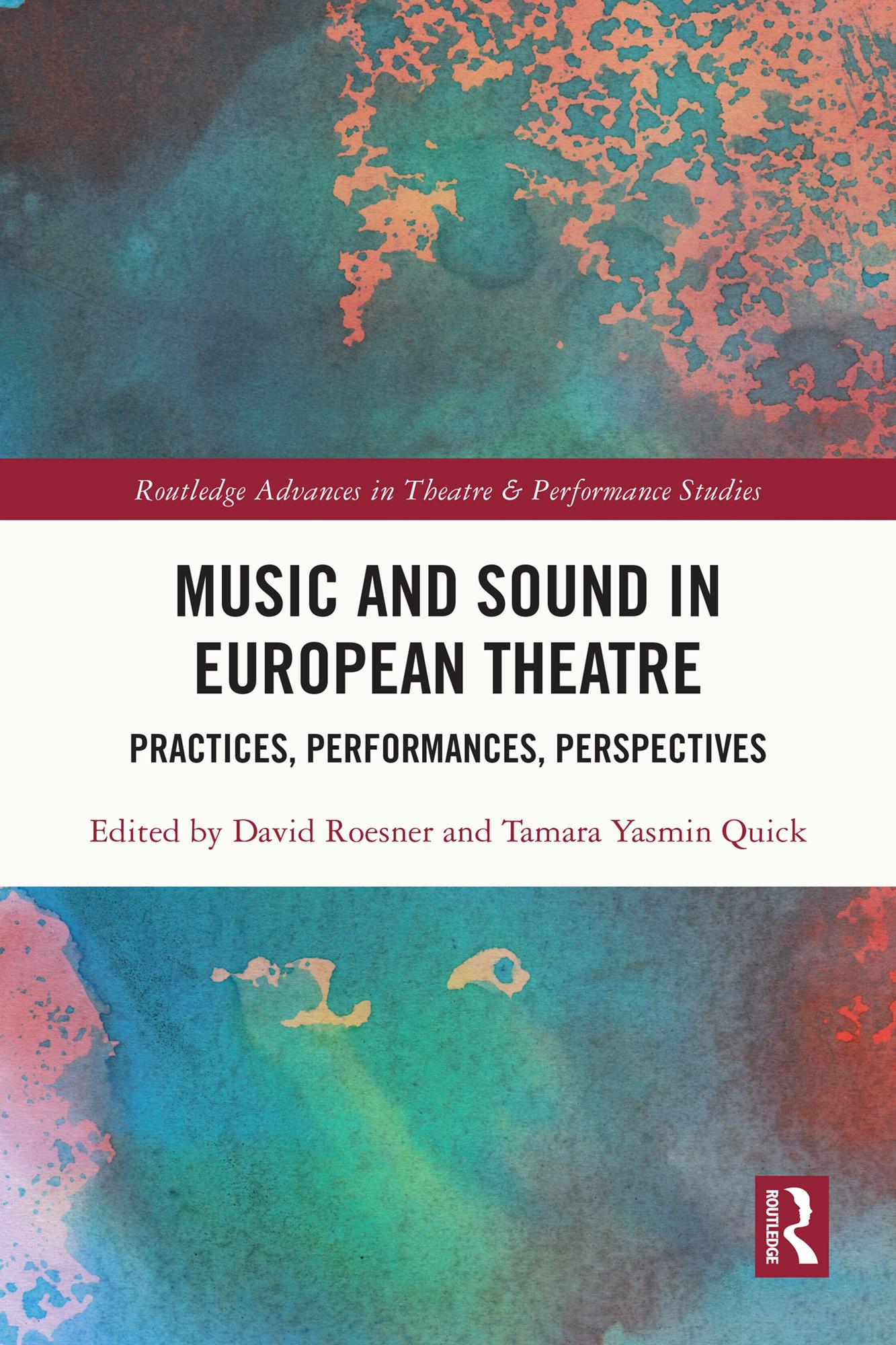
The need for a research volume on European theatre music and sound is almost self-evident.
Musical and sonic practices have been an integral part of theatre ever since the artform was first established 2,500 years ago: not just in subsequent genres that are explicitly driven by music, such as opera, operetta, ballet, or musical theatre, but in all kinds of theatrical forms and conventions. Conversely, academic recognition of the role of theatre music, its aesthetics, creative processes, authorships, traditions, and innovations is still insufficient. This volume unites experts from different disciplines and backgrounds to make a significant contribution to the much-needed discourse on theatre music. The term itself is a shapeshifter that signifies different phenomena at different times: the book thus deliberately casts a wide net to explore both the highly contextual terminologies and the many ways in which different times and cultures understand ‘theatre music’. By treating theatre music as a practice, focusing on its role in creating and watching performances, the book appeals to a wide range of readerships: researchers and students of all levels, journalists, audiences, and practitioners.
It will be useful to universities and conservatoires alike and relevant for many disciplines in the humanities.
Betal enkelt med kort, Klarna, Apple Pay eller Google Pay. Ikke fornøyd? Du har alltid 14 dagers angrerett. Les mer i våre vilkår. Har du spørsmål, send oss en e-post på hello@memmo.org.
Memmo gjør det enklere å studere – uansett hvor du er i verden. Hos oss samler du pensumbøker og smarte studieverktøy på ett og samme sted: sammendrag, quizer, podkaster og flashcards. Og så Ted, din studiekompis som svarer på alt du lurer på. Over 50 000 studenter studerer allerede her – bygget for at du skal lære raskere og stresse mindre.