
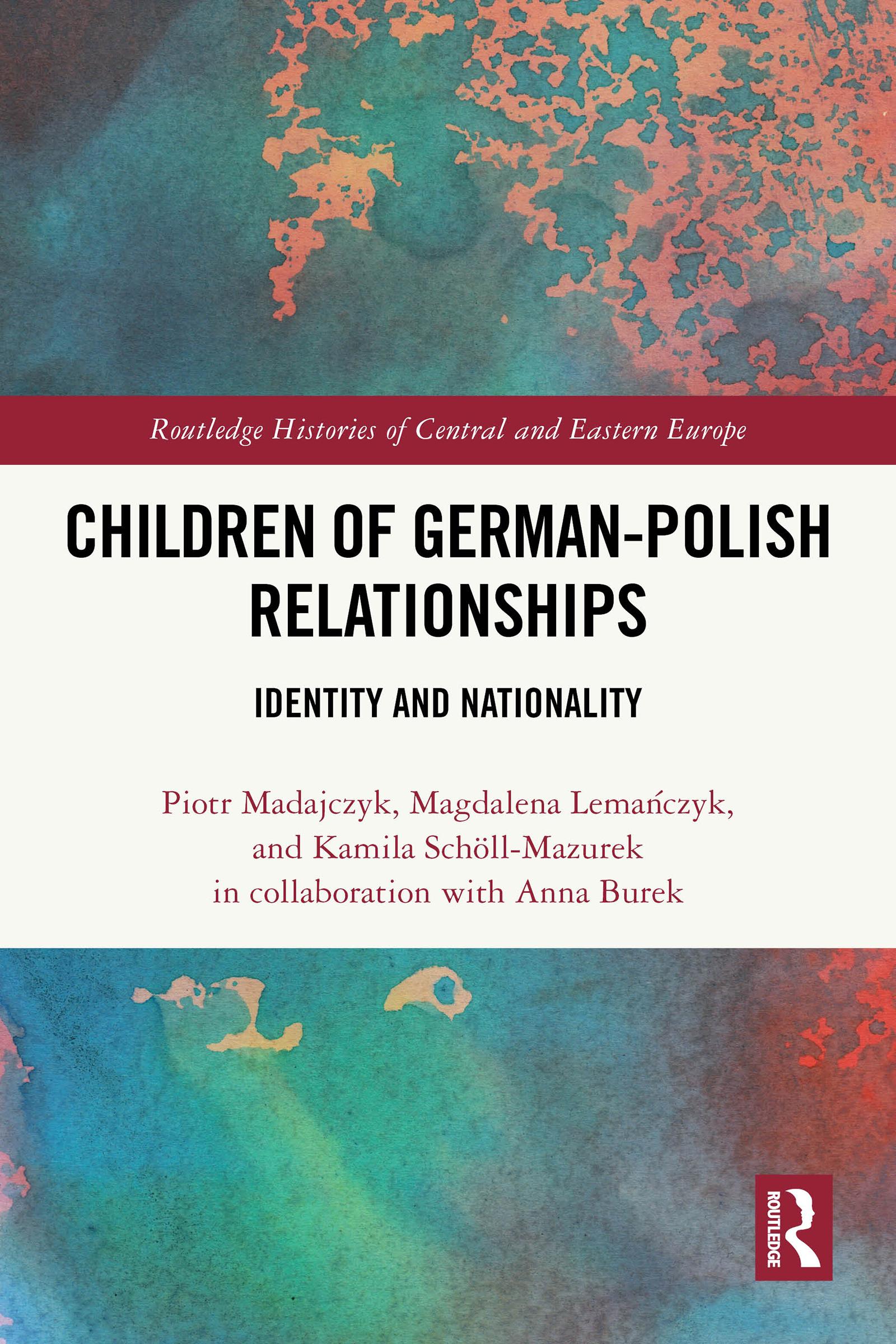
This book analyzes the process of national identity formation and identification of children born into formal and informal Polish-German relationships in Poland and Germany, and how that process is impacted by their upbringing at the intersection of two cultures.
The sociological-historical approach explores a wide range of processes in interethnic couples related to the case at hand, such as migration, acculturation, and assimilation, as well as integration and increased participation in the structures of the host country, ties with the country of origin, generational changes and decreasing knowledge of the native tongue, and developments affecting mixed partnerships and their children. Taking an original approach to its focus on the long-term relationships between bilingualism and biculturalism and their impact on national identity and identification, the book considers the future and significance of binational and interethnic families and their children in the European integration process and European identity.
This volume will appeal to sociologists, historians, political scientists, anthropologists, and linguists, and especially to students and scholars interested in the relations between national, linguistic, and political matters.
Betal enkelt med kort, Klarna, Apple Pay eller Google Pay. Ikke fornøyd? Du har alltid 14 dagers angrerett. Les mer i våre vilkår. Har du spørsmål, send oss en e-post på hello@memmo.org.
Memmo gjør det enklere å studere – uansett hvor du er i verden. Hos oss samler du pensumbøker og smarte studieverktøy på ett og samme sted: sammendrag, quizer, podkaster og flashcards. Og så Ted, din studiekompis som svarer på alt du lurer på. Over 50 000 studenter studerer allerede her – bygget for at du skal lære raskere og stresse mindre.