
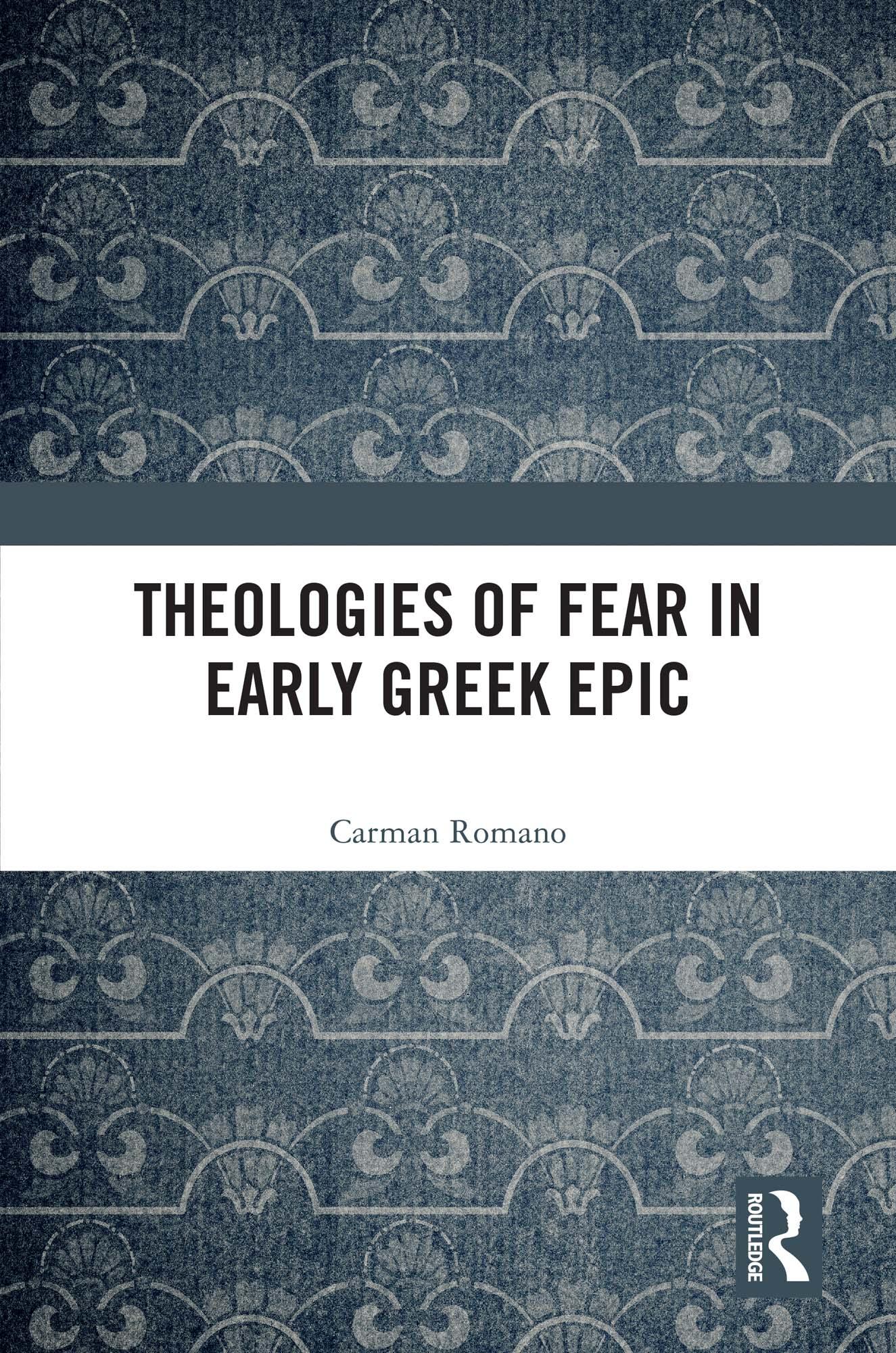
This book explores the theological significance of horror elements in the works of Hesiod and in the Homeric Hymns for the characters within these poems, the mortal audience consuming them, and the poet responsible for mythopoesis.
Theologies of Fear in Early Greek Epic argues that just as modern supernatural horror fiction can be analyzed to reveal popular conceptions of the divine, so too can the horrific elements in early Greek epic. Romano develops this analogy to show how myth-makers chose to include, omit, or nuance horror elements from their narratives in order to communicate theological messages. By employing methodological approaches from religious studies, classical studies, and literary studies of supernatural horror fiction, this book brings a fresh perspective to our understanding of how the Greeks viewed their gods and how poets helped to create that view.
Theologies of Fear in Early Greek Epic will be of interest to scholars in classical studies, religious studies, and comparative literature, as well as students in courses on myth, religion, and Greek culture and society.
Betal enkelt med kort, Klarna, Apple Pay eller Google Pay. Ikke fornøyd? Du har alltid 14 dagers angrerett. Les mer i våre vilkår. Har du spørsmål, send oss en e-post på hello@memmo.org.
Memmo gjør det enklere å studere – uansett hvor du er i verden. Hos oss samler du pensumbøker og smarte studieverktøy på ett og samme sted: sammendrag, quizer, podkaster og flashcards. Og så Ted, din studiekompis som svarer på alt du lurer på. Over 50 000 studenter studerer allerede her – bygget for at du skal lære raskere og stresse mindre.