
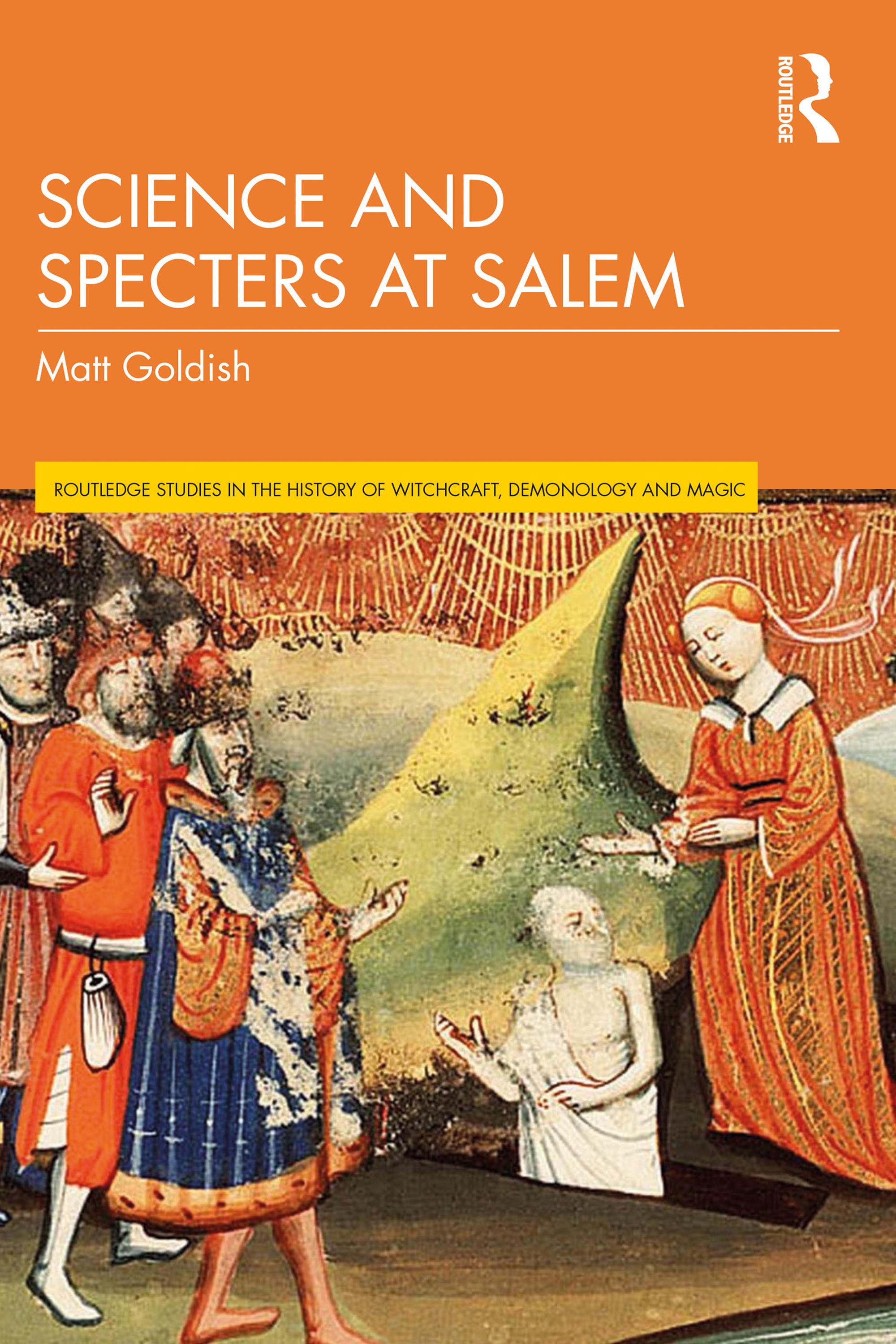
Most studies of the Salem witch trials focus on social history and the dynamics between accused and accusers. Science and Specters at Salem turns instead to the intellectual background of the judges to understand why they accepted controversial types of evidence.
The role of judges in a witch trial was central. Goldish argues that in Salem the judges' acceptance of questionable touch tests and spectral evidence was a result of their intellectual commitments. Several of the Salem judges were highly educated, and some of them were adherents of a particular philosophical school in England led by Henry More and Joseph Glanvill which Goldish calls "the anti-Sadducees." He demonstrates how the ideas of these leading thinkers, friends of Robert Boyle and Sir Isaac Newton, could have led to the deaths of twenty accused witches in Salem.
This book will interest students and scholars of witch trials, American colonial history, Atlantic history, legal history and early modern Europe, as well as lay readers wanting a better understanding of Salem.
Betal enkelt med kort, Klarna, Apple Pay eller Google Pay. Ikke fornøyd? Du har alltid 14 dagers angrerett. Les mer i våre vilkår. Har du spørsmål, send oss en e-post på hello@memmo.org.
Memmo gjør det enklere å studere – uansett hvor du er i verden. Hos oss samler du pensumbøker og smarte studieverktøy på ett og samme sted: sammendrag, quizer, podkaster og flashcards. Og så Ted, din studiekompis som svarer på alt du lurer på. Over 50 000 studenter studerer allerede her – bygget for at du skal lære raskere og stresse mindre.