
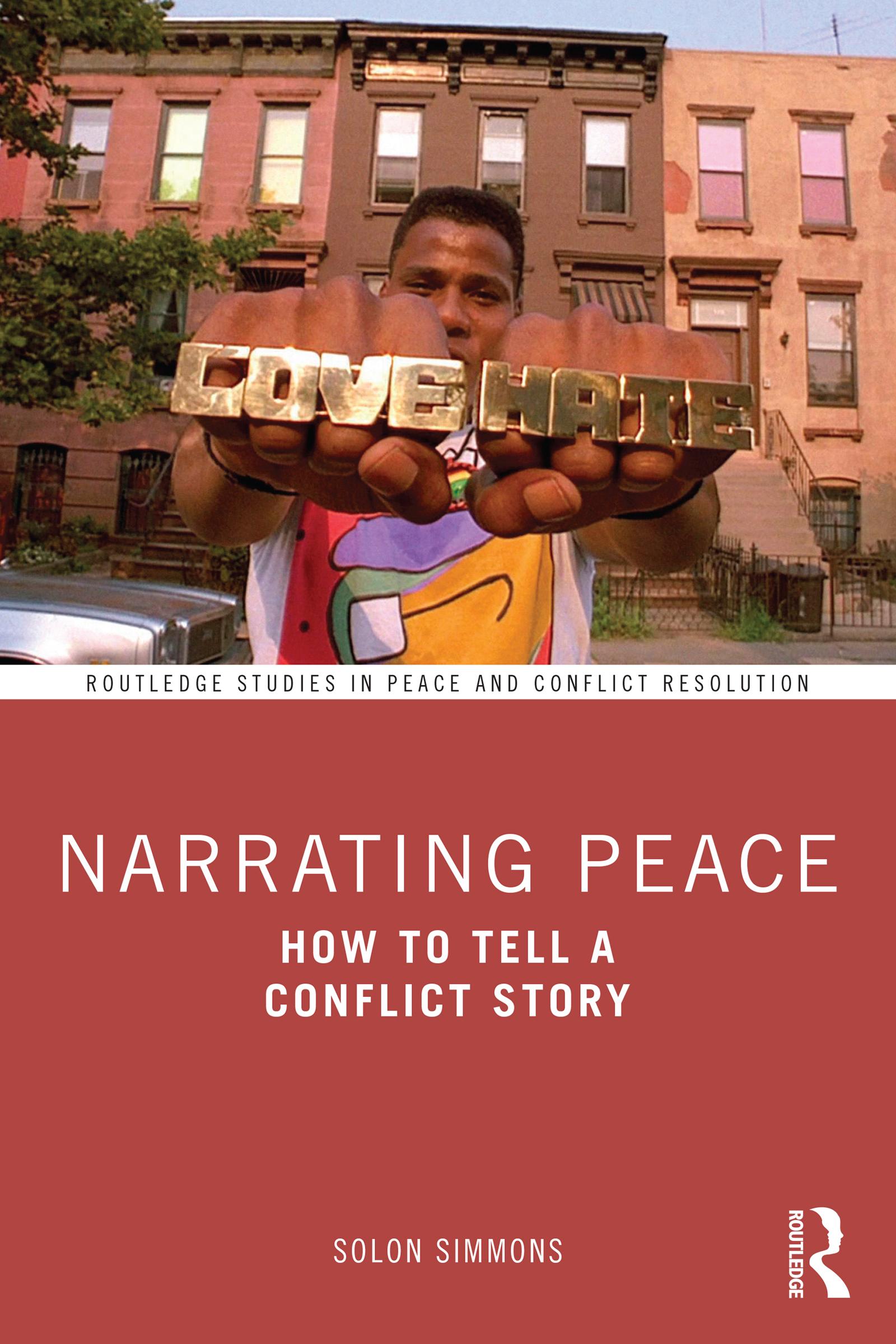
This book provides practical tools, models, and frameworks for thinking about how a story is structured, all in order to help us think about conflict. Using examples from literature and films for developing narrative competence in everyday life, the book illustrates a new model of four basic plot types that can push a reader/viewer either toward political struggle (a justice or vindication story) or toward a journey of self-realization (a peace or reconciliation story). The examples used in the book span a wide array of conflict situations, from climate change to native American genocide, from reproductive rights and gender-based violence to Algerian independence and Arab identity, from Jim Crow segregation and civil rights to the Vietnam War and colonial collapse, from Latino educational opportunities to the liberation of Bengal and the emergence of the idea of the Global South. This simple-to-use model of story grammar is integral for the practice of both politics and peacemaking and opens a new window on literary analysis and the craft of storytelling. Along the way, it provides us with a new way to understand human purpose and offers precise definitions of the concepts of peace and justice.
This book will be of great interest to students and practitioners of international relations, security studies, political theory, and peace and conflict/justice studies.
Betal enkelt med kort, Klarna, Apple Pay eller Google Pay. Ikke fornøyd? Du har alltid 14 dagers angrerett. Les mer i våre vilkår. Har du spørsmål, send oss en e-post på hello@memmo.org.
Memmo gjør det enklere å studere – uansett hvor du er i verden. Hos oss samler du pensumbøker og smarte studieverktøy på ett og samme sted: sammendrag, quizer, podkaster og flashcards. Og så Ted, din studiekompis som svarer på alt du lurer på. Over 50 000 studenter studerer allerede her – bygget for at du skal lære raskere og stresse mindre.