
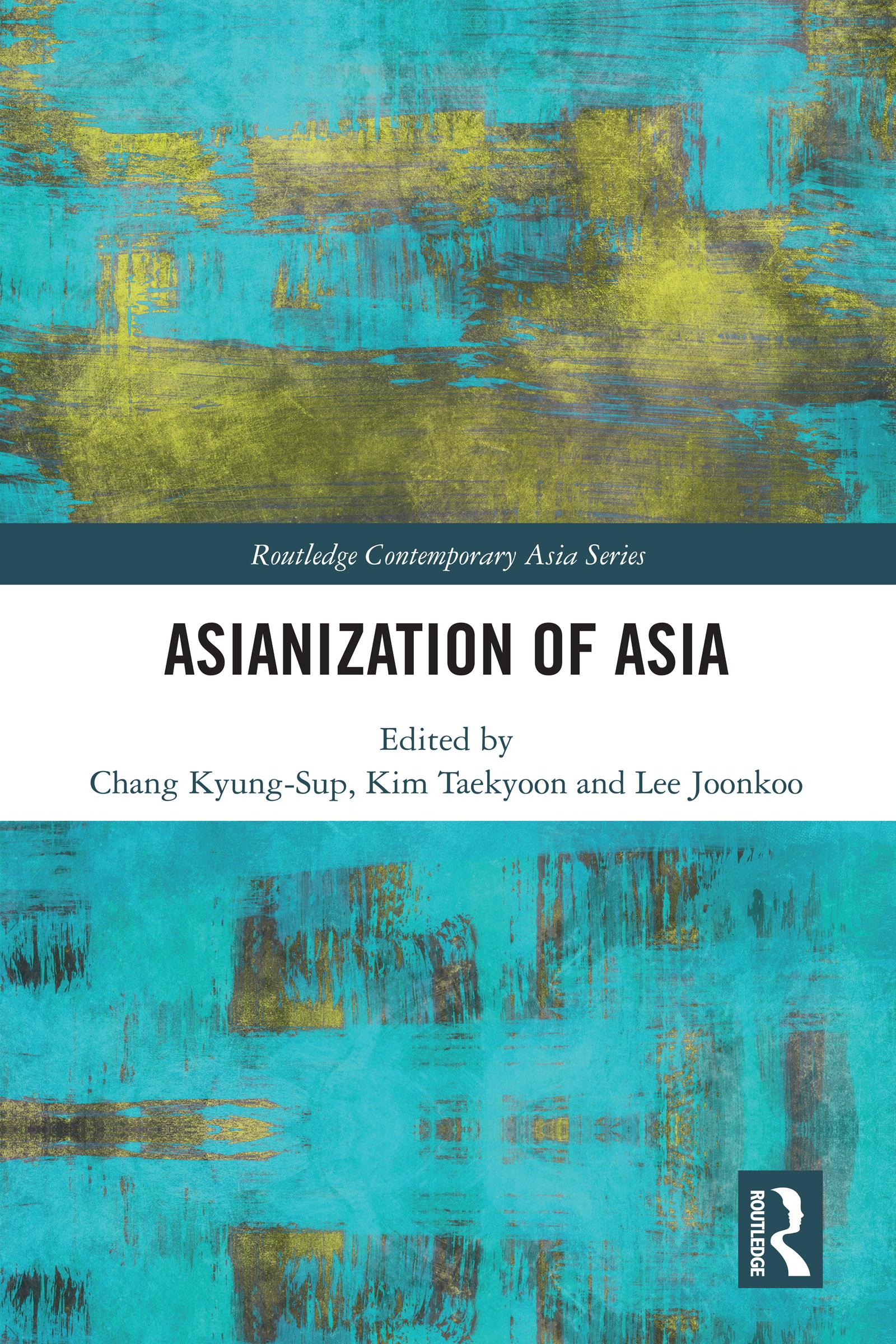
This book explores the Asianization of contemporary Asia, a trend that through neoliberal economic globalism has diluted the political effect of the EuroAmerican-dictated segmentation of Asia and instead facilitated and accelerated socioeconomic exchanges and collaborations among Asian nations themselves.
It comprehensively analyzes and interprets Asia’s Asianization in terms of intensification of intra-Asian interactions and flows in industrial, educational, sociopolitical and ecological spheres. Through such explorations, the book successfully reveals that Asia’s Asianization is particularly reflected in the major dimensions of regional industrial integration, transnational class relations, labor market regionalization, international educational mobility, regionalization of media and pop culture, transnational social movements and activisms, regionalized social governance for development cooperation and developmental mobilization of diasporic socioeconomic resources.
In particular, as an interdisciplinary study of Asia's industrial, social and cultural integration within and across Asian societies in both outbound and inbound directions, this book will be of huge interest to students and scholars of Asian politics, development and sociology.
Betal enkelt med kort, Klarna, Apple Pay eller Google Pay. Ikke fornøyd? Du har alltid 14 dagers angrerett. Les mer i våre vilkår. Har du spørsmål, send oss en e-post på hello@memmo.org.
Memmo gjør det enklere å studere – uansett hvor du er i verden. Hos oss samler du pensumbøker og smarte studieverktøy på ett og samme sted: sammendrag, quizer, podkaster og flashcards. Og så Ted, din studiekompis som svarer på alt du lurer på. Over 50 000 studenter studerer allerede her – bygget for at du skal lære raskere og stresse mindre.