
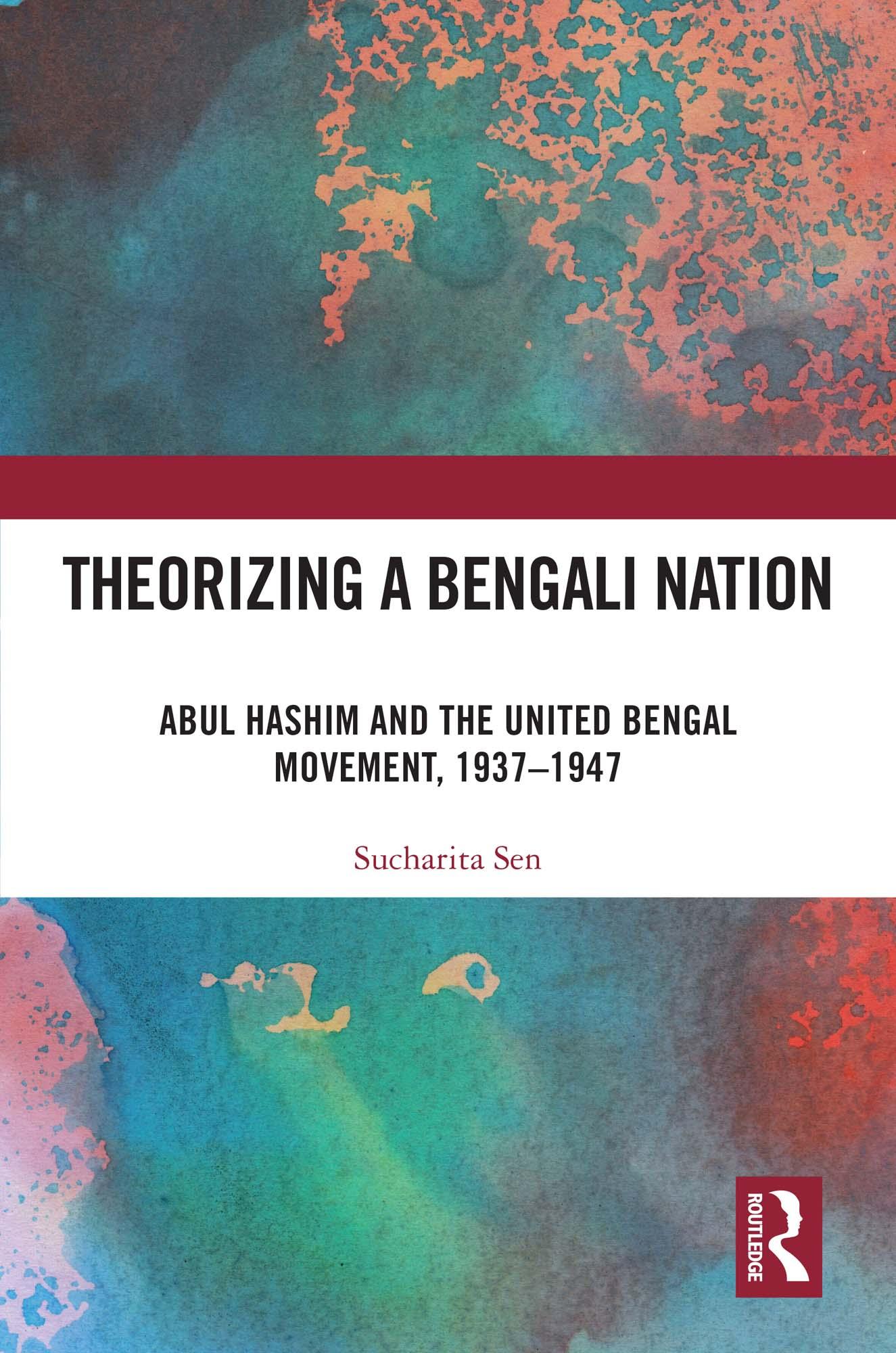
This book explores the philosophical and political roots of the United Bengal movement of 1947 that emerged as a final bid to keep the province united against Partition. Through Abul Hashim, one of its architects, it explores the idea of an independent Bengali nation in the years preceding Independence and examines the underlying tensions of the concept of a Muslim-led independent Bangalistaan and its repercussions on a sizeable Hindu minority. Focusing on Hashim’s writings and political contributions, this monograph highlights his vision of an aesthetic identity rooted within religious principles as well as civic ideals in a new united Bengal, where common law underwritten through religious ideals did not need to be necessarily opposed to western discourses of a modern state.
A major, new intervention, this book will be of great interest to scholars and researchers of modern Indian history, especially the Partition, politics, and South Asian studies.
Betal enkelt med kort, Klarna, Apple Pay eller Google Pay. Ikke fornøyd? Du har alltid 14 dagers angrerett. Les mer i våre vilkår. Har du spørsmål, send oss en e-post på hello@memmo.org.
Memmo gjør det enklere å studere – uansett hvor du er i verden. Hos oss samler du pensumbøker og smarte studieverktøy på ett og samme sted: sammendrag, quizer, podkaster og flashcards. Og så Ted, din studiekompis som svarer på alt du lurer på. Over 50 000 studenter studerer allerede her – bygget for at du skal lære raskere og stresse mindre.