
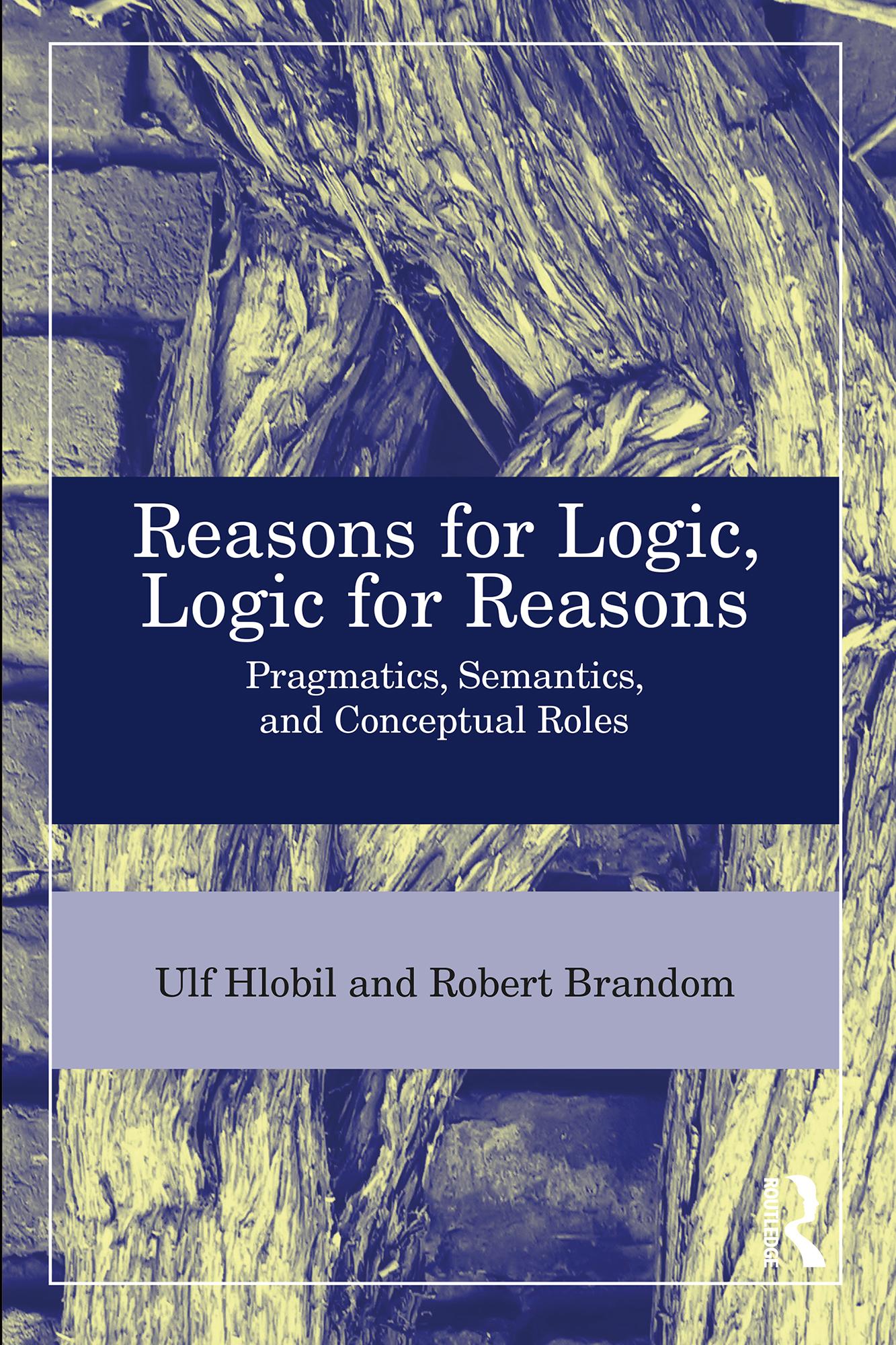
Reasons for Logic, Logic for Reasons presents a philosophical conception of logic—“logical expressivism”—according to which the role of logic is to make explicit reason relations, which are often neither monotonic nor transitive. This conception of logic reveals new and enlightening perspectives on inferential roles, sequent calculi, representation, truthmakers, and many extant logical theories.
The book shows how we can understand different metavocabularies as making explicit the same reason relations, namely normative-pragmatic, alethic-representational, logical, and “implication-space” metavocabularies. This includes a philosophical account of the pragmatic role of reason relations, treatments of nonmonotonic and nontransitive consequence relations in sequent calculi, a correspondence between these sequent calculi and variants of truthmaker theory, and the introduction of a novel kind of formal semantics that interprets sentences by assigning inferential roles to them. The book thus offers logical expressivists and semantic inferentialists new ways to understand logic, content, inferential roles, representation, and reason relations.
This book will appeal to researchers and graduate students who are interested in the philosophy of logic, in reasons and reasoning, in theories of meaning and content, or in nonmonotonic and nontransitive logics.
Betal enkelt med kort, Klarna, Apple Pay eller Google Pay. Ikke fornøyd? Du har alltid 14 dagers angrerett. Les mer i våre vilkår. Har du spørsmål, send oss en e-post på hello@memmo.org.
Memmo gjør det enklere å studere – uansett hvor du er i verden. Hos oss samler du pensumbøker og smarte studieverktøy på ett og samme sted: sammendrag, quizer, podkaster og flashcards. Og så Ted, din studiekompis som svarer på alt du lurer på. Over 50 000 studenter studerer allerede her – bygget for at du skal lære raskere og stresse mindre.