
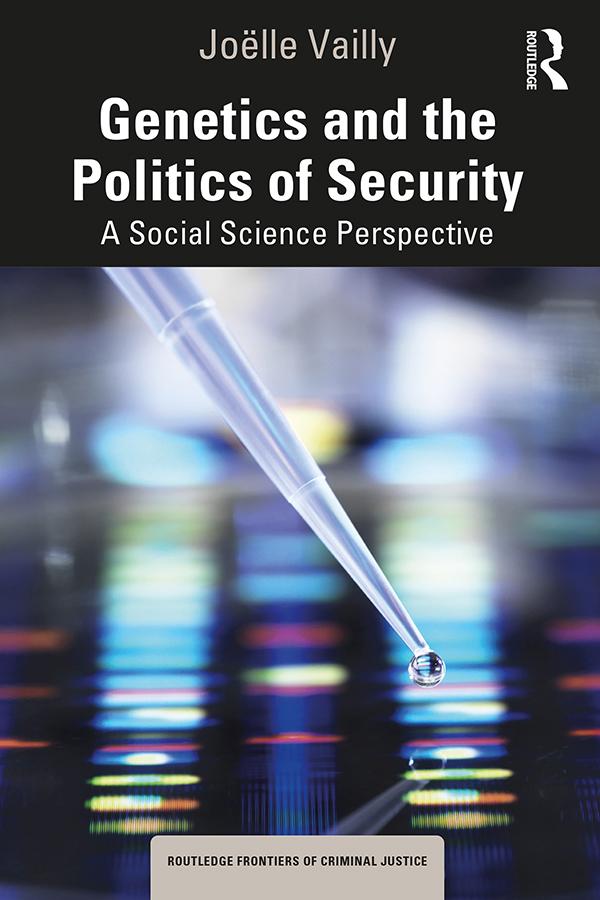
Presenting a social science perspective on the contemporary gaze on the body of the suspect, this book considers how definitions of criminality, offenses, individual rights, and the concepts of identity and difference have been altered by changes in the biological status of the human.
Spurred by rapid developments in genetics and information technology, a number of countries, including France, the United States, the United Kingdom, China, and the Netherlands, have considerably expanded their genetic databases used by the police and the criminal justice system. Whilst this makes it possible to compare DNA left at the scene of a crime with that of an individual known to the police, helping to identify individuals for the purposes of court proceedings, these innovations also raise a number of important questions, such as how the relationship between respect for the rights of individuals and the security of populations is discussed, as well as for how long this data should be retained. Genetic analysis also raises concerns related to phenotyping and “biogeographical origin” that could lead to the stigmatization of targeted groups.
Offering a comprehensively argued view on how DNA acts not only as a tracker of suspicion but also as a marker of contemporary social developments, Genetics and the Politics of Security will appeal to students and scholars, judiciary personnel, lawyers, police officers, and people with an interest in criminology and the use of genetics in the criminal justice process.
Betal enkelt med kort, Klarna, Apple Pay eller Google Pay. Ikke fornøyd? Du har alltid 14 dagers angrerett. Les mer i våre vilkår. Har du spørsmål, send oss en e-post på hello@memmo.org.
Memmo gjør det enklere å studere – uansett hvor du er i verden. Hos oss samler du pensumbøker og smarte studieverktøy på ett og samme sted: sammendrag, quizer, podkaster og flashcards. Og så Ted, din studiekompis som svarer på alt du lurer på. Over 50 000 studenter studerer allerede her – bygget for at du skal lære raskere og stresse mindre.