
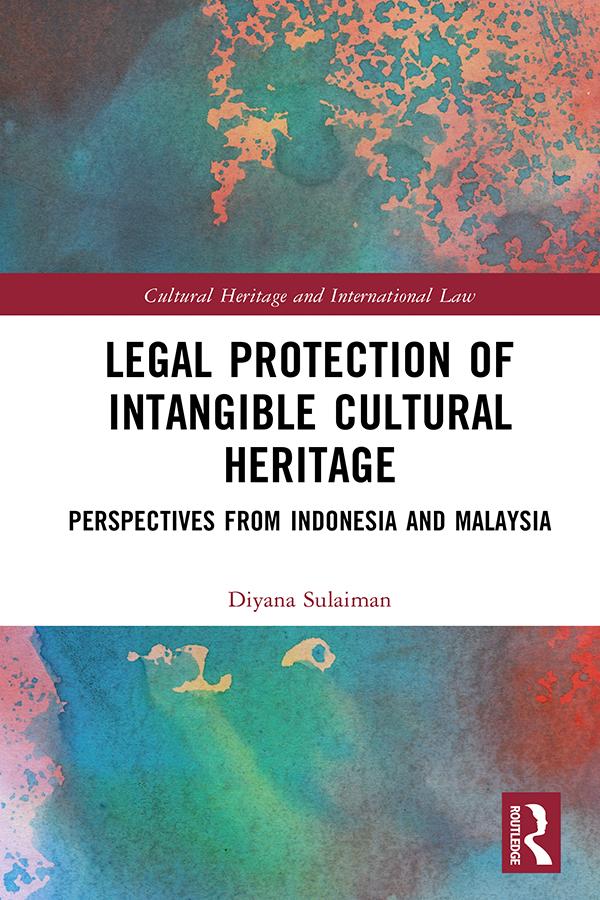
The book examines whether the protection of Intangible Cultural Heritage (ICH) by Indonesia and Malaysia upheld the interests of the various communities from which the cultural heritage originates, and whether the laws recognise that cultural heritage is often shared with other states and communities.
The legal classifications of various indigenous communities and the interpretations of ‘indigeneity’ in the two countries have presented problems in the context of ICH protection. The state is regarded as holding the intellectual property rights for some forms of ICH and this also posed problems in the implementation of the laws to protect the communities’ ICH. This book employs a community-based perspective and adopts a multidisciplinary approach in exploring questions of the rights to and benefits of heritage.
This book will be useful for students, academics and policy makers with an interest in international law, heritage and intellectual property rights.
Betal enkelt med kort, Klarna, Apple Pay eller Google Pay. Ikke fornøyd? Du har alltid 14 dagers angrerett. Les mer i våre vilkår. Har du spørsmål, send oss en e-post på hello@memmo.org.
Memmo gjør det enklere å studere – uansett hvor du er i verden. Hos oss samler du pensumbøker og smarte studieverktøy på ett og samme sted: sammendrag, quizer, podkaster og flashcards. Og så Ted, din studiekompis som svarer på alt du lurer på. Over 50 000 studenter studerer allerede her – bygget for at du skal lære raskere og stresse mindre.