
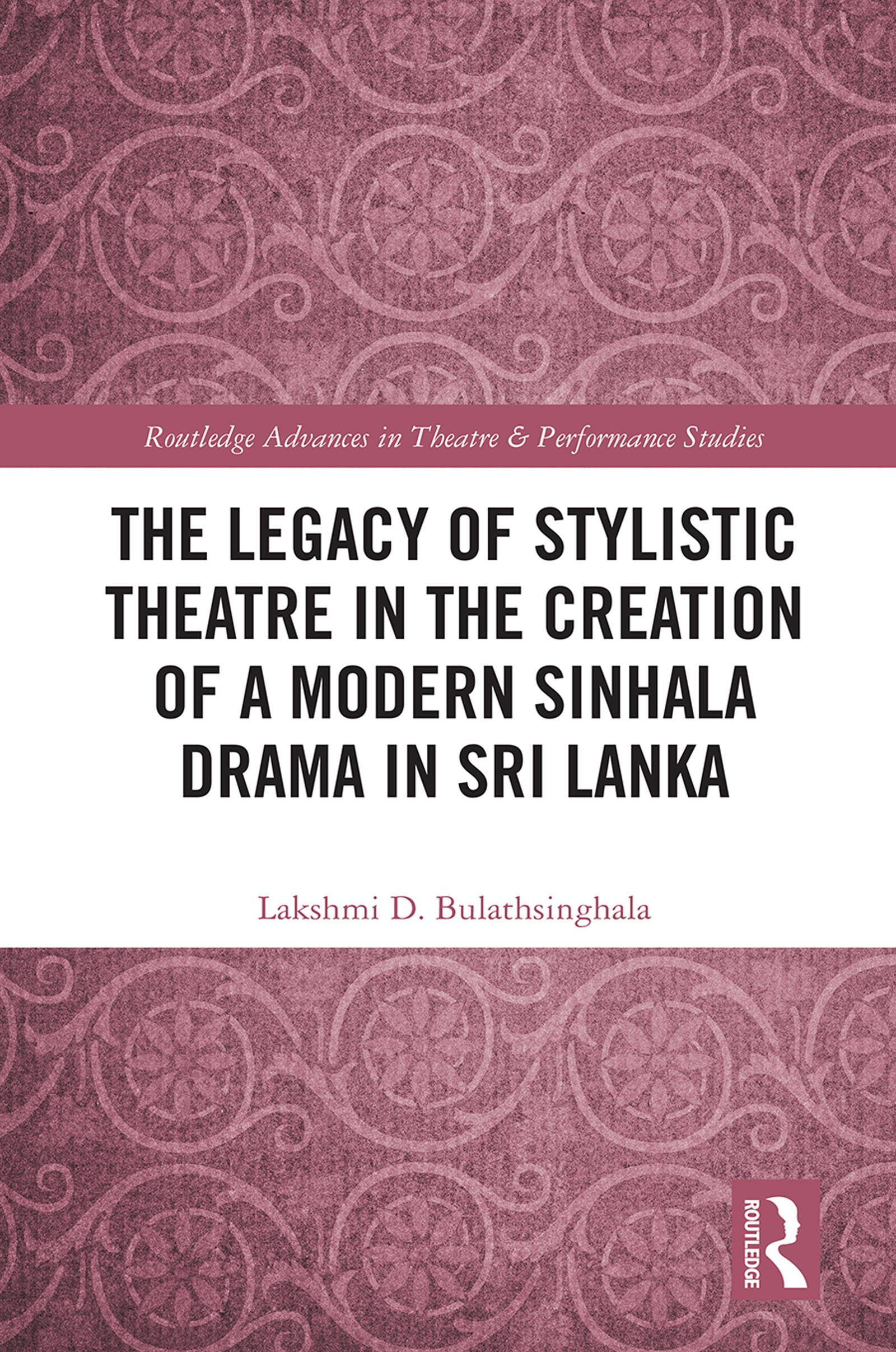
This book explores the development of Sinhala stylistic drama from its earliest manifestations to the post-independence era.
Bulathsinghala examines the impact of indigenous and imported folk theatrical forms on the work of the most significant postcolonial stylistic dramatists and on key plays that they produced. In the process, the book explores a number of myths and misunderstandings regarding Sri Lanka’s folk heritage and seeks to establish more reliable information on the principal indigenous Sri Lankan folk dramatic forms and their characteristics. At the same time, by drawing connections between folk drama and the post-independence stylistic theatrical movement, the author demonstrates the essential role of the former in Sinhala culture prior to the advent of Western and other influences and shows how both continue to inflect Sri Lankan drama today.
This book will help to open the field of South Asian drama studies to an audience consisting not only of scholars and students but also of general readers who are interested in the fields of drama and theatre and Asian studies.
Betal enkelt med kort, Klarna, Apple Pay eller Google Pay. Ikke fornøyd? Du har alltid 14 dagers angrerett. Les mer i våre vilkår. Har du spørsmål, send oss en e-post på hello@memmo.org.
Memmo gjør det enklere å studere – uansett hvor du er i verden. Hos oss samler du pensumbøker og smarte studieverktøy på ett og samme sted: sammendrag, quizer, podkaster og flashcards. Og så Ted, din studiekompis som svarer på alt du lurer på. Over 50 000 studenter studerer allerede her – bygget for at du skal lære raskere og stresse mindre.