
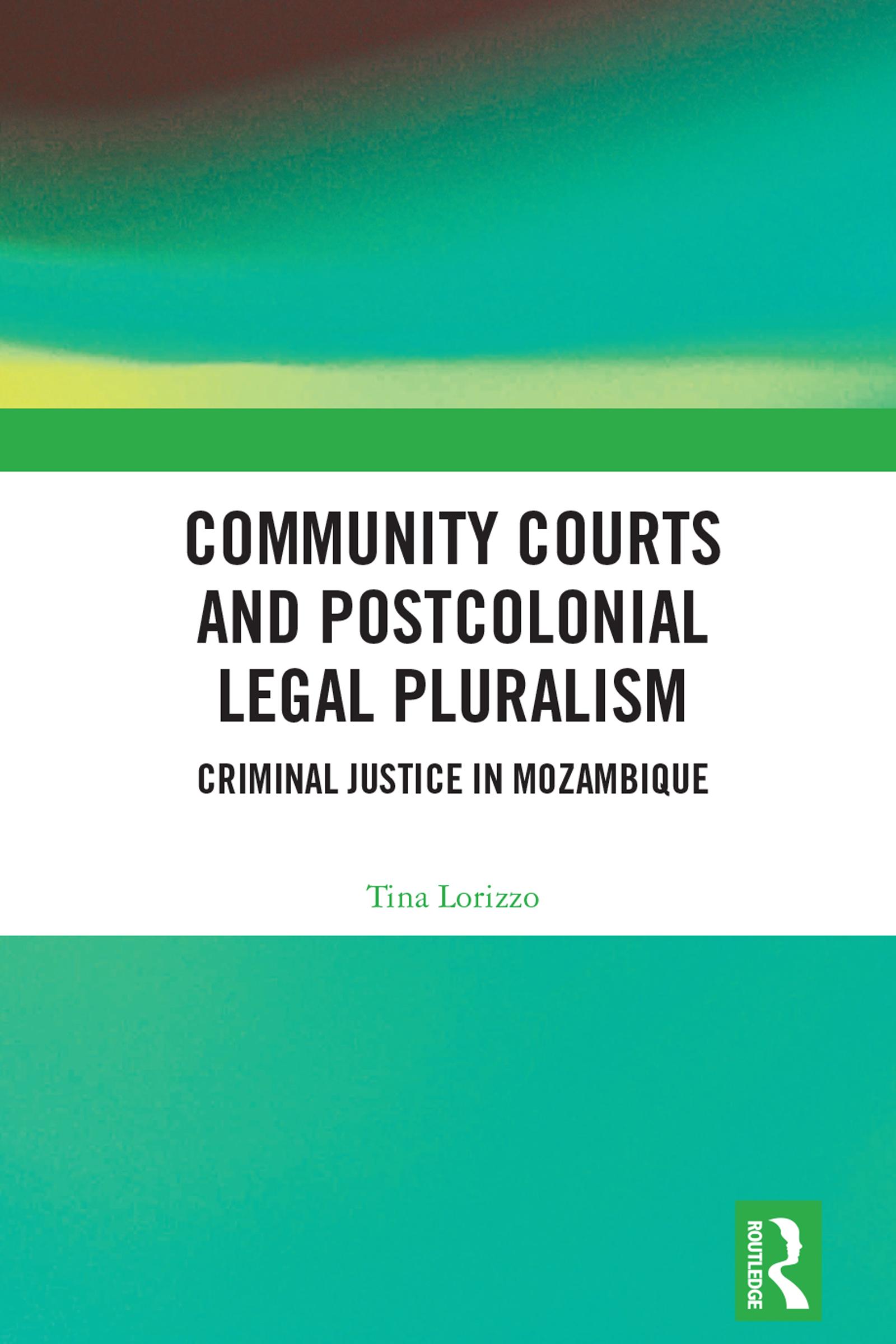
By focusing on the role of community courts in Mozambique, this book offers a postcolonial perspective on legal pluralism. In Mozambique, judicial courts are distant and expensive, and legal terminology is incomprehensible to the majority of people. As such, Mozambicans continue to rely on different normative systems to resolve their disputes – systems that have always been considered to be closer, cheaper and faster than judicial courts. This book analyses the functioning of community courts in the Mozambican capital city of Maputo. As it considers how the past shapes the relationship of the state with community courts, the book uncovers the Eurocentrism of mainstream discourses and practices of criminal justice.
In response, it develops a postcolonial account of legal pluralism. By arguing that community courts can therefore be seen as the form of an otherwise neglected local knowledge, the book discusses their overlooked importance in improving widespread access to criminal justice.
This book will be of value to scholars working in the areas of legal pluralism and postcolonialism and others with interest in criminal justice.
Betal enkelt med kort, Klarna, Apple Pay eller Google Pay. Ikke fornøyd? Du har alltid 14 dagers angrerett. Les mer i våre vilkår. Har du spørsmål, send oss en e-post på hello@memmo.org.
Memmo gjør det enklere å studere – uansett hvor du er i verden. Hos oss samler du pensumbøker og smarte studieverktøy på ett og samme sted: sammendrag, quizer, podkaster og flashcards. Og så Ted, din studiekompis som svarer på alt du lurer på. Over 50 000 studenter studerer allerede her – bygget for at du skal lære raskere og stresse mindre.