
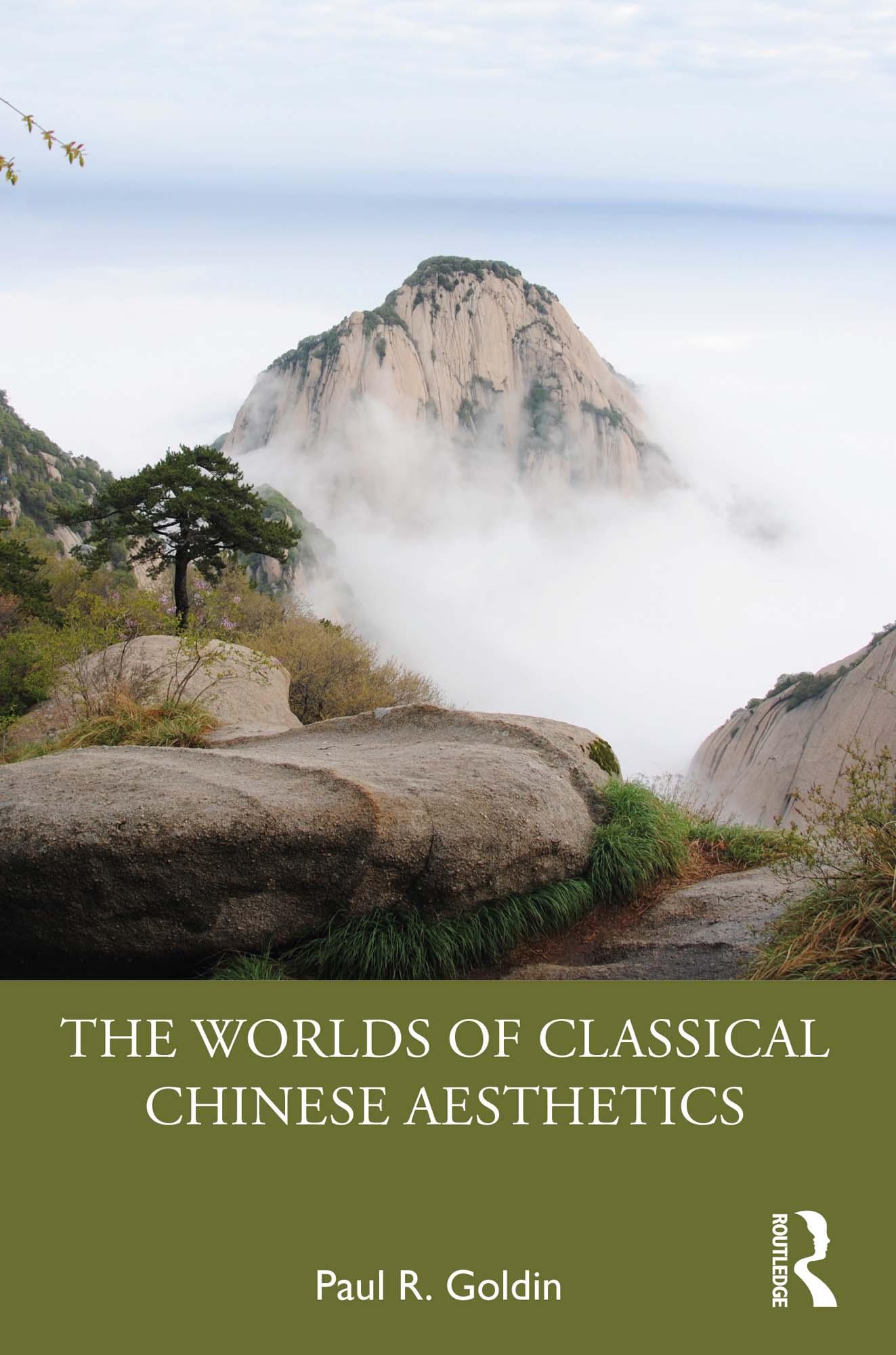
This book presents the foundations of classical Chinese aesthetic discourse - roughly from the Bronze Age to the early Middle Ages - with the following animating questions:
What is art?
Why do we produce it?
How do we judge it?
The arts that garnered the most theoretical attention during this time period were music, poetry, calligraphy, and painting, and this book considers the reasons why these four were privileged. Whereas modern artists most likely consider themselves musicians or poets or calligraphers or painters or sculptors or architects, the pre-modern authors who produced the literature that established Chinese aesthetics prided themselves on being wenren, “cultured people,” conversant with all forms of art and learning. Other comparisons with Western theories and works of art are presented at due junctures.
Key Features
- Addresses Chinese aesthetic discourse on its own terms
- Provides comparisons of key concepts and theories with examples from Western sources
- Includes more coverage of primary sources than any other English-language book on the subject
- Each chapter opens with a helpful summary, highlighting the chapter’s key themes
Betal enkelt med kort, Klarna, Apple Pay eller Google Pay. Ikke fornøyd? Du har alltid 14 dagers angrerett. Les mer i våre vilkår. Har du spørsmål, send oss en e-post på hello@memmo.org.
Memmo gjør det enklere å studere – uansett hvor du er i verden. Hos oss samler du pensumbøker og smarte studieverktøy på ett og samme sted: sammendrag, quizer, podkaster og flashcards. Og så Ted, din studiekompis som svarer på alt du lurer på. Over 50 000 studenter studerer allerede her – bygget for at du skal lære raskere og stresse mindre.