
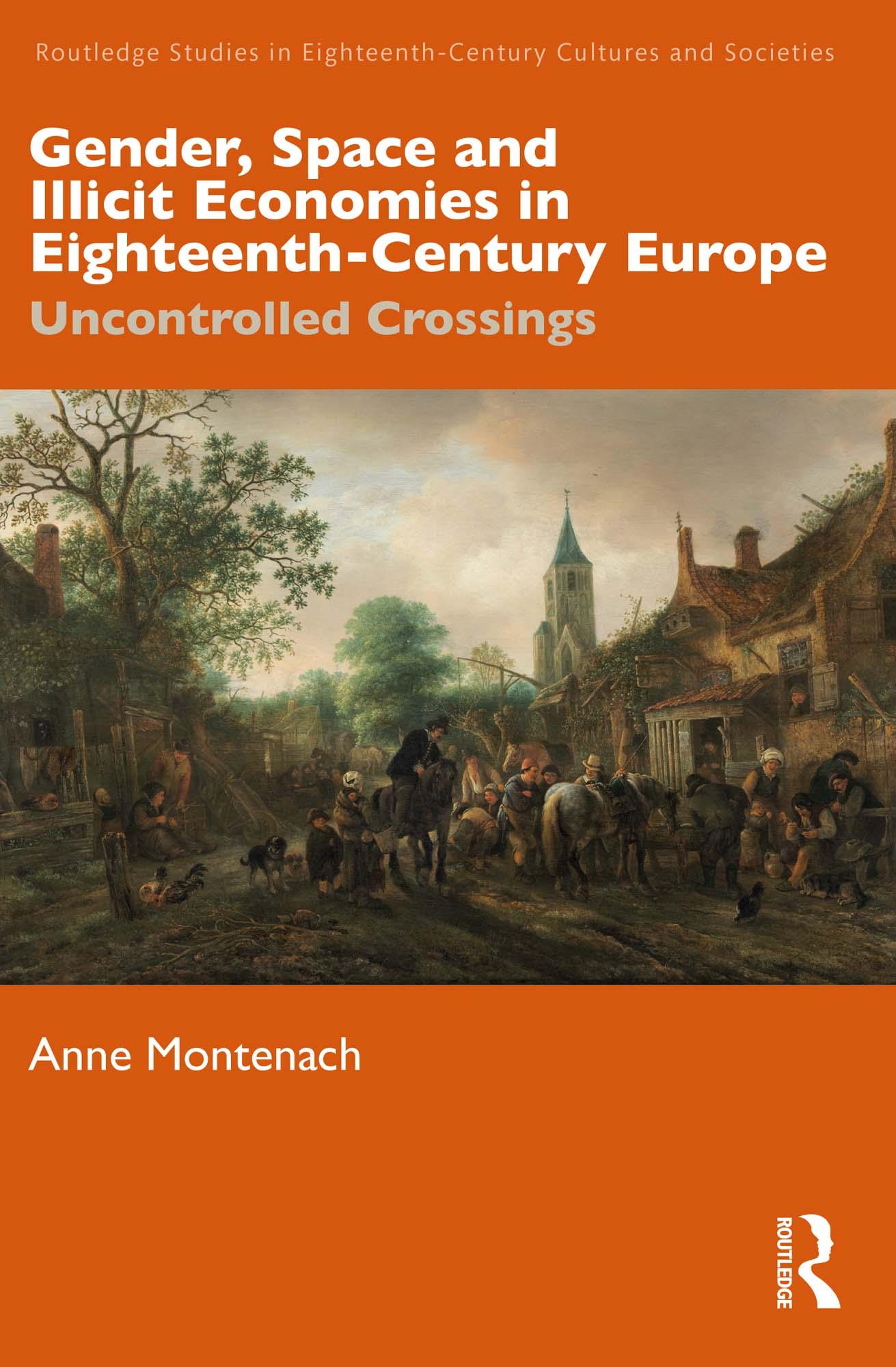
This book seeks to contribute a multi-dimensional, multi-layered and gendered approach to the illicit economy in the historiography of early modern Europe.
Using original source material from several countries, this volume concentrates on a border and transnational area—approximately the Lyon-Geneva-Turin triangle—located at the heart of European trade. It focuses on three products—salt, cotton and silk—all of which fuelled the black market between the last decades of the seventeenth century and the French Revolution. This volume offers an original contribution to wider studies of smuggling, illicit markets and women’s economic roles by taking into account the economic life of remote mountain communities and industrious cities.
Showing that irregular practices were a structural characteristic of early modern economies, it provides insight into the opportunities offered to women in a highly flexible economy where licit and illicit activities were intermingled in a very complex way.
This research monograph is aimed at a historical audience and constitutes a useful resource for students and scholars interested in gender history, social and economic history, urban history and French studies.
Betal enkelt med kort, Klarna, Apple Pay eller Google Pay. Ikke fornøyd? Du har alltid 14 dagers angrerett. Les mer i våre vilkår. Har du spørsmål, send oss en e-post på hello@memmo.org.
Memmo gjør det enklere å studere – uansett hvor du er i verden. Hos oss samler du pensumbøker og smarte studieverktøy på ett og samme sted: sammendrag, quizer, podkaster og flashcards. Og så Ted, din studiekompis som svarer på alt du lurer på. Over 50 000 studenter studerer allerede her – bygget for at du skal lære raskere og stresse mindre.