
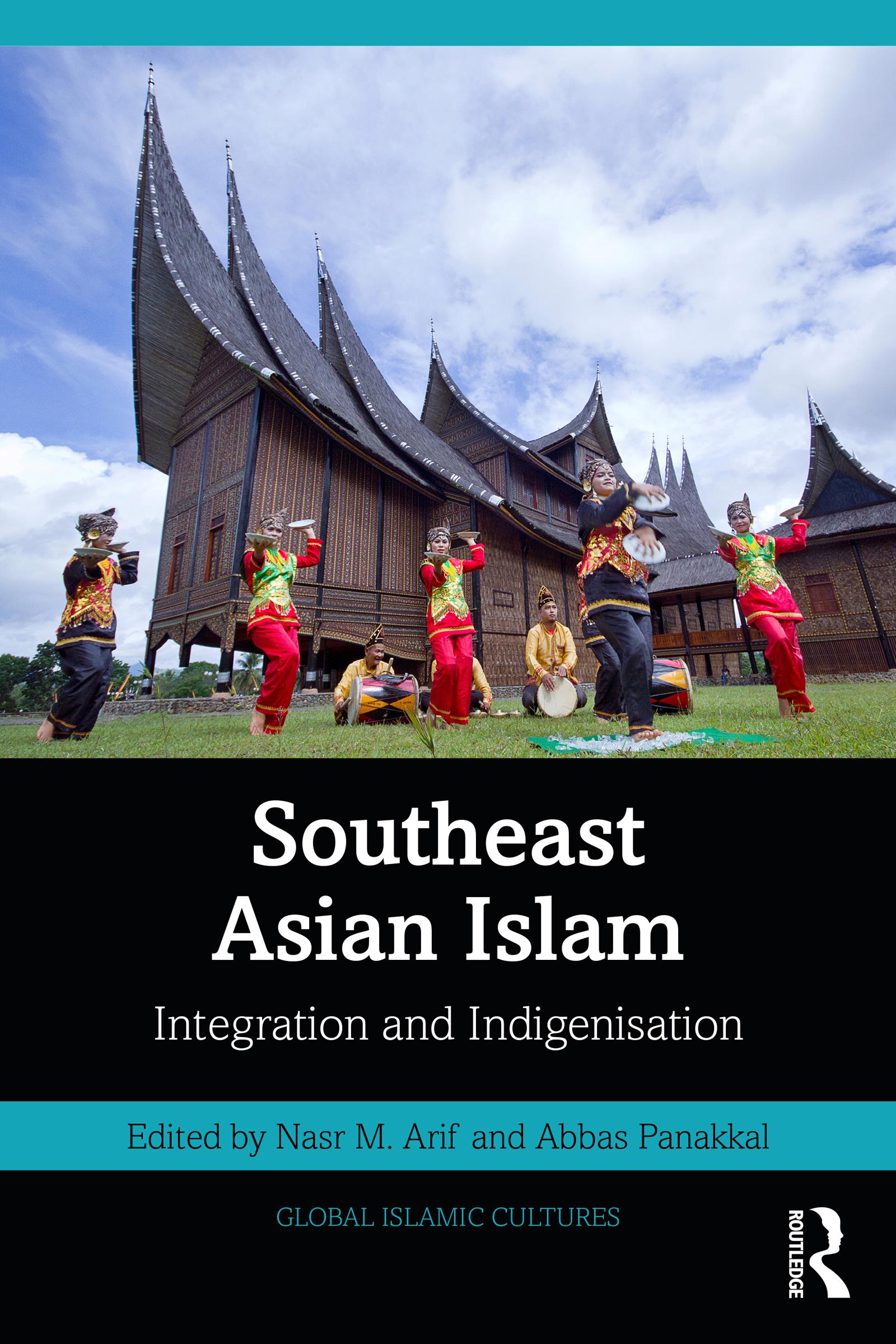
This book explores Muslim communities in Southeast Asia and the integration of Islamic culture with the diverse ethnic cultures of the region, offering a look at the practice of cultural and religious coexistence in various realms.
The volume traces the origins and processes of adoption, transmission, and adaptation of Islam by diverse ethnic communities such as the Malay, Acehnese, Javanese, Sundanese, the Bugis, Batak, Betawi, and Madurese communities, among others. It examines the integration of Islam within local politics, cultural networks, law, rituals, education, art, and architecture, which engendered unique regional Muslim identities.
Additionally, the book illuminates distinctive examples of cultural pluralism, cosmopolitanism, and syncretism that persisted in Islamic religious practices in the region owing to its maritime economy and reputation as a marketplace for goods, languages, cultures, and ideas.
As part of the Global Islamic Cultures series that investigates integrated and indigenized Islam, this book will be of interest to students and researchers of theology and religion, Islamic studies, religious history, political Islam, cultural studies, and Southeast Asian studies. It also offers an engaging read for general audiences interested in world religions and cultures.
Betal enkelt med kort, Klarna, Apple Pay eller Google Pay. Ikke fornøyd? Du har alltid 14 dagers angrerett. Les mer i våre vilkår. Har du spørsmål, send oss en e-post på hello@memmo.org.
Memmo gjør det enklere å studere – uansett hvor du er i verden. Hos oss samler du pensumbøker og smarte studieverktøy på ett og samme sted: sammendrag, quizer, podkaster og flashcards. Og så Ted, din studiekompis som svarer på alt du lurer på. Over 50 000 studenter studerer allerede her – bygget for at du skal lære raskere og stresse mindre.