
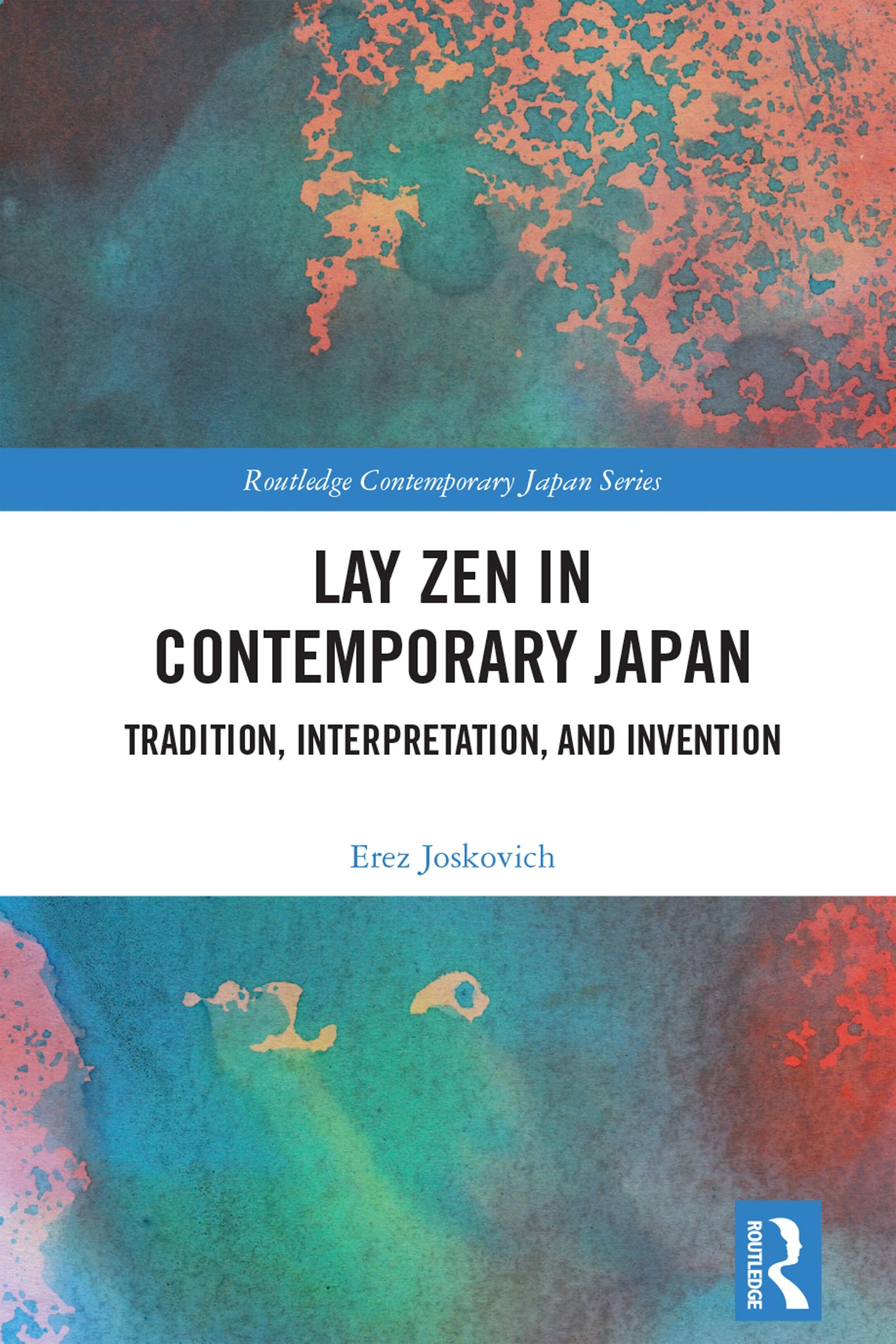
This book explores the emergence and growth of Zen as a non-monastic spiritual practice in modern Japan. Focusing on several prominent lay Zen associations, most notably Ningen Zen, it explores different aspects of lay Zen as a lived religion, such as organization, ideology, and ritual. Through a combined approach utilizing Buddhist text, historical sources, and ethnographic fieldwork, it explains how laypeople have appropriated religious authority and tailored Zen teachings to fit their needs and the zeitgeist.
Featuring the findings of three years of fieldwork, interviews, and archival research, the book comprehensively describes various Zen practices and explores their contemporary meaning and functions. It undermines the distinction between traditional or established Buddhism and the so-called New Religions, emphasizing instead the dynamic relations between tradition and interpretation.
Written in accessible language and offering insightful analysis, this book brings to light the essential role of lay Zen associations in modernizing Zen within Japan and beyond. It will be of interest to scholars and students of religious studies, particularly those studying Buddhism, Japanese society, and culture.
Betal enkelt med kort, Klarna, Apple Pay eller Google Pay. Ikke fornøyd? Du har alltid 14 dagers angrerett. Les mer i våre vilkår. Har du spørsmål, send oss en e-post på hello@memmo.org.
Memmo gjør det enklere å studere – uansett hvor du er i verden. Hos oss samler du pensumbøker og smarte studieverktøy på ett og samme sted: sammendrag, quizer, podkaster og flashcards. Og så Ted, din studiekompis som svarer på alt du lurer på. Over 50 000 studenter studerer allerede her – bygget for at du skal lære raskere og stresse mindre.