
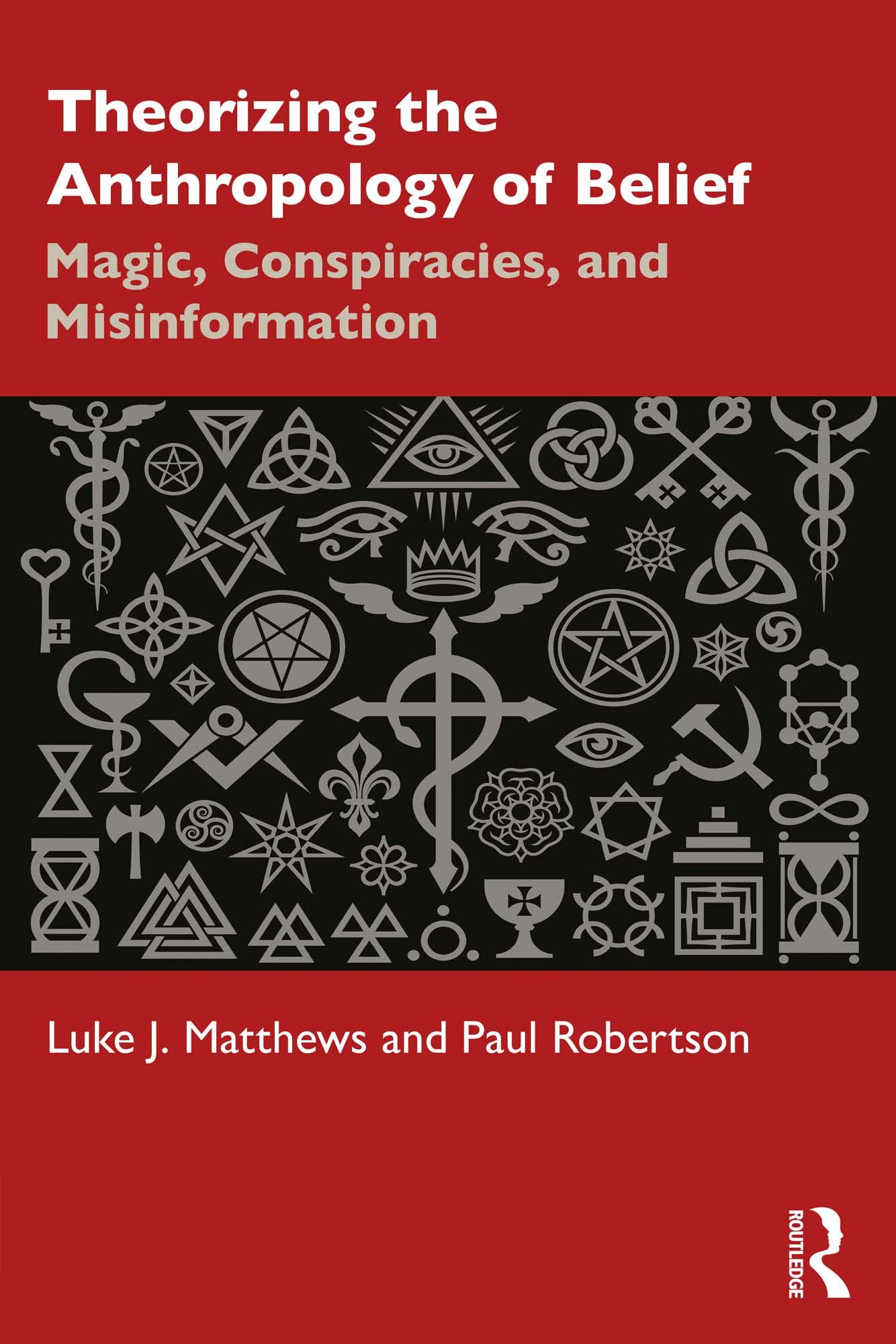
This book explores both scientific and humanistic theoretical traditions in anthropology through the lens of ontology.
The first part of the book examines different methods for generating valid anthropological knowledge and proposes a shift in current consensus. Drawing on Western scholars of antiquity and the medieval period and moving away from 20th-century theorists, it argues that we must first make ontological assumptions about the kinds of things that can exist (or not) before we can then develop epistemologies that study those kinds of things. The book goes on to apply the ontology-first theory to a set of case studies in modern day conspiracy theories, misinformation, and magical thinking. It asserts that we need to move away from unneeded metaphysical assumptions of conspiracy theories being misinformation and argues that reconstructing particular historical events can be a fruitful zone for application of quantitative methods to humanistic questions.
Theorizing the Anthropology of Belief is an excellent supplementary suitable for upper-level undergraduate and graduate courses in anthropological theory.
Betal enkelt med kort, Klarna, Apple Pay eller Google Pay. Ikke fornøyd? Du har alltid 14 dagers angrerett. Les mer i våre vilkår. Har du spørsmål, send oss en e-post på hello@memmo.org.
Memmo gjør det enklere å studere – uansett hvor du er i verden. Hos oss samler du pensumbøker og smarte studieverktøy på ett og samme sted: sammendrag, quizer, podkaster og flashcards. Og så Ted, din studiekompis som svarer på alt du lurer på. Over 50 000 studenter studerer allerede her – bygget for at du skal lære raskere og stresse mindre.