
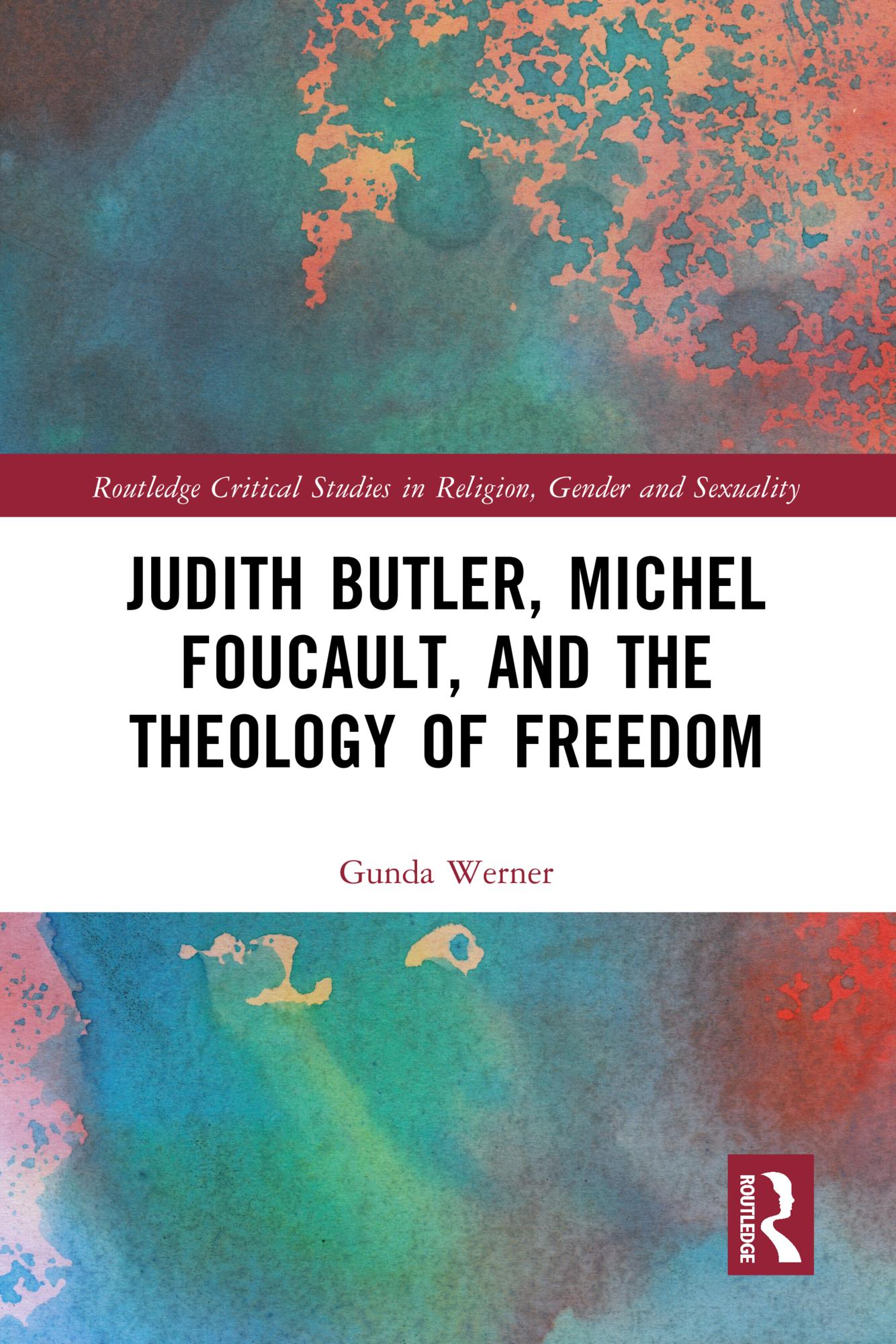
This book explores how Judith Butler’s work on gender and the shaping of the human subject and Michel Foucault's notion of parrhesia, ‘speaking the truth’, can be made fruitful for a theology of freedom. The volume illustrates the importance of three concepts - freedom, gender (body) and power (critique) - and how this triad provides the foundational categories and structural elements of a theology of freedom. By starting from an analysis of power and the performative potential of gendered embodiment, freedom can be thought of as the basis of creative and critical human action and thereby implemented in theology. The chapters feature several theological-historical case studies that are representative of topics that continue to shape contemporary Catholic norms and thought. In particular, the author reflects on the 13th century with the idea of personal sin and confession, and the 19th century with a gender ideology that has led to the marginalization of difference and dissent. The book shows how Butler and Foucault can provide essential insights for Catholic theology and is valuable reading for scholars of religion, philosophy, and gender and sexuality studies.
Betal enkelt med kort, Klarna, Apple Pay eller Google Pay. Ikke fornøyd? Du har alltid 14 dagers angrerett. Les mer i våre vilkår. Har du spørsmål, send oss en e-post på hello@memmo.org.
Memmo gjør det enklere å studere – uansett hvor du er i verden. Hos oss samler du pensumbøker og smarte studieverktøy på ett og samme sted: sammendrag, quizer, podkaster og flashcards. Og så Ted, din studiekompis som svarer på alt du lurer på. Over 50 000 studenter studerer allerede her – bygget for at du skal lære raskere og stresse mindre.