
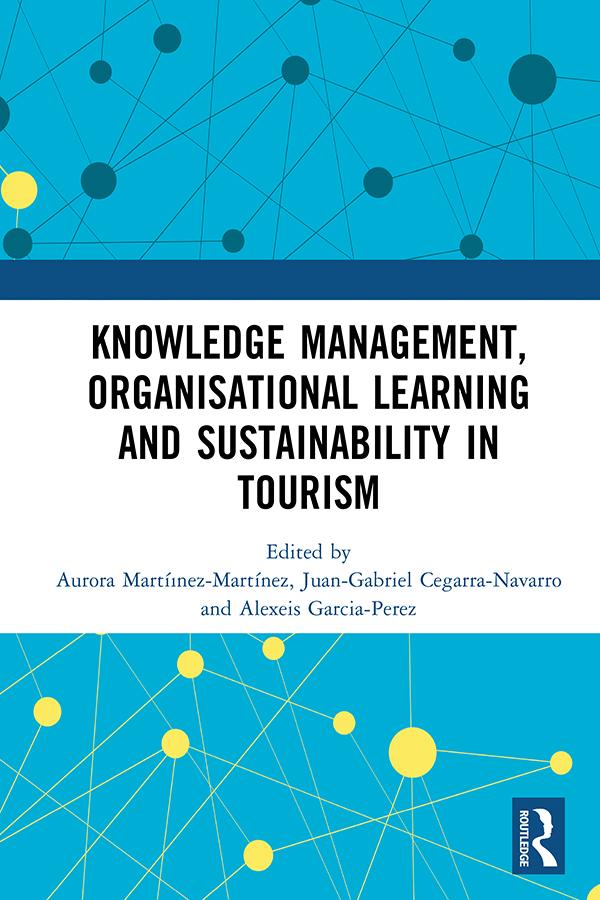
This book explores the link between environmental knowledge management and the sustainability challenges being faced by organisations, individuals and society. Comprising both theoretical and empirical chapters, the volume describes how knowledge management and organisational learning can help achieve a sustainable tourism sector.
Environmental knowledge has become one of the most important resources for organisations in the current competitive environment. Organisations need to turn their knowledge into agile structures to respond to the challenges resulting from current and future environmental challenges, and from increased competitiveness and social changes. It is therefore important for business decision-making processes to be based on environmental knowledge instead of relying on unconfirmed, often biased information. In this vein, reliable knowledge structures and a framework become an imperative for sustainable development. Development of these innovations shall be addressed through systematic mechanisms such as integration of sustainability and environmental issues, attention to technological innovation, improved absorptive capacity, targeting social challenges as well as investment in human resource development.
The book will be of great value to students and researchers of social sciences with a focus on tourism, human geography, marketing, knowledge management and environmental studies. The chapters in this book were originally published as a special issue of Journal of Sustainable Tourism.
Betal enkelt med kort, Klarna, Apple Pay eller Google Pay. Ikke fornøyd? Du har alltid 14 dagers angrerett. Les mer i våre vilkår. Har du spørsmål, send oss en e-post på hello@memmo.org.
Memmo gjør det enklere å studere – uansett hvor du er i verden. Hos oss samler du pensumbøker og smarte studieverktøy på ett og samme sted: sammendrag, quizer, podkaster og flashcards. Og så Ted, din studiekompis som svarer på alt du lurer på. Over 50 000 studenter studerer allerede her – bygget for at du skal lære raskere og stresse mindre.