
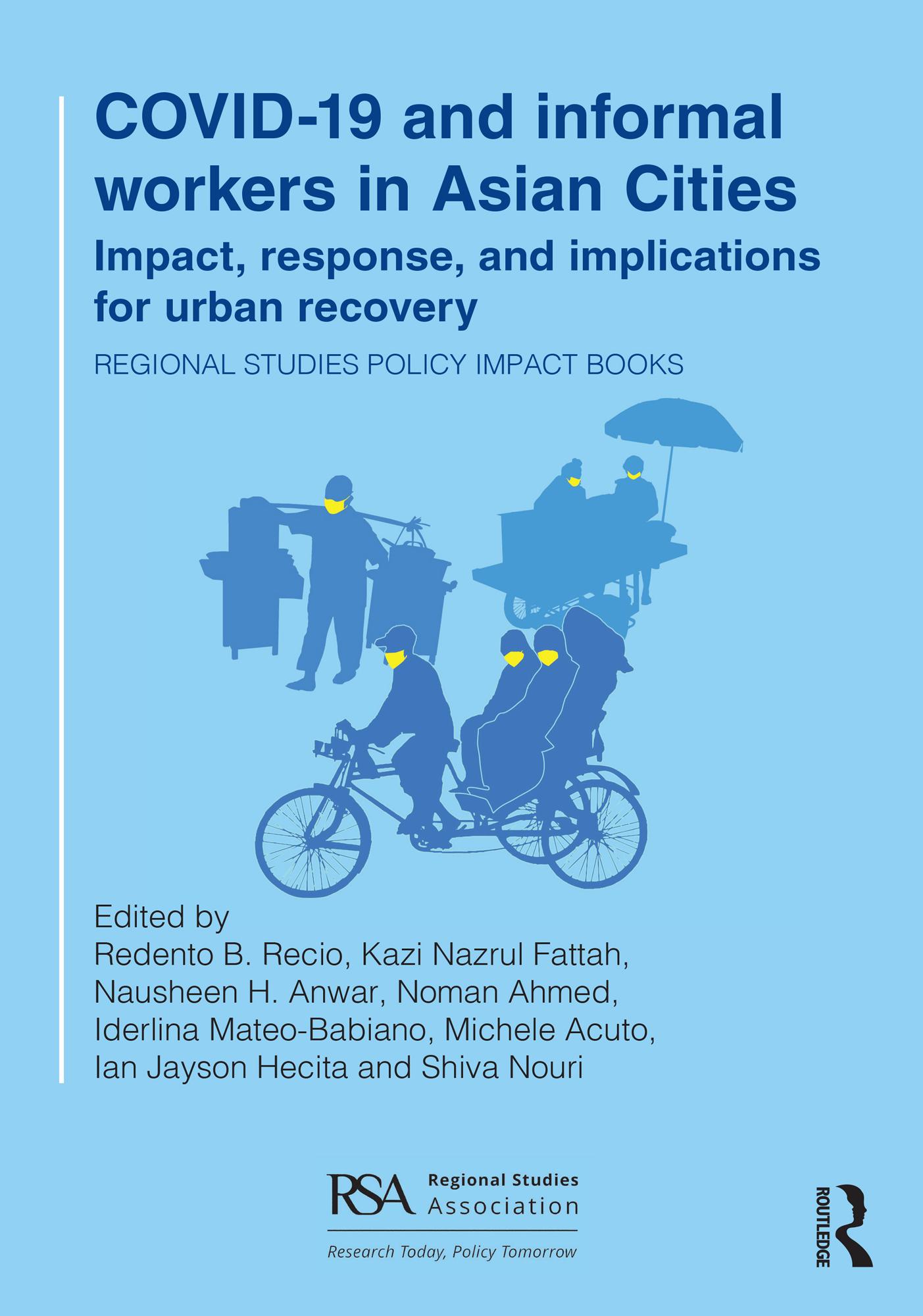
As COVID-19 took hold across local and international borders in 2020 and 2021, over 1.6 billion informal workers were estimated to have been adversely impacted by mobility restrictions and other 'lockdown' measures to tackle the coronavirus crisis. In the Global South, the pandemic has severely affected the sprawling megacities in Southeast and South Asia that have been driving urbanisation, and where there is a very high concentration of informal workers. This volume examines how informal workers were affected by the responses to the pandemic in five Asian megacities: Dhaka (Bangladesh), Hyderabad (India), Karachi (Pakistan), Jakarta (Indonesia), and Manila (Philippines).
Gathering voices and experiences from across these subregions, this book engages with issues surrounding state measures to manage the COVID-19 pandemic. The chapters present the gaps and lessons learned in addressing the needs of informal workers. They also shed light on grassroots solidarity initiatives, civic practices, and social networks that have cushioned the devastating effects of the crisis. The book ends with a discussion on the implications of identified state measures and citizen-led responses for (post) pandemic planning and urban governance in Asian cities in an age of recovery.
Betal enkelt med kort, Klarna, Apple Pay eller Google Pay. Ikke fornøyd? Du har alltid 14 dagers angrerett. Les mer i våre vilkår. Har du spørsmål, send oss en e-post på hello@memmo.org.
Memmo gjør det enklere å studere – uansett hvor du er i verden. Hos oss samler du pensumbøker og smarte studieverktøy på ett og samme sted: sammendrag, quizer, podkaster og flashcards. Og så Ted, din studiekompis som svarer på alt du lurer på. Over 50 000 studenter studerer allerede her – bygget for at du skal lære raskere og stresse mindre.