
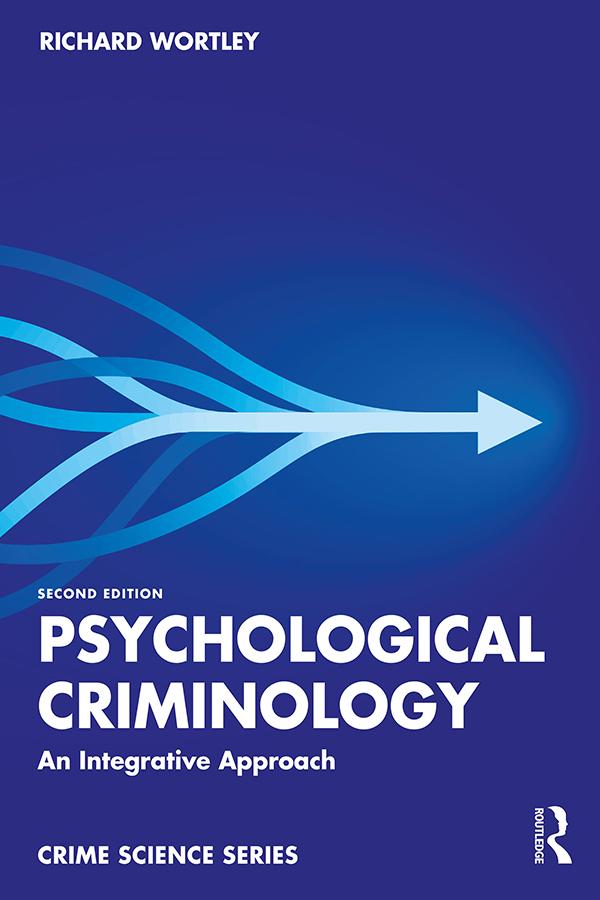
Psychological Criminology explores what is it about individuals and their experiences that causes them to commit crime and/or to become criminal.
Fully updated to include the latest theories and research, this new edition provides comprehensive coverage of psychological theories of crime and criminality. It arranges theories in temporal sequence, from distal to proximal causes of crime, and is organised under three key headings:
- theories that focus on factors present at birth (human nature, heredity);
- theories that focus on factors that influence the offender over the lifespan (learning and development);
- theories that focus on factors present at the crime scene.
The book emphasises the connections among the different approaches, and demonstrates how, taken together rather than as rival explanations, they provide a more complete picture of crime and criminality.
Psychological Criminology highlights the contributions that psychological theory can make to the broader field of criminology. It is essential reading for students, academics, researchers, and practitioners in both criminology and forensic psychology.
Betal enkelt med kort, Klarna, Apple Pay eller Google Pay. Ikke fornøyd? Du har alltid 14 dagers angrerett. Les mer i våre vilkår. Har du spørsmål, send oss en e-post på hello@memmo.org.
Memmo gjør det enklere å studere – uansett hvor du er i verden. Hos oss samler du pensumbøker og smarte studieverktøy på ett og samme sted: sammendrag, quizer, podkaster og flashcards. Og så Ted, din studiekompis som svarer på alt du lurer på. Over 50 000 studenter studerer allerede her – bygget for at du skal lære raskere og stresse mindre.