
Før Memmo var notatene mine spredt overalt i PDF-er. Nå samler et arbeidsområde alt på ett sted – jeg ser akkurat hva som gjenstår å studere.
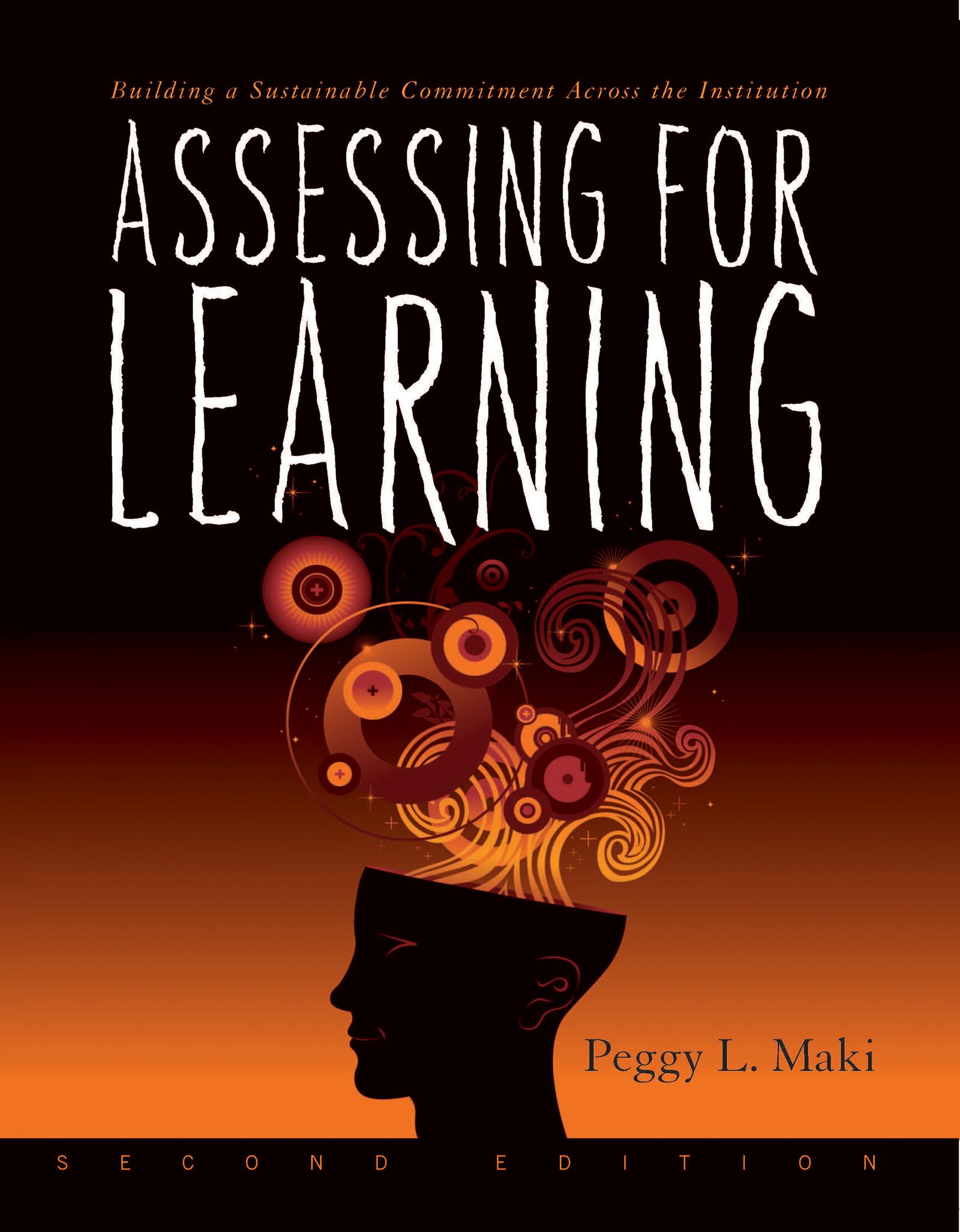
While there is consensus that institutions need to represent their educational effectiveness through documentation of student learning, the higher education community is divided between those who support national standardized tests to compare institutions’ educational effectiveness, and those who believe that valid assessment of student achievement is based on assessing the work that students produce along and at the end of their educational journeys. This book espouses the latter philosophy—what Peggy Maki sees as an integrated and authentic approach to providing evidence of student learning based on the work that students produce along the chronology of their learning. She believes that assessment needs to be humanized, as opposed to standardized, to take into account the demographics of institutions, as students do not all start at the same place in their learning. Students also need the tools to assess their own progress. In addition to updating and expanding the contents of her first edition to reflect changes in assessment practices and developments over the last seven years, such as the development of technology-enabled assessment methods and the national need for institutions to demonstrate that they are using results to improve student learning, Maki focuses on ways to deepen program and institution-level assessment within the context of collective inquiry about student learning. Recognizing that assessment is not initially a linear start-up process or even necessarily sequential, and recognizing that institutions develop processes appropriate for their mission and culture, this book does not take a prescriptive or formulaic approach to building this commitment. What it does present is a framework, with examples of processes and strategies, to assist faculty, staff, administrators, and campus leaders to develop a sustainable and shared core institutional process that deepens inquiry into what and how students learn to identify and improve patterns of weakness that inhibit learning. This book is designed to assist colleges and universities build a sustainable commitment to assessing student learning at both the institution and program levels. It provides the tools for collective inquiry among faculty, staff, administrators and students to develop evidence of students’ abilities to integrate, apply and transfer learning, as well as to construct their own meaning. Each chapter also concludes with (1) an Additional Resources section that includes references to meta-sites with further resources, so users can pursue particular issues in greater depth and detail and (2) worksheets, guides, and exercises designed to build collaborative ownership of assessment.The second edition now covers: * Strategies to connect students to an institution’s or a program’s assessment commitment* Description of the components of a comprehensive institutional commitment that engages the institution, educators, and students--all as learners* Expanded coverage of direct and indirect assessment methods, including technology-enabled methods that engage students in the process* New case studies and campus examples covering undergraduate, graduate education, and the co-curriculum* New chapter with case studies that presents a framework for a backward designed problem-based assessment process, anchored in answering open-ended research or study questions that lead to improving pedagogy and educational practices* Integration of developments across professional, scholarly, and accrediting bodies, and disciplinary organizations* Descriptions and illustrations of assessment management systems* Additional examples, exercises, guides and worksheets that align with new content
Før Memmo var notatene mine spredt overalt i PDF-er. Nå samler et arbeidsområde alt på ett sted – jeg ser akkurat hva som gjenstår å studere.
Memmos sammendrag er gull før eksamen. Jeg slipper å lese 800 sider to uker før – bare det viktigste.
AI-chatten har reddet meg kvelden før eksamen mer enn én gang. Jeg bare spør til jeg forstår – slipper å vente på svar i en studiegruppe.
Quizene treffer akkurat det jeg trenger å vite. Memmo holder styr på hva jeg sliter med – så jeg øver bare på det som er verdt det.
Flashcards med repetisjon over tid er magi. Memmo vet når jeg er i ferd med å glemme noe og viser det igjen.
AI-podkastene er min favoritt. Jeg lytter på vei til skolen og får en repetisjon uten å sitte foran en datamaskin.

Handbok i kvalitativa metoder
281 kr

Hållbar utveckling: en introduktion för ingenjörer och andra problemlösare
334 kr

Brymans Samhällsvetenskapliga metoder
390 kr

Projektledning
491 kr

Den orättvisa hälsan: om socioekonomiska skillnader i hälsa och livslängd
326 kr

Organizational Leadership
429 kr

Vetenskapsteori för nybörjare
196 kr

På väg mot läraryrket
172 kr

Det sociala livet i skolan: Socialpsykologiska perspektiv
253 kr

Betygsättningens didaktik
151 kr

Personality
402 kr

Studying Leadership
404 kr

Managing Innovation
477 kr

Introduktion till samhällsvetenskaplig metod
347 kr

The Psychology of Sex and Gender
698 kr

Introduction to Leadership
605 kr

Evidens och kunskap för socialt arbete
207 kr