
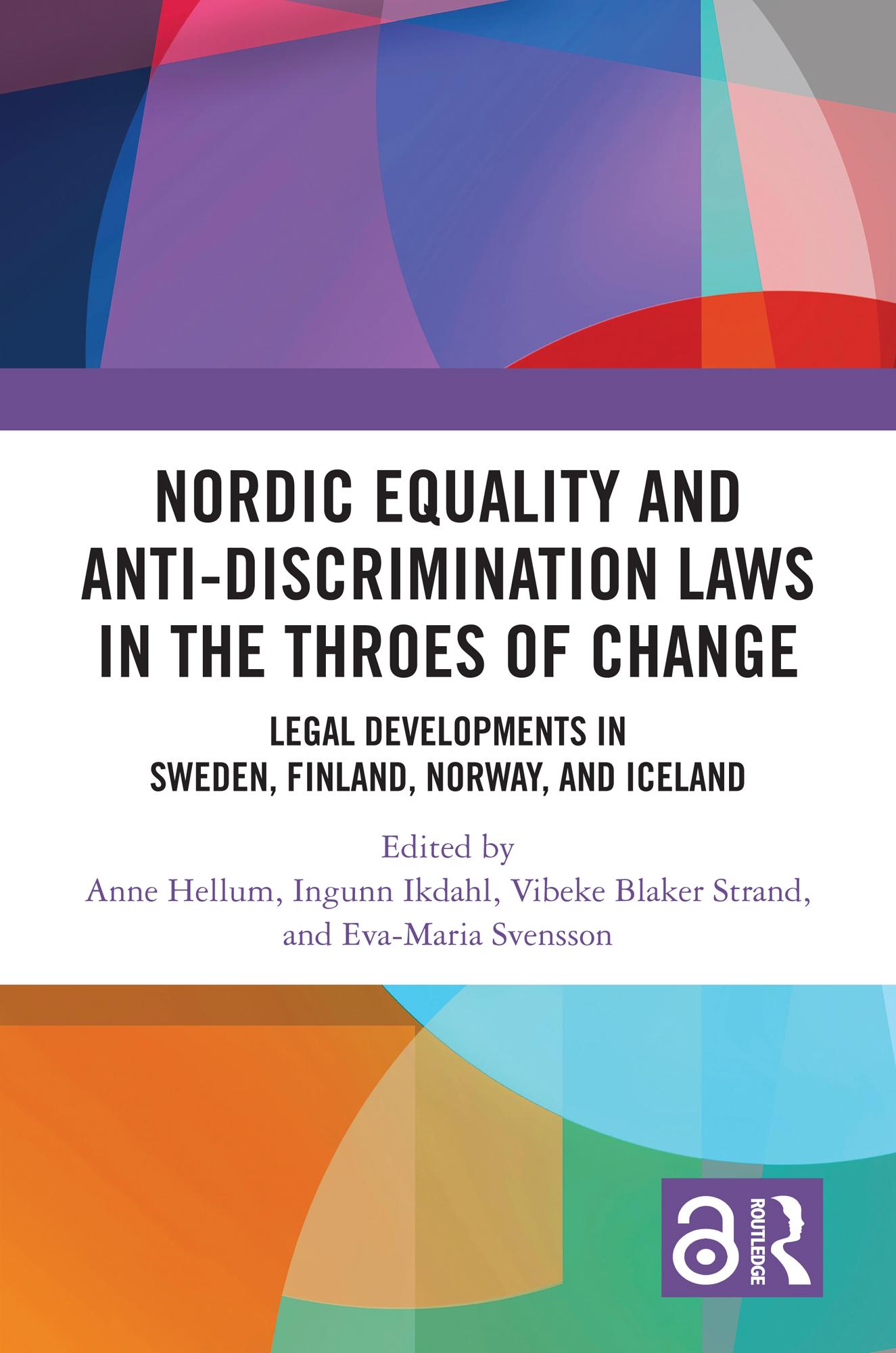
The Nordic states were among the first in the world to enact general gender equality and anti-discrimination laws with low threshold enforcement mechanisms. Today, the Nordic countries top the World Economic Forum’s Gender Gap Index –but they have still not succeeded in closing the gender gap. This book draws a diverse and complex picture of the long, uneven, and unfinished process towards substantive equality in four Nordic countries: Sweden, Finland, Norway, and Iceland. It presents the Nordic gender equality model’s systematic use of three measures: overarching gender policies, legislation that has an explicit or implicit impact on gender relations, and gender equality and anti-discrimination laws with low-threshold enforcement systems. What potentials and limitations do the Nordic gender equality and anti-discrimination law regimes have to combat individual discrimination and structural inequality? Can these regimes function as a driver of political, legal, economic, cultural, and social change and as a corrective to laws, policies, and practices that uphold existing inequalities and, if so, to what extent? Can weaknesses in the equality and anti-discrimination laws and the way they are enforced hamper efforts to close remaining gender gaps? Rather than looking at the Nordic gender equality laws and policies in isolation, the book situates their development and transformative potential within a changing European and international political and legal landscape.
Betal enkelt med kort, Klarna, Apple Pay eller Google Pay. Ikke fornøyd? Du har alltid 14 dagers angrerett. Les mer i våre vilkår. Har du spørsmål, send oss en e-post på hello@memmo.org.
Memmo gjør det enklere å studere – uansett hvor du er i verden. Hos oss samler du pensumbøker og smarte studieverktøy på ett og samme sted: sammendrag, quizer, podkaster og flashcards. Og så Ted, din studiekompis som svarer på alt du lurer på. Over 50 000 studenter studerer allerede her – bygget for at du skal lære raskere og stresse mindre.