
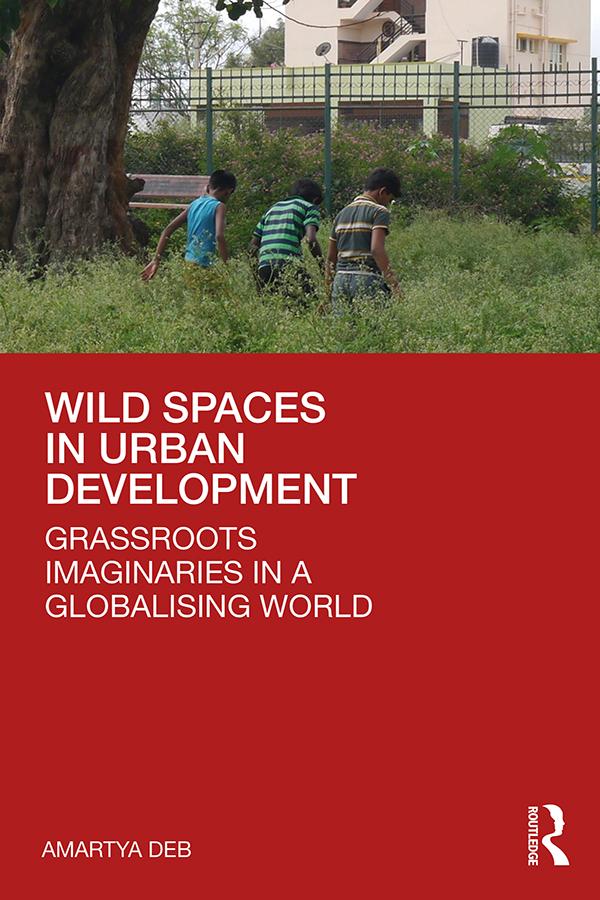
This fascinating book examines how microsites of spontaneous nature can reframe our understanding of the relationship between urban development and green space.
Metropolitan cities are facing stark inequalities of green space distribution, hindering goals of sustainable development. But outside of human control, spontaneous nature grows in spaces that are neglected or are unaccounted for. Drawing on existing literature and primary research in a range of towns and cities, including Quito in Ecuador, Bengaluru and Kolkata in India, and Whitby in the United Kingdom, the book delves into the morphology, meanings, and values of those small-scale assemblages of wild growth which are typically overlooked. Discussing instead how such settings can be integrated into everyday urban life, the book offers a fresh perspective on issues around green infrastructure, heritage conservation, and environmental education, enabling cities worldwide to become more nature-positive.
A unique examination of an under-researched topic, this book will appeal to students, researchers, and professionals across landscape architecture, urban planning, urban ecology, and all related fields.
Betal enkelt med kort, Klarna, Apple Pay eller Google Pay. Ikke fornøyd? Du har alltid 14 dagers angrerett. Les mer i våre vilkår. Har du spørsmål, send oss en e-post på hello@memmo.org.
Memmo gjør det enklere å studere – uansett hvor du er i verden. Hos oss samler du pensumbøker og smarte studieverktøy på ett og samme sted: sammendrag, quizer, podkaster og flashcards. Og så Ted, din studiekompis som svarer på alt du lurer på. Over 50 000 studenter studerer allerede her – bygget for at du skal lære raskere og stresse mindre.