
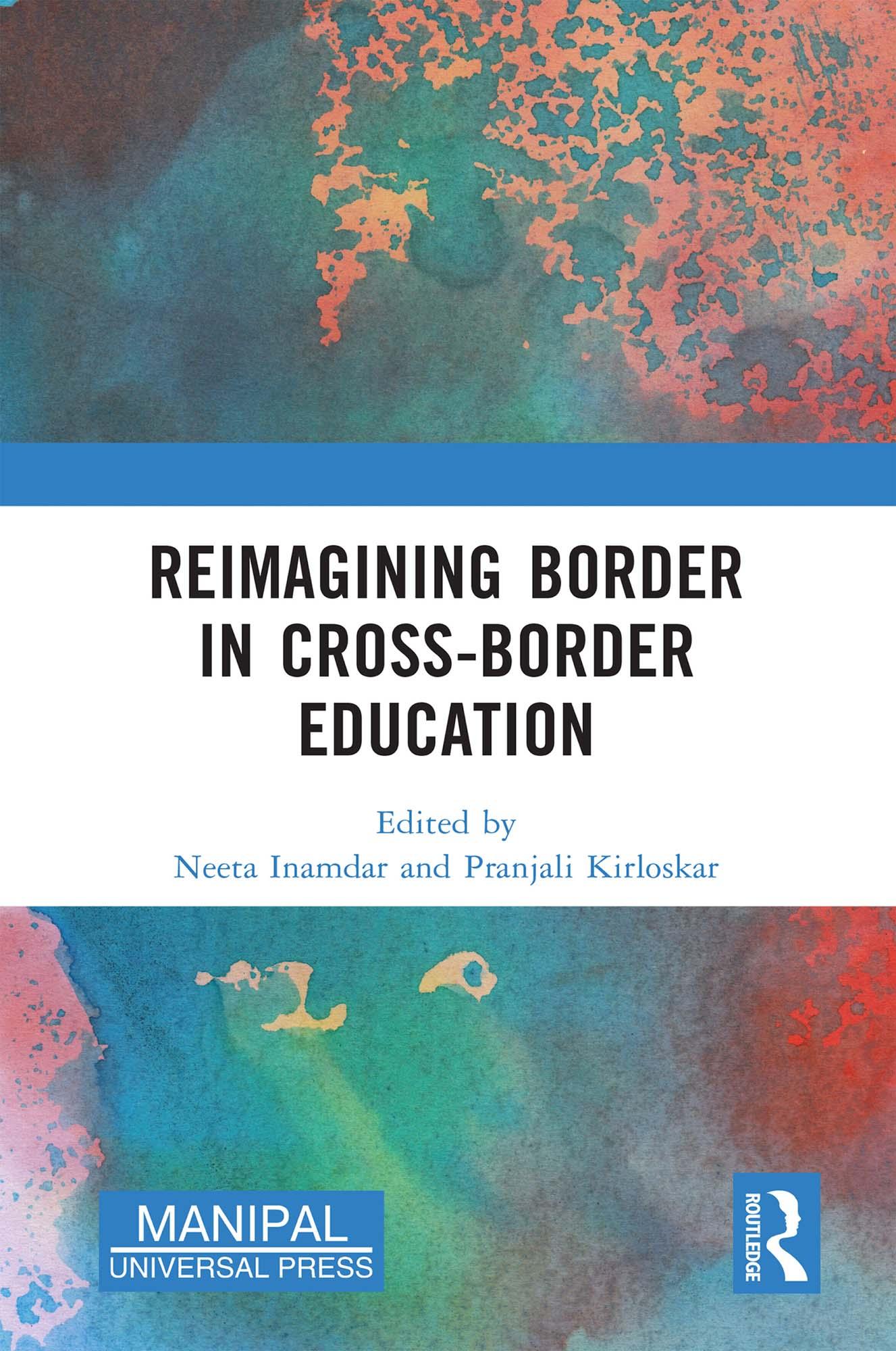
Universities are inherently and definitionally universal in their quest for the creation and dissemination of knowledge. They are set to defy borders that exist in parochial forms. Globalization which opened up borders has by design or default created inequalities and imbalances in knowledge systems. Undoubtedly, knowledge is power but there is difference in the power that is intrinsic to it and the power that is ascribed which is determined by dominant political and economic hierarchies.
If knowledge predominantly flows from global north to global south, people seeking knowledge move from global south to global north. These imbalances are also seen within these regions, between cultures and communities, one claiming superiority over the other. These realities call for a reassessment of not only what constitutes knowledge, but also what encompasses the idea of borders.
This book elaborates on the inclusive role of education that can act as an equalizer or as a catalyst for creating a level playing field across borders.
Print edition not for sale in South Asia (India, Sri Lanka, Nepal, Bangladesh, Pakistan and Bhutan)
Betal enkelt med kort, Klarna, Apple Pay eller Google Pay. Ikke fornøyd? Du har alltid 14 dagers angrerett. Les mer i våre vilkår. Har du spørsmål, send oss en e-post på hello@memmo.org.
Memmo gjør det enklere å studere – uansett hvor du er i verden. Hos oss samler du pensumbøker og smarte studieverktøy på ett og samme sted: sammendrag, quizer, podkaster og flashcards. Og så Ted, din studiekompis som svarer på alt du lurer på. Over 50 000 studenter studerer allerede her – bygget for at du skal lære raskere og stresse mindre.