
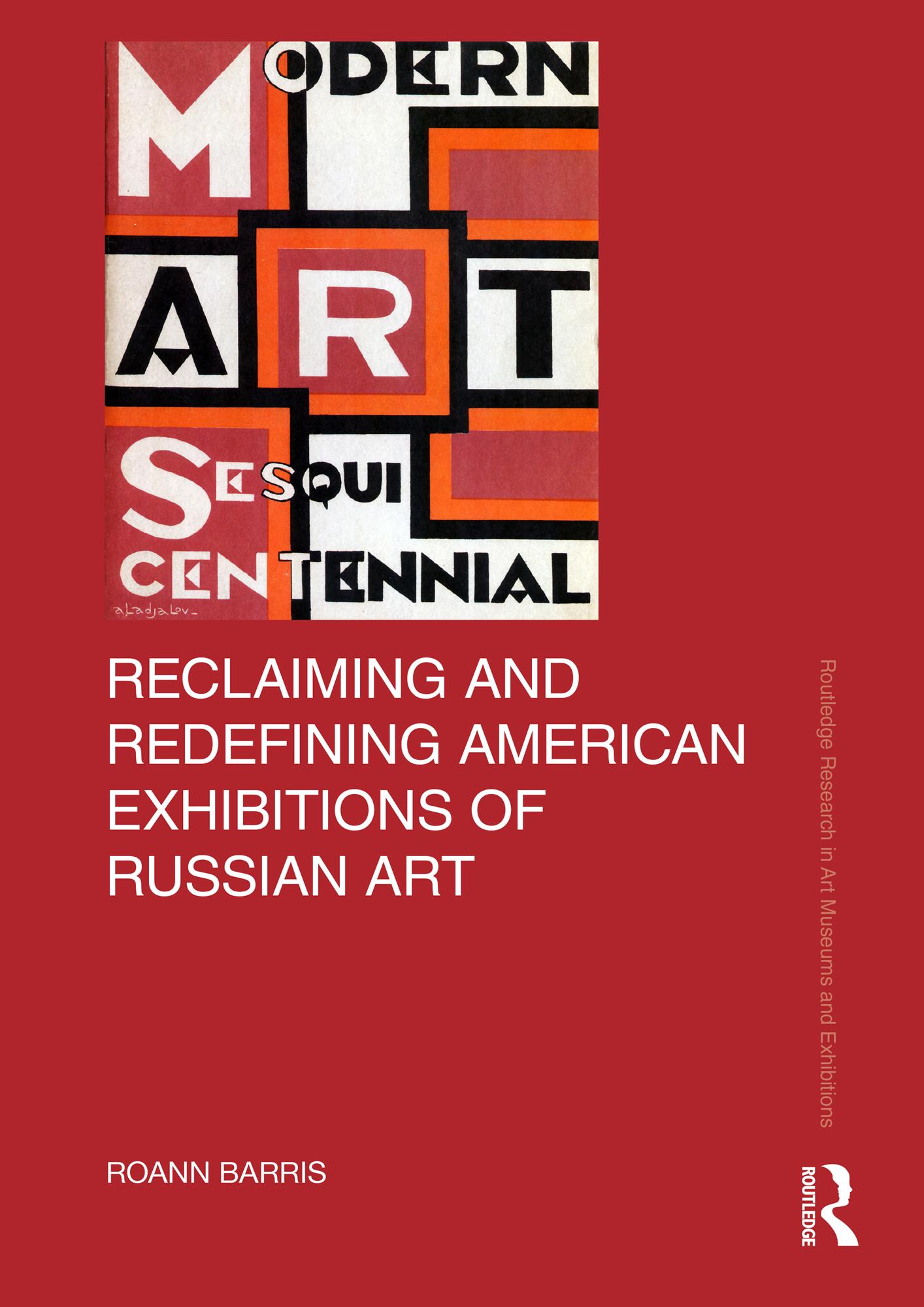
This book examines the history of American exhibitions of Russian art in the twentieth century in the context of the Cold War.
Because this history reflects changes in museological theory and the role of governments in facilitating or preventing intercultural cooperation, it uncovers a story that is far more complex than a chronological listing of exhibition names and art works. Roann Barris considers questions of stylistic appropriations and influences and the role of museum exhibitions in promoting international and artistic exchanges. Barris reveals that Soviet and American exchanges in the world of art were extensive and persistent despite political disagreements before, during, and after the Cold War. It also reveals that these early exhibitions communicated contradictory and historically invalid pictures of the Russian or Soviet avant-garde.
The book will be of interest to scholars working in art history, museum studies, and Russian studies.
Betal enkelt med kort, Klarna, Apple Pay eller Google Pay. Ikke fornøyd? Du har alltid 14 dagers angrerett. Les mer i våre vilkår. Har du spørsmål, send oss en e-post på hello@memmo.org.
Memmo gjør det enklere å studere – uansett hvor du er i verden. Hos oss samler du pensumbøker og smarte studieverktøy på ett og samme sted: sammendrag, quizer, podkaster og flashcards. Og så Ted, din studiekompis som svarer på alt du lurer på. Over 50 000 studenter studerer allerede her – bygget for at du skal lære raskere og stresse mindre.