
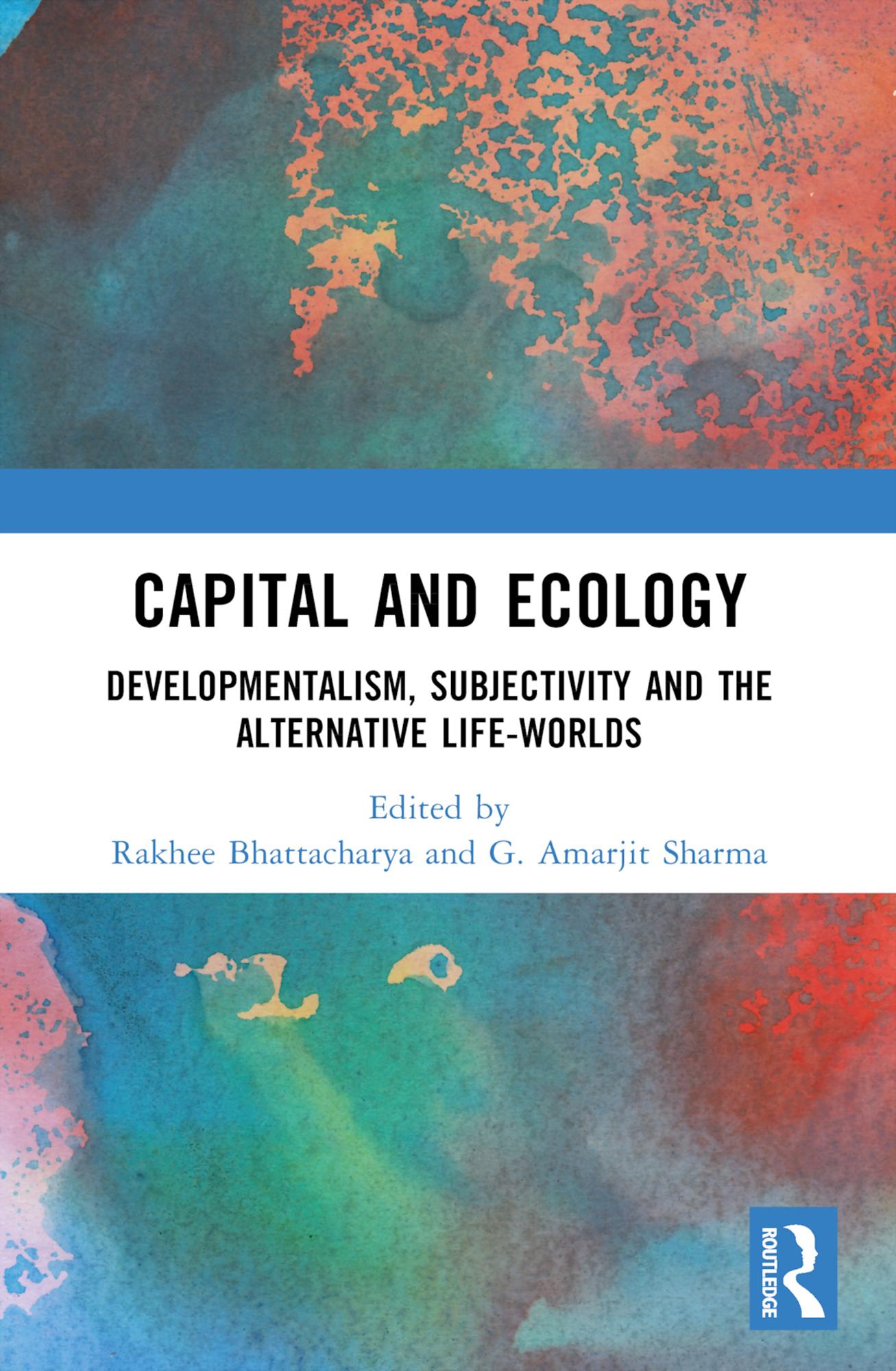
This volume studies the intersection of capital and ecology primarily in one of the most sensitive geographies of the world, the Eastern Himalayan region. It looks at how the region has become a melting ground of neoliberal developmentalism and ecological subjectivities with the penetrating forces of global and state capitalism, economic projects, and complex power relations. The essays in the volume argue that specific focus on energy infrastructure and energy production has pushed technology and capital towards asset building which has had an adverse effect on the environment, labour relations, indigenous knowledge systems, and traditional livelihood practices in the area. They look at assets like mega dams, electricity transmission networks, natural gas grids, infrastructural and developmental projects, and other alternative ventures which require interventions in the natural world and its resource deposits.
Interdisciplinary in approach, the volume adopts a variety of lenses — developmentalism, state strategy, indigenous voices, geopolitics, and environmentalism — to provide a unique and alternative narrative on the various dimensions of the ecological risks and livelihood threats. It will be of great interest to scholars and researchers of politics, development studies, indigenous studies, and Asian studies.
Betal enkelt med kort, Klarna, Apple Pay eller Google Pay. Ikke fornøyd? Du har alltid 14 dagers angrerett. Les mer i våre vilkår. Har du spørsmål, send oss en e-post på hello@memmo.org.
Memmo gjør det enklere å studere – uansett hvor du er i verden. Hos oss samler du pensumbøker og smarte studieverktøy på ett og samme sted: sammendrag, quizer, podkaster og flashcards. Og så Ted, din studiekompis som svarer på alt du lurer på. Over 50 000 studenter studerer allerede her – bygget for at du skal lære raskere og stresse mindre.