
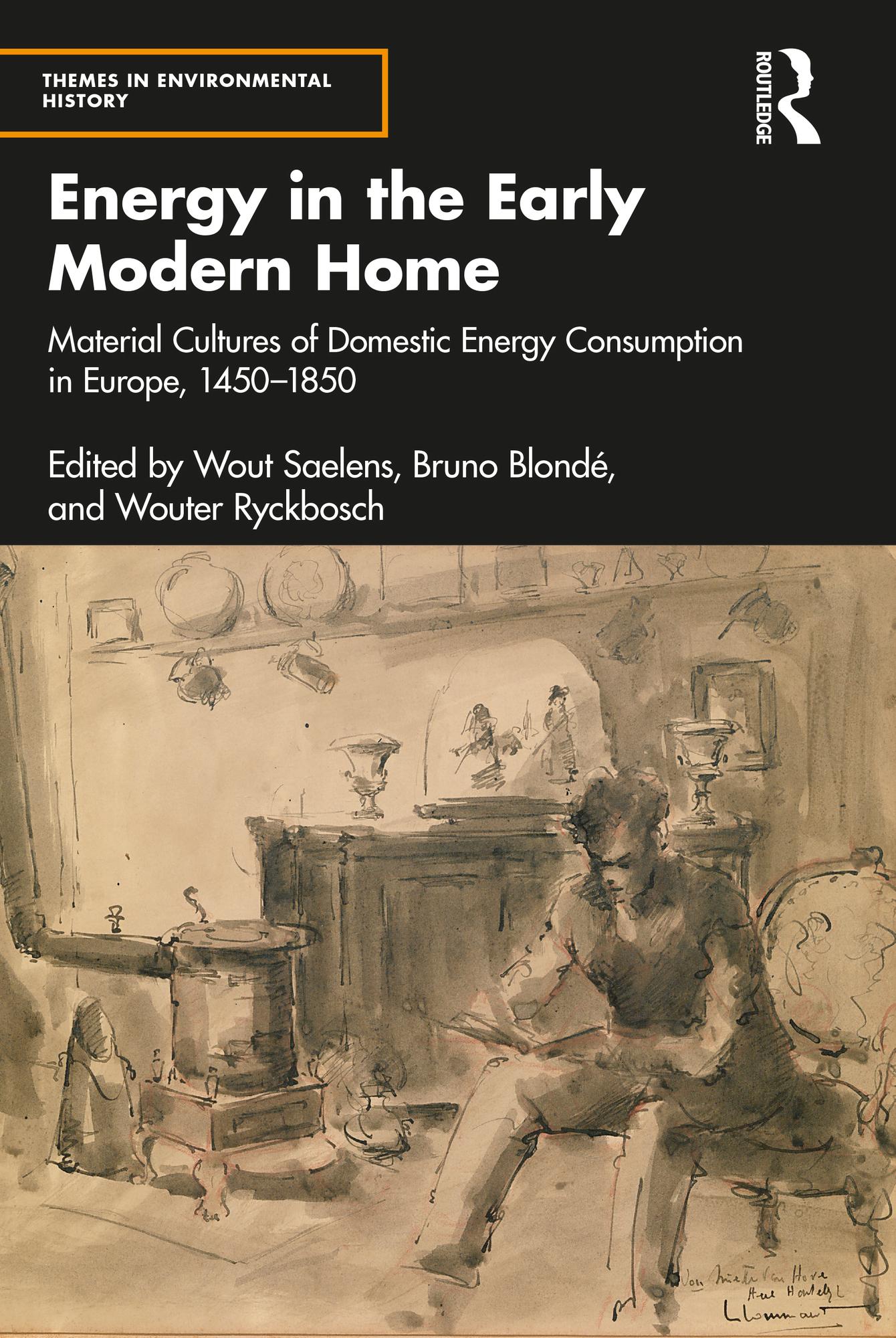
Uncovering, for the first time, the role played by home users in fostering energy changes, this book explores the effects of energy transitions between the medieval and industrial era on the everyday life of Europeans and considers how cultural, social and material changes in the home facilitated the transition towards a more energy-demanding world.
This book delves deeper into the interactions between early modern consumers and the ecological constraints of the world surrounding them. Experts on specific aspects of domestic energy use departing from different case studies in early modern Europe confront these central issues. This book therefore offers a wide range of approaches within a long-term and comparative perspective. Different ‘material cultures of energy’ across time and space and across different climates in Europe are explored.
Ultimately, this book aims to consider how the early modern home not just adapted to energy changes, but perhaps even prepared the way for our modern addiction to fossil energy. Energy in the Early Modern Home is the perfect resource for students and scholars of early modern Europe, premodern environmental history, the history of consumption and material culture, and the history of science and technology.
Betal enkelt med kort, Klarna, Apple Pay eller Google Pay. Ikke fornøyd? Du har alltid 14 dagers angrerett. Les mer i våre vilkår. Har du spørsmål, send oss en e-post på hello@memmo.org.
Memmo gjør det enklere å studere – uansett hvor du er i verden. Hos oss samler du pensumbøker og smarte studieverktøy på ett og samme sted: sammendrag, quizer, podkaster og flashcards. Og så Ted, din studiekompis som svarer på alt du lurer på. Over 50 000 studenter studerer allerede her – bygget for at du skal lære raskere og stresse mindre.