
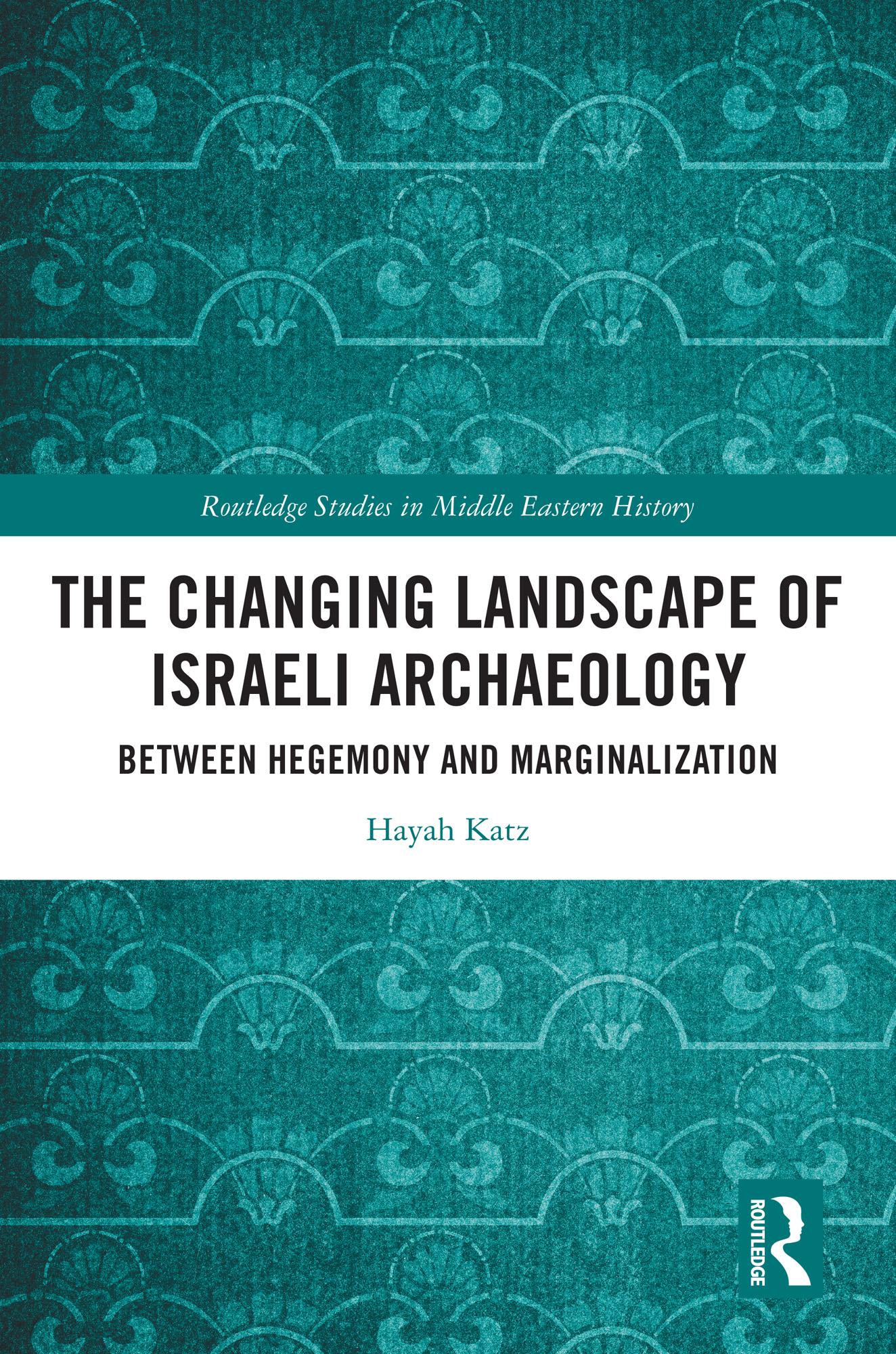
Focused on the connections between archaeology and Israeli society, this book examines the development of Israeli archaeological research, taking historical, sociological, and political contexts into account.
Adopting a Foucauldian framework of power and knowledge, the author begins by focusing on archaeological knowledge as a hegemonic discipline, buttressing the national Zionist identity after the establishment of the State of Israel. The liberalization of political culture in the late 1970s, it is argued, opened the door for a more democratized archaeological discipline. Making use of in-depth interviews with archaeologists belonging to various groups in Israeli society as well as documents from the Israel State Archives (ISA), the book touches on multiple fields of research, including Near Eastern archaeology, religious Jewish society, Israel/Palestine relations, and the status of women in Israel. Moreover, although the book deals with the sociology of Israeli archaeology specifically, the author’s comparative approach—which highlights the mirroring of social processes and the archaeological discipline—can also be applied to other societies.
The book will be of interest to researchers and students in the fields of archaeology, sociology, and Israel Studies, as well as to readers with a general interest in the archaeology of the Holy Land.
Betal enkelt med kort, Klarna, Apple Pay eller Google Pay. Ikke fornøyd? Du har alltid 14 dagers angrerett. Les mer i våre vilkår. Har du spørsmål, send oss en e-post på hello@memmo.org.
Memmo gjør det enklere å studere – uansett hvor du er i verden. Hos oss samler du pensumbøker og smarte studieverktøy på ett og samme sted: sammendrag, quizer, podkaster og flashcards. Og så Ted, din studiekompis som svarer på alt du lurer på. Over 50 000 studenter studerer allerede her – bygget for at du skal lære raskere og stresse mindre.