
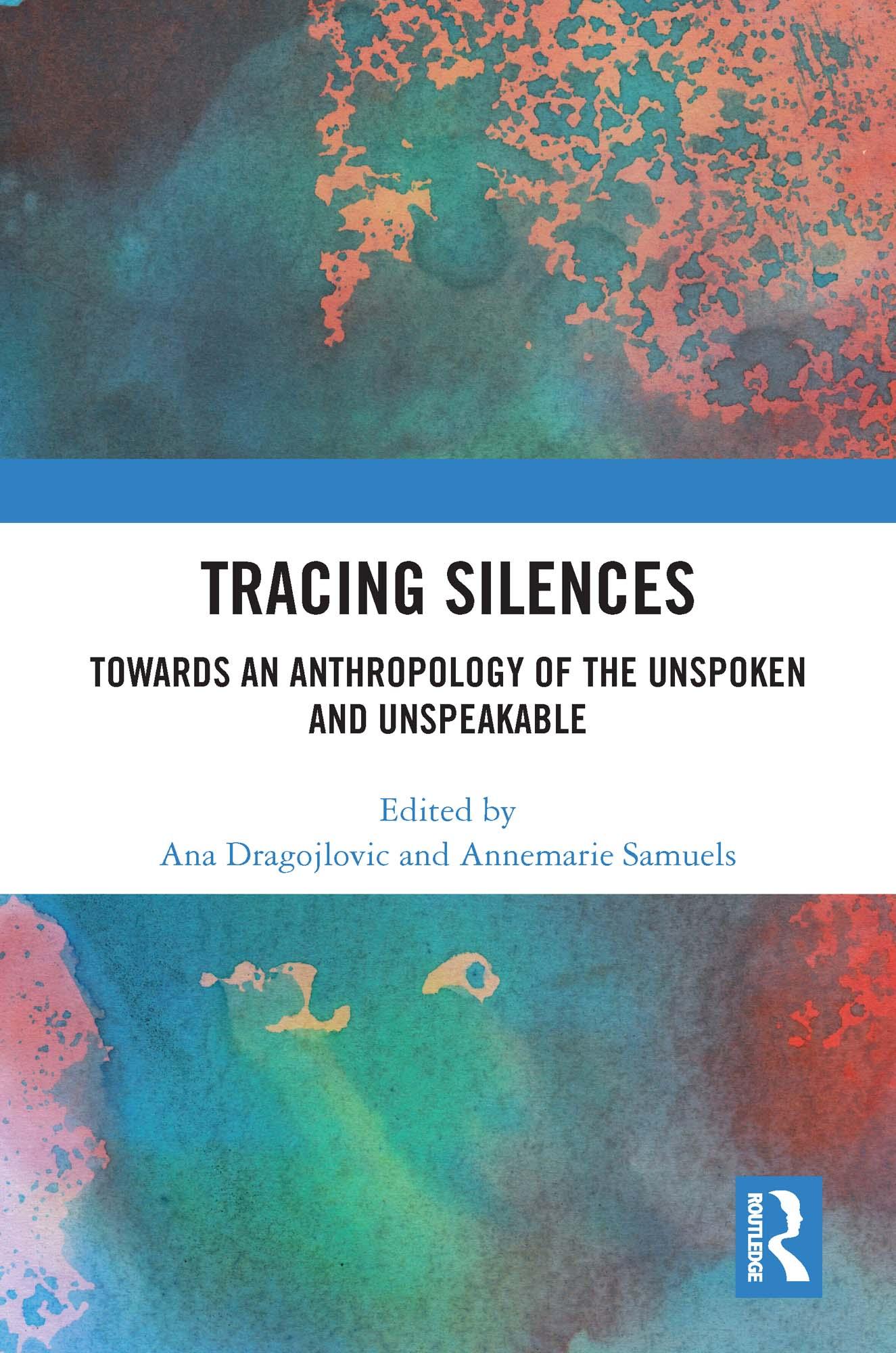
Silence is crucial to our social world. Responding to the growing scholarly interest in social sciences and humanities for more in-depth engagements with social silence, this book explores what it means to trace silences and to include traces of silences in our scholarly representations.
What qualifies as silence, and how does it relate to articulation, to voice, visibility and representation? How can silences be sensed and experienced viscerally as well as narratively? And how do we think with and interpret silences in the face of potential unknowability? Grounded in ethnographic research in the Netherlands, Israel, Turkey, China, and Indonesia, the chapters all contribute to a theorization of silence that embraces multivocality, unintelligibility and uncertainty of interpretation. As a collection of cutting-edge scholarly work at the intersection of anthropology and history, Tracing Silences argues for an in-depth engagement with the unspeakable and unspoken, through a range of modes and methods, and in the historical, social, and political ways in which they emerge and are enacted in the particularities of people’s lives.
This book will be of interest to scholars and students of history, anthropology, sociology, political science and archival studies. The chapters in this book were originally published as a special issue of History and Anthropology.
Betal enkelt med kort, Klarna, Apple Pay eller Google Pay. Ikke fornøyd? Du har alltid 14 dagers angrerett. Les mer i våre vilkår. Har du spørsmål, send oss en e-post på hello@memmo.org.
Memmo gjør det enklere å studere – uansett hvor du er i verden. Hos oss samler du pensumbøker og smarte studieverktøy på ett og samme sted: sammendrag, quizer, podkaster og flashcards. Og så Ted, din studiekompis som svarer på alt du lurer på. Over 50 000 studenter studerer allerede her – bygget for at du skal lære raskere og stresse mindre.