
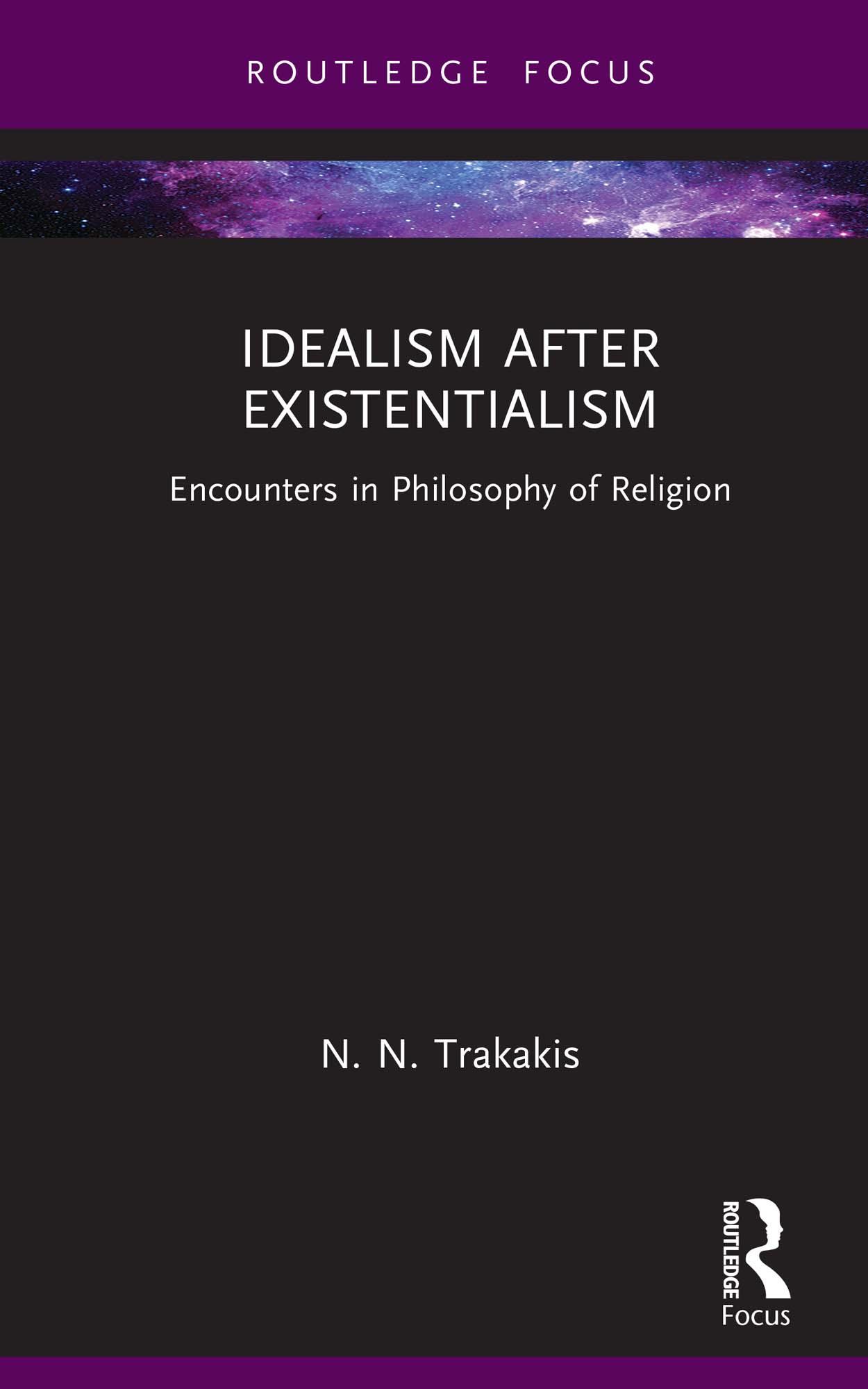
A century ago the dominant philosophical outlook was not some form of materialism or naturalism, but idealism. However, this way of thinking about reality fell out of favour in the Anglo-American analytic tradition as well as the Continental schools of the twentieth century.
The aim of this book is to restage and reassess the encounter between idealism and contemporary philosophy. The idealist side will be represented by the great figures of the 19th-century post-Kantian tradition in Germany, from Fichte and Schelling to Hegel, followed by the towering Hegelians in Britain led by T. H. Green, F. H. Bradley and Bernard Bosanquet. Their twentieth-century adversaries will be represented by the secular existentialists, especially the famous French trio of Sartre, Beauvoir and Camus, who sought to follow Nietzsche in philosophizing in light of the death of God. And the arena of encounter will be the philosophy of religion—more specifically, questions relating to the nature and existence of God, death and the meaning of life, and the problem of evil. The book argues that the existentialist critique of idealism enables an innovative as well as a more critical and adventurous approach that is sorely needed in philosophy of religion today.
Idealism after Existentialism will be of interest to scholars and advanced students working in the history of ninteenth- and twentieth-century philosophy and philosophy of religion.
Betal enkelt med kort, Klarna, Apple Pay eller Google Pay. Ikke fornøyd? Du har alltid 14 dagers angrerett. Les mer i våre vilkår. Har du spørsmål, send oss en e-post på hello@memmo.org.
Memmo gjør det enklere å studere – uansett hvor du er i verden. Hos oss samler du pensumbøker og smarte studieverktøy på ett og samme sted: sammendrag, quizer, podkaster og flashcards. Og så Ted, din studiekompis som svarer på alt du lurer på. Over 50 000 studenter studerer allerede her – bygget for at du skal lære raskere og stresse mindre.