
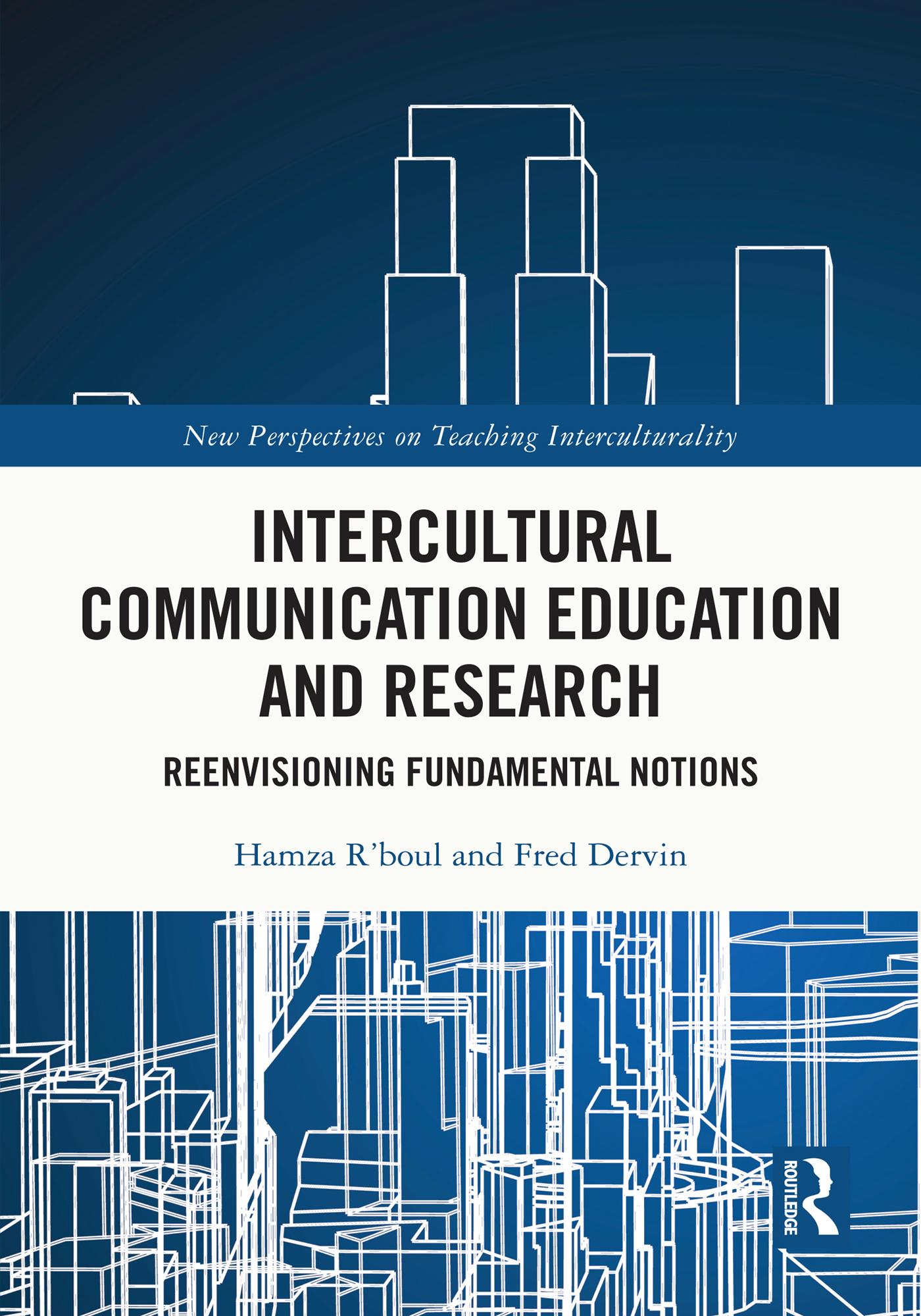
Seeking to uncover underlying epistemic invisibilities in generating intercultural communication education and research knowledge and to open up space for envisaging interculturality alternatively, this book reexamines and problematizes the assumptions and ontologies in the conceptual systems of interculturality.
In enunciating and critiquing what has been largely endorsed, normalized and taken for granted, this volume brings to the fore different, changing and situated understandings of intercultural ontologies and epistemologies in terms of premises, workings and objectives, unveiling the entangled factors and contexts that have delimited and circumscribed the realm. The authors believe that the field would benefit from some cognitive and sensory dissonance while reengaging effectively with notions to move forward. In particular, they endeavour to de-monumentalize and disrupt the very conceptual tenets that may have rendered interculturality myopic, repetitive, monolithic and aseptic in expanding the epistemic concerns of the “intercultural”, especially in the English language.
This book will be an essential read for scholars and students of the sociology of education, educational philosophy and intercultural education and also for all readers interested in the broad field of interculturality.
Betal enkelt med kort, Klarna, Apple Pay eller Google Pay. Ikke fornøyd? Du har alltid 14 dagers angrerett. Les mer i våre vilkår. Har du spørsmål, send oss en e-post på hello@memmo.org.
Memmo gjør det enklere å studere – uansett hvor du er i verden. Hos oss samler du pensumbøker og smarte studieverktøy på ett og samme sted: sammendrag, quizer, podkaster og flashcards. Og så Ted, din studiekompis som svarer på alt du lurer på. Over 50 000 studenter studerer allerede her – bygget for at du skal lære raskere og stresse mindre.