
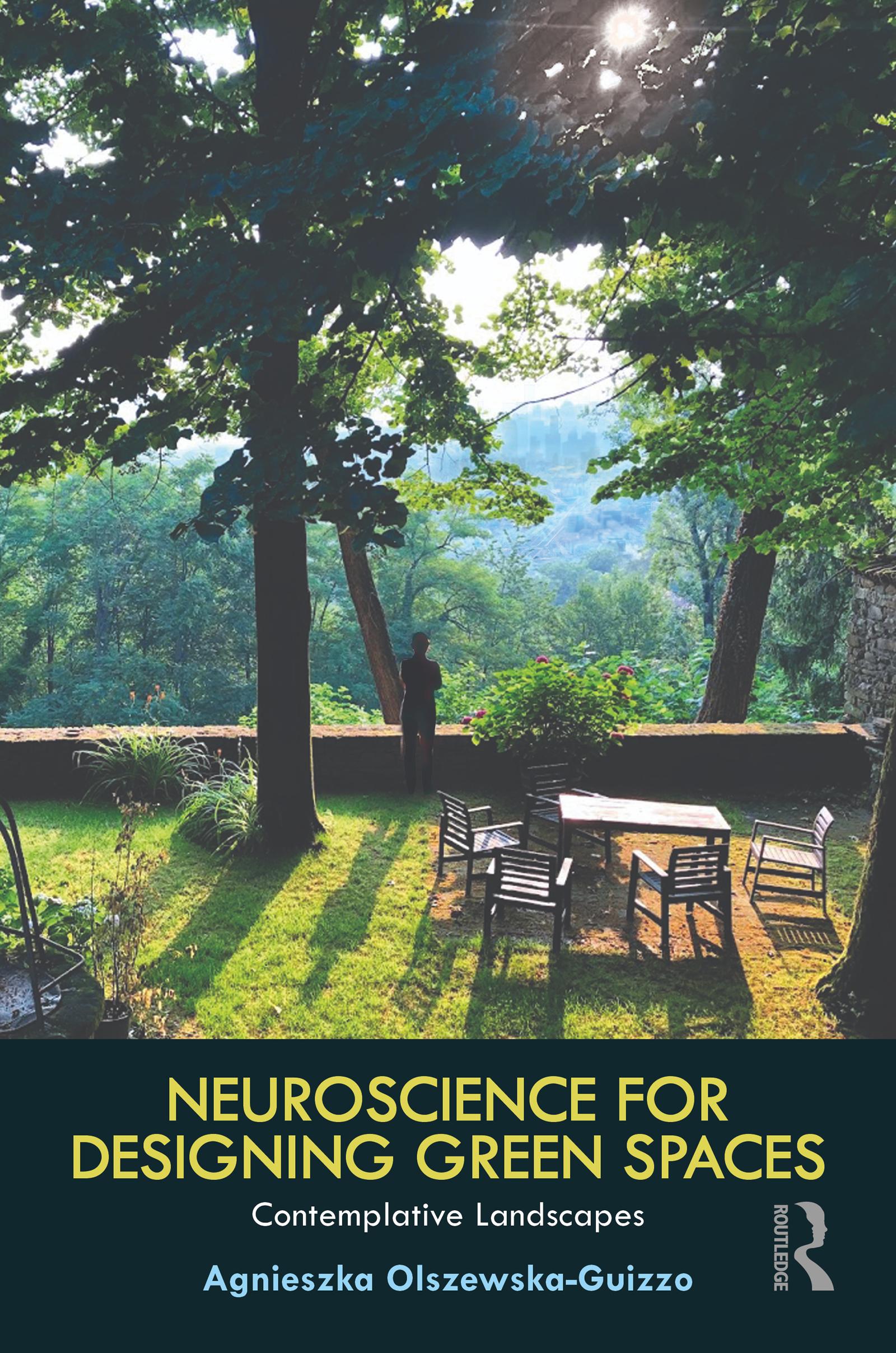
Urban parks and gardens are where people go to reconnect with nature and destress. But do they all provide the same benefits or are some better than others? What specific attributes set some green spaces apart? Can we objectively measure their impact on mental health and well-being? If so, how do we use this evidence to guide the design of mentally healthy cities?
The Contemplative Landscape Model unveils the path to answer these questions. Rooted in landscape architecture and neuroscience, this innovative concept is described for the first time in an extended format, offering a deep dive into contemplative design and the science behind it. In the face of the global mental health crisis, and increasing disconnection from nature, design strategies for creating healthier urban environments are what our cities so sorely need.
This book delves into the neuroscience behind contemplative landscapes, their key spatial characteristics, and practical applications of the Contemplative Landscape Model through case studies from around the world. Landscape architects, urban planners, students, land managers, and anyone interested in unlocking the healing power of landscapes will find inspiration here.
Betal enkelt med kort, Klarna, Apple Pay eller Google Pay. Ikke fornøyd? Du har alltid 14 dagers angrerett. Les mer i våre vilkår. Har du spørsmål, send oss en e-post på hello@memmo.org.
Memmo gjør det enklere å studere – uansett hvor du er i verden. Hos oss samler du pensumbøker og smarte studieverktøy på ett og samme sted: sammendrag, quizer, podkaster og flashcards. Og så Ted, din studiekompis som svarer på alt du lurer på. Over 50 000 studenter studerer allerede her – bygget for at du skal lære raskere og stresse mindre.