
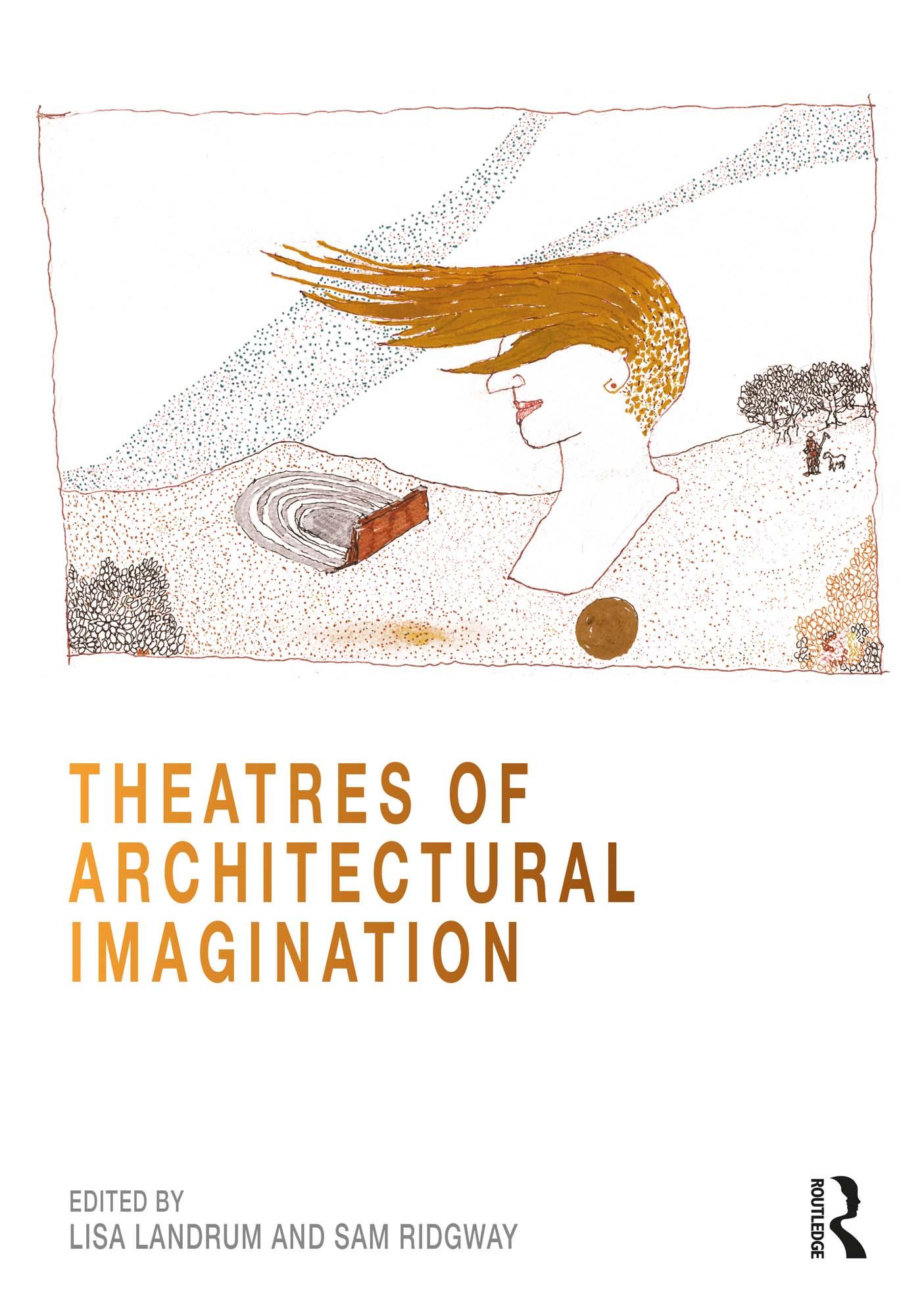
This volume explores connections between architecture and theatre, and encourages imagination in the design of buildings and social spaces.
Imagination is arguably the architect’s most crucial capacity, underpinning memory, invention, and compassion. No simple power of the mind, architectural imagination is deeply embodied, social, and situational. Its performative potential and holistic scope may be best understood through the model of theatre. Theatres of Architectural Imagination examines the fertile relationship between theatre and architecture with essays, interviews and entr’actes arranged in three sections: Bodies, Settings, and (Inter)Actions. Contributions explore a global spectrum of examples and contexts, from ancient Rome and Renaissance Italy to modern Europe, North America, India, Iran, and Japan. Topics include the central role of the human body in design; the city as a place of political drama, protest, and phenomenal play; and world-making through language, gesture, and myth. Chapters also consider sacred and magical functions of theatre in Balinese and Persian settings; eccentric experiments at the Bauhaus and 1970 Osaka World Expo; and ecological action and collective healing amid contemporary climate chaos. Inspired by architect and educator Marco Frascari, the book performs as a Janus-like memory theatre, recalling and projecting the architect’s perennial task of reimagining a more meaningful world.
This collection will delight and provoke thinkers and makers in theatrical arts and built environment disciplines, especially architecture, landscape, and urban design.
Betal enkelt med kort, Klarna, Apple Pay eller Google Pay. Ikke fornøyd? Du har alltid 14 dagers angrerett. Les mer i våre vilkår. Har du spørsmål, send oss en e-post på hello@memmo.org.
Memmo gjør det enklere å studere – uansett hvor du er i verden. Hos oss samler du pensumbøker og smarte studieverktøy på ett og samme sted: sammendrag, quizer, podkaster og flashcards. Og så Ted, din studiekompis som svarer på alt du lurer på. Over 50 000 studenter studerer allerede her – bygget for at du skal lære raskere og stresse mindre.